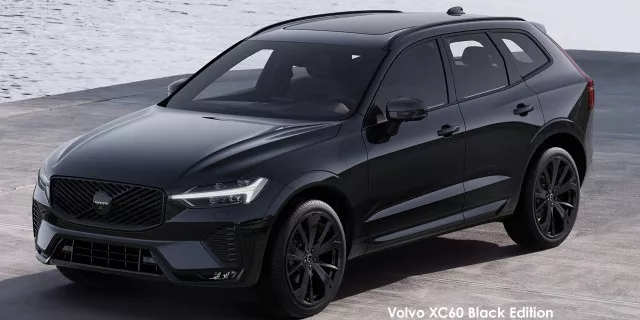
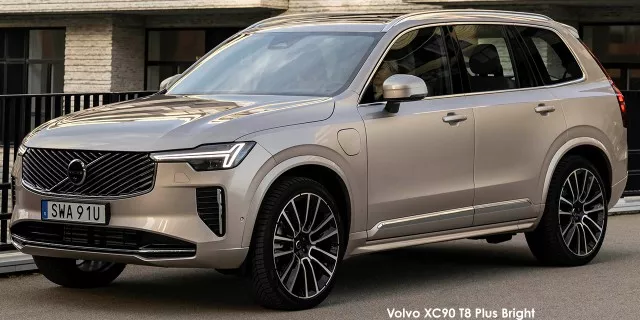
Volvo Car Chief Executive Officer Hakan Samuelsson said the European Union should bring down its tariffs on US car imports as Brussels works toward a trade agreement with Washington.
“We should look into a system where Europe also brings down the rest of import tariffs from US to Europe,” Samuelsson said in an interview Thursday.
The 10% levies Brussels has been slapping on American cars while the US duties used to be much lower “was really the starting point of this discussion.”
Controlled by China’s Zhejiang Geely Holding Group, Volvo is one of the more tariff-exposed car brands. Duties and past development delays have weighed on profitability and sales of its battery-powered models, the EX90 sport utility vehicle and ES90 sedan.
On Wednesday, the company announced plans to start producing its best-selling XC60 at its US plant, a sport utility vehicle previously imported from Sweden.
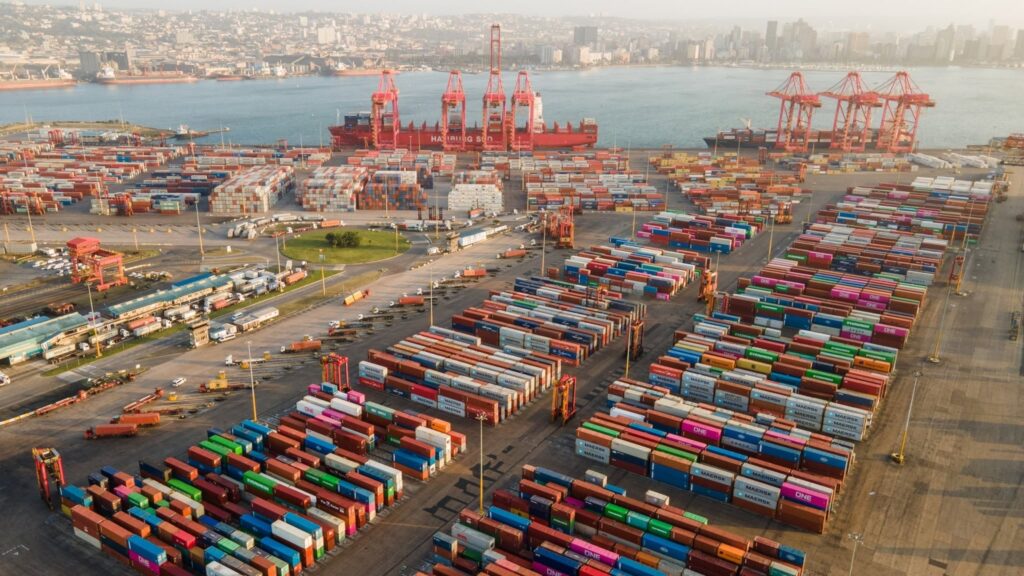
Talks between the US and EU have continued despite Trump threatening in a recent letter to impose a 30% tariff on most of the bloc’s exports starting next month, alongside Trump’s existing 25% duties on cars and car parts, and 50% levies on steel and aluminum.
Earlier Thursday, the carmaker posted a 10 billion Swedish kronor (R18.47 billion) operating loss in the second quarter, hit by a previously announced impairment charge over model delays and the escalating cost of tariffs.
Bernstein analysts led by Harry Martin said the figures were “better than feared,” adding that Volvo sold more emissions credits in the second quarter than it did the entire last year.
Still, the company’s retail sales declined 12% in the period, to 181,600 units, with Samuelsson citing rising competition on electric vehicles.
The company is cutting 18 billion kronor in costs to bolster its margin and vowed that the program is on track.
Samuelsson was brought back in April by owner Li Shufu to turn around the company by aligning it more closely with the Geely group.
The duties are also affecting some of Sweden’s other industrial manufacturers.
Volvo AB, the truckmaker that is a separate company, on Thursday flagged a stabilization in demand in Europe but warned that weak demand is persisting in North America, where it said customers remained in wait-and-see mode following President Donald Trump’s trade moves.
Tariff measures have led to lower transport volumes at some logistics firms, pushing some to halt investment in new vehicles.
Still, there are signs of stabilization in Europe where industry is getting a boost from higher defense spending. Data earlier this week showed industrial output in the 20-nation euro region rose 1.7% from the previous month in June, beating analyst estimates.




 Loading ...
-facelift-2-2025.10.webp)
-2025.11.webp)