


South Africa is the fourth-worst country to drive in due to its high road deaths, poor quality roads, higher-than-average speed limits, and high levels of congestion.
This is according to UK-based Compare the Market, which is owned by BGL Group and which conducted a data-led analysis of road safety, traffic conditions and driving environments across 56 global locations to compile its ranking.
Based on this data, South Africa ranked as the fourth worst, with an average score of 48.85, primarily driven by its 17.9 road deaths per 100,000 people and inadequate overall road traffic management and road safety.
This score therefore emphasises the need for South African drivers to make every effort to stay safe while driving.
Defensive driving is an umbrella term for dos and don’ts on the road that drivers should follow to reduce the chances of causing or being involved in accidents.
Defensive driving tips
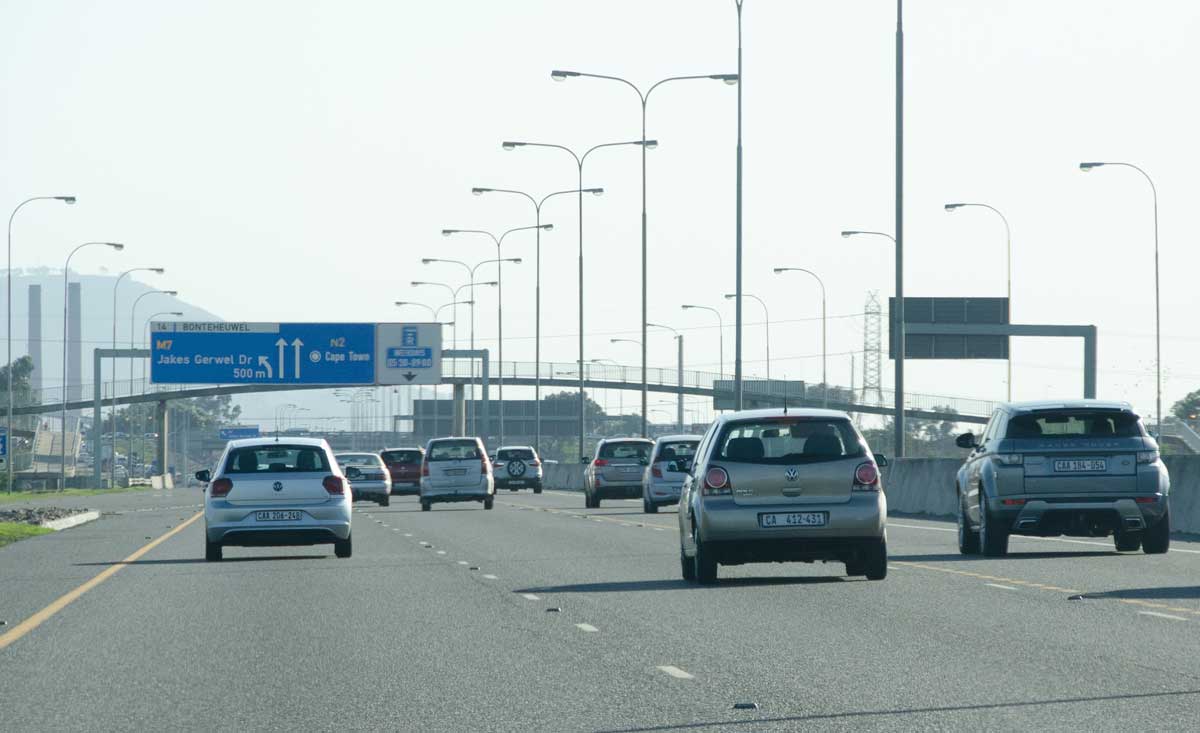
Defensive driving isn’t just important for your own safety but also helps keep others on the road safe, a sentiment many on South Africa’s roads rarely give credence to.
Below is a list of the most notable defensive driving tips South Africans should embrace.
- Actively check mirrors, the road head, and search for hazards to anticipate problems before they happen.
- Follow the flow of traffic while keeping within the speed limit; driving too slowly is just as dangerous as driving too fast.
- Keep an eye on other drivers to allow for better reaction time, such as by looking at tyres at intersections, which could indicate an illegal turn.
- Never assume other drivers will be responsible in terms of alertness, rule-following, or sobriety.
- Approach intersections cautiously regardless of whether the light is green, red, or orange.
- Assume other drivers may run red lights, stop signs, or veer into your lane.
- Do not try to enforce the rules of the road on other drivers by contesting right of way, such as by deliberately driving very slowly to make your point to the driver behind you.
These guidelines should become habitual to most drivers over time and will reduce the chances of becoming a victim of an accident.
Besides these tips, another key issue many South Africans face is road rage, which, while justified in many cases, is never beneficial for one’s own safety.
Road rage
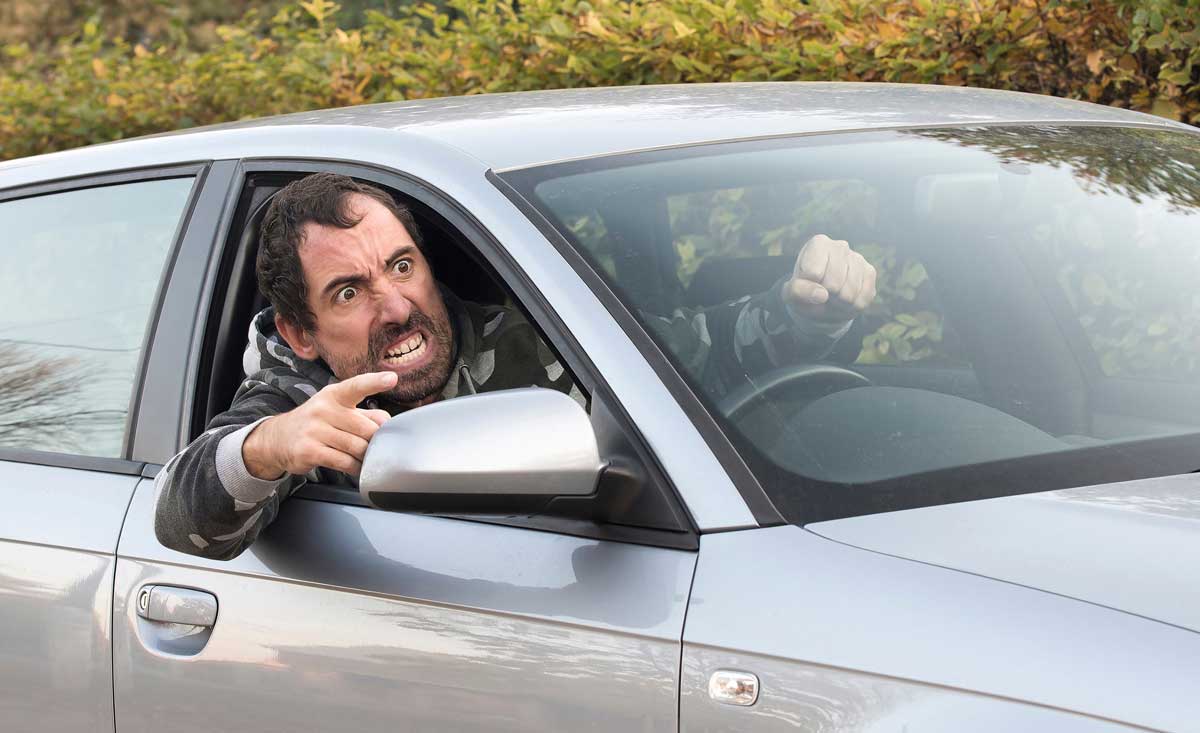
It’s best to resist getting drawn into instances of road rage and maintain a passive stance with other drivers, even if they’re flagrantly breaking the rules of the road and being inconsiderate towards you.
That means resisting the urge to make gestures at other drivers, pulling up beside them and rolling down the window to say something, or any other inflammatory action.
Doing so runs the risk of antagonising the other driver, who may be even more inclined towards road rage, resulting in a confrontation that can endanger both parties.
Therefore, when dealing with inconsiderate drivers, remain calm and don’t escalate the situation.
Below are a few examples of appropriate responses to other drivers’ actions that may annoy you.
- Tailgating – Tap the brakes very lightly to let the driver know they are too close. If this doesn’t work, slow down very gradually, and they will generally overtake.
- Speeding – Should a car be speeding or aggressively changing lanes behind you, stay in your lane and maintain speed. If in the fast lane, move out of the way and, if needed, make enough room to allow the speedster to overtake safely.
- Evasive measures – If you observe another driver behaving recklessly, swerving between lanes, breaking erratically, and so on, try to put distance between yourself and them.
While a passive approach may not feel as satisfying as responding aggressively to other drivers breaking the law, it’s better to remain passive and arrive safely at your destination.




 Loading ...

-facelift-2-2025.10.webp)

