There are over 500,000 unroadworthy vehicles in South Africa


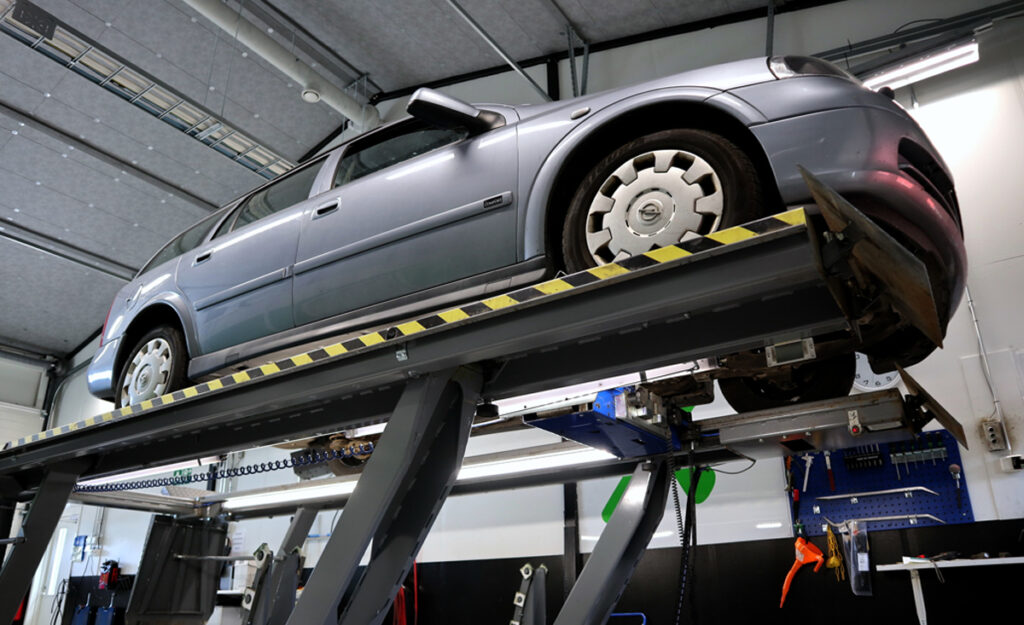
The Road Traffic Management Corporation says there are 527,008 unroadworthy vehicles in South Africa.
This is an improvement from 2024 – when the number was 604,881.
Gauteng drivers are by far the biggest culprits, with 255,455 unroadworthy vehicles in the province.
The Western Cape is in second place with 75,369, while KwaZulu-Natal comes in at third place with 70,201.
- Gauteng – 255,455
- Western Cape – 75,369
- KwaZulu Natal – 70,201
- Mpumalanga – 37,396
- Free State – 35,319
- Eastern Cape – 34,526
- North West – 28,361
- Limpopo – 24,955
- Northern Cape – 10,426
The Road Traffic Management Corporation said these unroadworthy vehicles include passenger vehicles as well as commercial vehicles like buses and taxis.
Commercial vehicles that weigh over 3,500kg – including taxis – must undergo annual roadworthy tests, while buses must be tested every 6 months.
Failing to do these tests renders these commercial vehicles to be considered unroadworthy.
Passenger vehicles only need to go through a roadworthy test when their ownership changes.
Crackdown
The Road Traffic Management Corporation said its traffic officers will show no remorse to motorists driving unroadworthy vehicles this festive season.
In a statement published on 8 December 2025, the organisation said its officers had stopped and checked 229,612 vehicles in roadblocks conducted throughout the country in the preceding six days.
“Motorists are advised to fix their vehicles and ensure that they have no defects before embarking on long-distance journeys,” said the Road Traffic Management Corporation.
“Traffic authorities have been instructed to show no mercy to anyone caught driving an unroadworthy vehicle. Drivers will be arrested and vehicles impounded.”
Vehicle testing problems
Earlier this year, South Africa’s vehicle testing sector was investigated by the Organisation Undoing Tax Abuse (Outa), which found extensive corruption in the industry.
In several cases, roadworthy certificates were given to vehicle owners and fleet operators without the vehicle being physically inspected.
Furthermore, many vehicles were found to fail roadworthy inspections in one province, only to be issued with a certificate from a registered testing station in another province.
This would sometimes take as little as 30 minutes.
“From what we uncovered, it is clear that these vehicles never left Gauteng for a physical inspection in another province, but that roadworthy certificates were nevertheless issued,” said Rudie Heyneke, Senior Project Manager at Outa.
“This is fraud.”
Key provinces to be implicated included Gauteng, Limpopo, and the North West provinces.
The Vehicle Testing Association (VTA) said similar issues have been observed in the Western Cape.
“We have experienced instances where a vehicle is placed on the inspection pit, only for the driver to receive a call from the owner instructing them to stop the test because they have already obtained a certificate from another province,” said VTA Chairperson, Ferose Oaten.
“Fraudulent certifications endanger lives and must be eradicated to ensure that only roadworthy vehicles are on our roads.”
“As the VTA, we support Outa’s call for further investigation and appeal to all statutory roadworthy testing agents to uphold the law and operate with integrity,” said Oaten.





 Loading ...
-facelift-2-2025.10.webp)
-2025.11.webp)