South Africa’s crumbling roads are driving away tourists


There is no doubt that South Africa is a leading international travel destination, as millions of international travellers made their way to and through the country over the latest festive season.
The Kruger National Park and Cape Town offer two popular choices for international travel, but the rest of the country’s travel destinations remain largely untouched by international visitors.
Brett Tungay, the national chair on the board of the Federated Hospitality Association of South Africa (Fedhasa), told the SABC that the state of the country’s roads is to blame.
He explained that the hospitality industry currently employs around one in eleven people in South Africa, and that the sector has untapped potential.
“It is a sector with huge potential to drive economic change in our country, which is definitely needed when looking at our unemployment numbers. We need to drive tourism,” he said.
In terms of the international travel numbers, Tungay said there is a clear trend regarding the preferred destinations for tourism.
“We have seen a polarisation in international tourism numbers into South Africa, where we’ve now got this duopoly between the Kruger and Cape Region, where most of the foreign numbers are going to,” he said.
This observed duopoly is costing other provinces and their tourism numbers.
He explained that decreased international tourist numbers have been recorded in previously popular destinations, including KwaZulu-Natal, the Free State, and even Gauteng, which he says needs to be addressed.
“In terms of domestic spend, KwaZulu-Natal is still leading as a tourism destination, but Cape Town is starting to take large chunks of that,” noted Tungay.
“What we need to work on as an industry over the next few years is that we need to ‘spread the love’.”
This, he explained, entails getting tourists to travel broadly throughout the country again.
“We are not seeing the spread of that foreign income broadly around the country, and that’s what we definitely need to address,” he said.
Inaccessible destinations
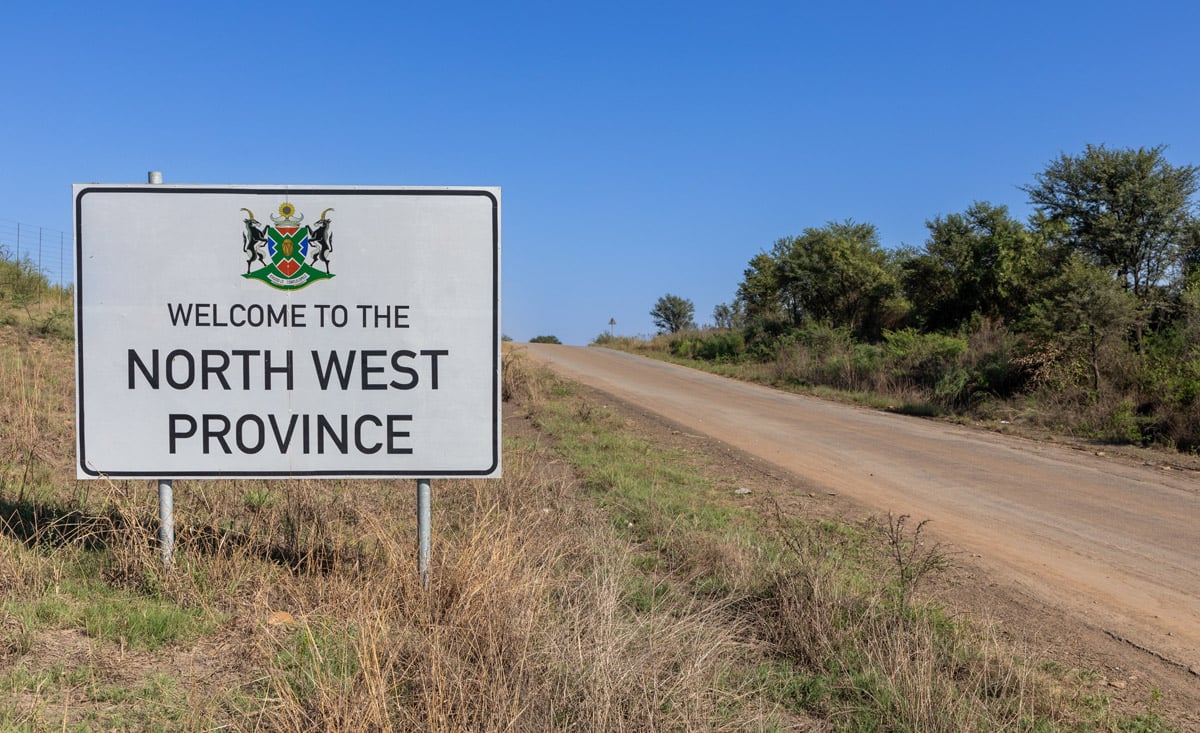
Tungay pointed out that a major obstacle in the South African tourism industry is the country’s crumbling infrastructure.
“If you go to northern KwaZulu-Natal, the roads are a problem, Free State rural areas, and Mpumalanga as well. We need to get the government to start addressing these,” he said.
According to Tungay, a large portion of the lost foreign market consists of the self-drive market, the camper home market, and the bus tours market.
He explained that many tour operators are no longer willing to send bus tours or self-drive tourists onto the country’s roads as a result of the poor conditions, even though this can be easily addressed.
Tungay noted that South Africa is competing with other major international travel destinations, including other popular choices in Africa and Southeast Asia.
He said that tourists from first-world markets are going to choose their holiday destination based on “ease of travel”, which South Africa does not currently offer.
European and American travellers would prefer to travel to destinations where infrastructure issues won’t potentially hamper their holiday.
Apart from the state of roads, Tungay said marketing local tourism has also been an obstacle, adding that experiences in lesser-known travel destinations need to be advertised better.
“There are so many amazing experiences outside of just the Kruger and Cape Town, that we need to start marketing to the broader community,” he noted.
Tungay believes that the tourism sector could be the second-biggest contributor to the local economy, and could welcome three times the number of travellers, given the right marketing strategies.
“If we can just get one per cent of the Chinese market, it would be a game changer for South Africa, and the same for the Indian market,” he noted.




 Loading ...