Warning for motorists with impounded vehicles in South Africa


The Tshwane Metro Police Department (TMPD) has warned the city’s motorists of its upcoming crushing deadline for vehicles impounded between 2001 and 2024.
The City of Tshwane will be crushing vehicles, trailers, caravans, and motorcycles not claimed by 28 February 2026 in an attempt to recover both storage space and municipal expenses.
It may be on the same day that the city will auction 800 outdated fleet vehicles for the same reasons.
Therefore, the TMPD Pound Unit has urged the owners or title holders of the impounded vehicles to report to the department’s impound yard at 1 Madiba Street, Pretoria, with the necessary documentation.
Owners and title holders will need to present a registration certificate and a valid identity document to claim their vehicle, as well as pay outstanding impoundment and storage costs.
The TMPD stressed that all applicable fees must be settled before any vehicle can be released.
It added that municipal legislation permits the City of Tshwane to dispose of any vehicle that remains unclaimed following the issuance of several notices, provided that the legal holding period of 120 days has lapsed.
The TMPD called on motorists to update their addresses and contact details on the eNaTIS system if they had been changed, which will enable the department to contact owners about impounded vehicles.
The City of Tshwane noted that this aligns with Regulation 320 of the National Road Traffic Act 93 of 1996, which regulates the storage and disposal of impounded vehicles to recover municipal expenses.
Vehicles not collected from the TMPD impound facility by the 28 February deadline will be handed over to an appointed crushing company.
Reasons for impoundment
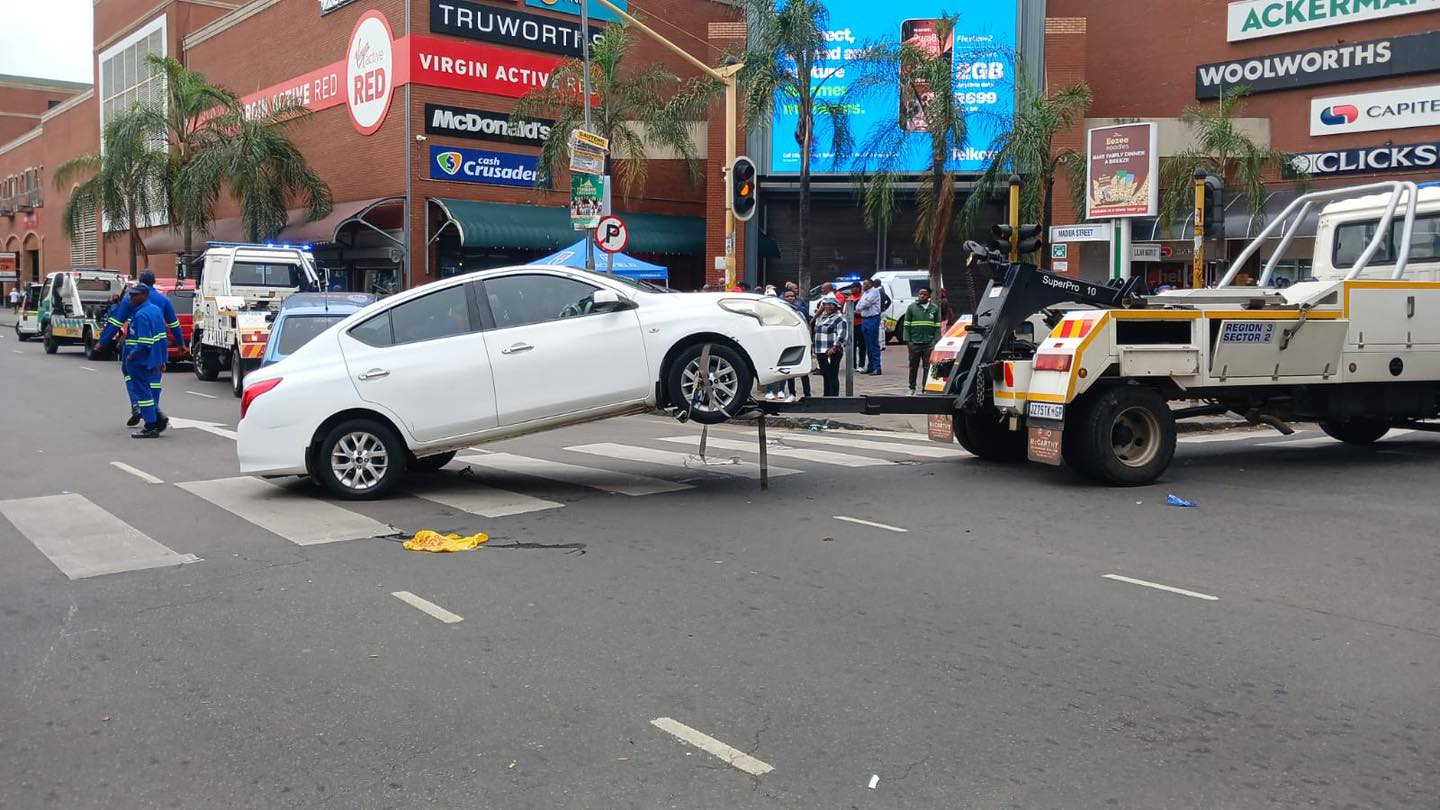
In South Africa, vehicle impoundment is governed by national and provincial legislation, as well as several municipal bylaws.
These include the National Road Traffic Act 93 of 1996 and the National Land Transport Act 5 of 2009, while municipal bylaws, including the 2021 City of Cape Town Traffic By-Law, also outline grounds for impoundment.
According to the TMPD’s regulations, vehicles may be impounded when parked in a “no parking” zone, parked on a pavement and obstructing pedestrian movement, or when a driver is arrested or following an accident.
The National Land Transport Act allows officers to impound vehicles if they are being operated without the necessary operating licenses or permits, or in a manner that contradicts the conditions thereof.
Municipal traffic bylaws may make provision for the immediate impoundment of vehicles for offences which include driving without a licence, operating a vehicle without number plates, or reckless driving.
Several traffic offences may lead to impoundment, including driving drunk, under the influence of drugs, or operating an unroadworthy or unregistered vehicle.
Furthermore, the Criminal Procedures Act empowers police to seize and store vehicles involved in crime.
Foreign vehicles may also be impounded, provided they violate local laws, lack the appropriate registration, or fail to comply with customs requirements.
The National Road Traffic Act and its regulations outline the framework for impounding vehicles that are deemed unroadworthy, unregistered, or involved in criminal activities.
This includes release conditions and the scrapping of unclaimed vehicles after a specified period.
Under these regulations, impounded vehicles may only be released upon payment of impoundment fees, towing costs, and storage fees.
Regulations also allow officials to decide whether to sell or destroy unclaimed impounded vehicles after a stipulated period, which may be as little as 90 days.



 Loading ...
-facelift-2-2025.10.webp)
-2025.11.webp)