New concerns over Chery buying Nissan factory in South Africa


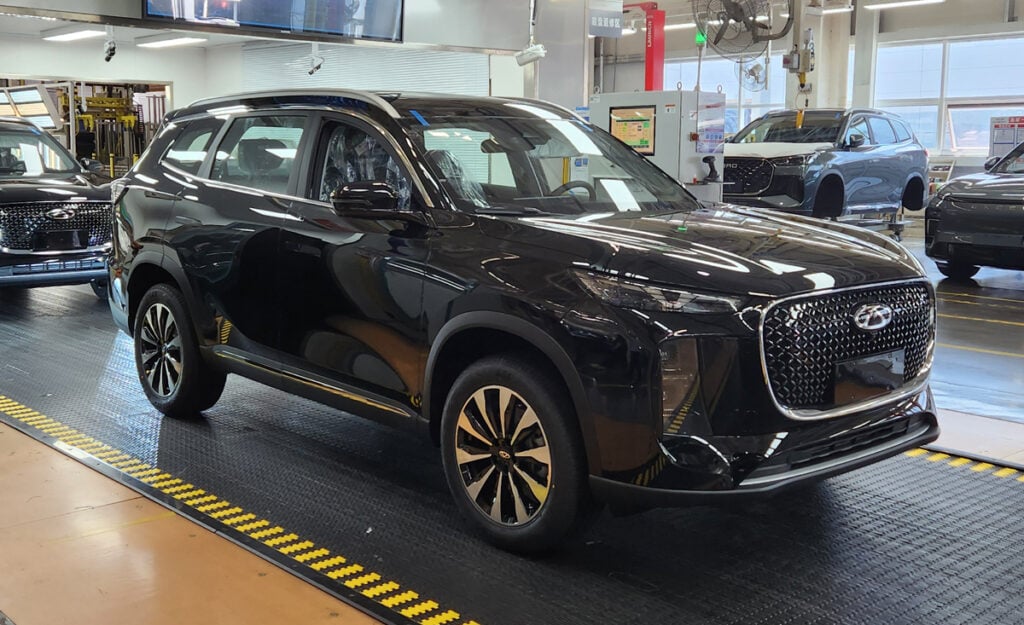
Since the announcement that Chery will be taking over Nissan’s factory in Pretoria, trade unions have been split regarding the decision.
Nissan agreed to sell its Rosslyn plant, as well as all of its manufacturing assets, to the Chinese giant.
“Subject to the fulfilment of certain conditions, including regulatory approvals, Chery SA will purchase the land, buildings and associated assets of the Nissan facilities, including its nearby stamping plant, in mid-2026,” Nissan said.
The agreement between the two car builders included Chery South Africa offering positions to the majority of Nissan employees on “substantially similar terms and conditions as today.”
“Through this agreement, we’re able to secure employment for the majority of our workforce, thereby also preserving opportunities for our supplier network,” said the president of Nissan Africa, Jordi Vila.
Nissan’s sale of the Rosslyn plant does not signal a withdrawal from South Africa, as it will continue to sell its vehicles in the local market, alongside new models that are set to launch later this year.
According to Vila, the move “ensures that the Rosslyn site will continue contributing to the South African automotive sector”.
The purchase marks a massive step in Chery’s growth in South Africa, and Chery South Africa CEO Tony Lui said the automaker is committed to long-term investment in South Africa.
While some within the industry support the move, News24 reported that not all parties and trade unions are happy with the deal between Nissan and Chery.
Despite the country’s biggest automotive staff trade union, the Motor Industry Staff Association (MISA), saying the deal puts employees first, the National Union of Metalworkers of South Africa (Numsa) highlighted that the deal was struck without consulting workers.
Jobs bloodbath or employment opportunity?

According to Numsa general secretary Irvin Jim, the union was not approached during consultations, which he says is a “big issue.”
“Our focus and interest is going to be the job security of our members, as we hear that they might not want to take the whole workforce,” he said.
The union, which represents over 300,000 employees, believes many employees may be laid off for several months while preparing for the production of Chery’s vehicles.
According to Jim, the Department of Trade, Industry and Competition (DTIC) is being “too liberal” with its support of Chinese manufacturers.
He warned of South Africa’s declining manufacturing capacity and stated that the entire industry is under siege.
“We need a decisive and coordinated state response. We are openly being raided, and there is no sense of urgency,” declared Jim.
“The response from the DTIC is that we are not hostile. Our jobs are not for sale.”
Numsa called on the government to raise the tariffs on vehicles and components imported from Asian countries as a result of the impacts they have had on the local industry.
“We are facing a job-loss bloodbath; something has to be done to make sure that the government moves at a faster pace,” said Jim.
MISA, on the other hand, believes the influx of Chinese and Indian brands has stimulated the local market and created massive competition.
“MISA believes that the manufacturing and assembling of Chinese vehicles locally is vital for the survival of the automotive industry,” said MISA CEO Martlé Keyter.
“With Chery taking the lead in this regard, it will not only sustain jobs but create more employment opportunities.”
Keyter added that it was too late to implement a 50% tariff on automotive imports, and urged the government to instead encourage Indian and Chinese brands to establish themselves more in South Africa.




 Loading ...
-facelift-2-2025.10.webp)
-2025.11.webp)