Following a ten-week inquiry into the financial matters of the Road Accident Fund (RAF), the Standing Committee on Public Accounts (Scopa) uncovered several issues plaguing the government entity.
The committee is currently considering the draft framework of its report, marking the final phase of its enquiry.
During said inquiry, Scopa received briefings from the Auditor-General of South Africa (AGSA), the Special Investigation Unit (SIU), the Accountant General, the Accounting Standards Board, witnesses, the former RAF Board, the Interim RAF Board, and the Ministry of Transport.
The Auditor-General outlined the fund’s financial decline over several years, with audit outcomes deteriorating from a clean audit in 2019/20 to two disclaimers and three adverse audit opinions in the years that followed.
As part of the SIU’s briefing, it explained that it is currently conducting investigations within the RAF.
Scopa has received submissions from whistleblowers raising concerns about the handling of finances, claims management and governance practices at the fund, which were also considered.
The inquiry uncovered several issues that will be addressed in Scopa’s final report, to be released at the end of February, which will be debated and voted on in the National Assembly.
One issue Scopa found is that the fund cancelled its panel of attorneys without a plan, resulting in thousands of court cases going undefended and leading to defaulted court judgments, totalling R15.7 billion.
The committee highlighted that the RAF 1 claim form requires claimants to spend up to R100,000 to register a claim, adding to costs which the RAF must later repay, and denying access to poor South Africans.
Fraud allegations involving legal firms were also uncovered, as was a claims processing strategy that negatively affected members of the public who tried to submit claims directly to the RAF.
A major concern highlighted by Scopa is the RAF’s widening financial gap, with estimated liabilities of nearly R100 billion compared to its annual income of around R50 billion.
The Road Accident Fund was also found to suspend several employees on full pay for extended periods.
Road Accident Fund turning a corner
Despite these findings, there is hope that the Road Accident Fund is turning a corner.
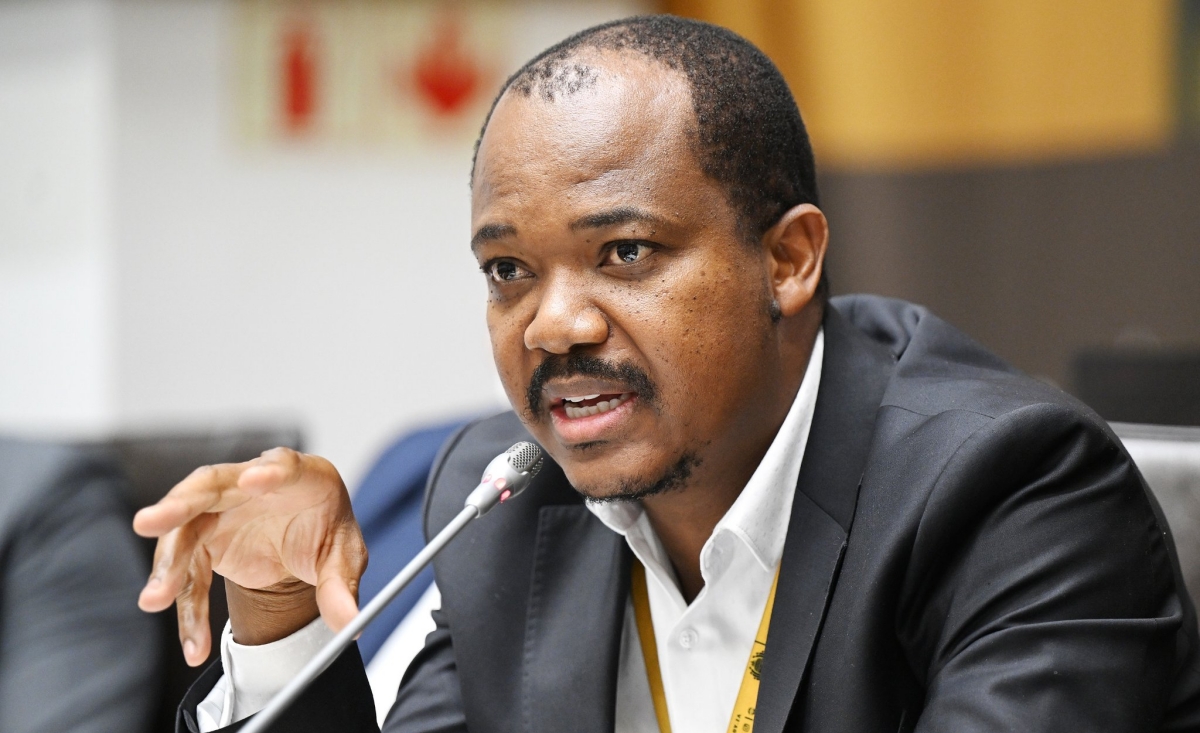
Chairperson of the Portfolio Committee on Transport, Donald Selamolela, said that, contrary to public opinion, the RAF is on the road to recovery.
“We are satisfied that indeed there is work happening to improve governance and stabilise the operation of the RAF,” he said.
“The committee accepts that the RAF is a challenged entity of government, besieged by historical factors that unnecessarily frustrated the work of the entity.”
Selamolela said that concerns about the fund’s organisational structure remain, adding that if they are not attended to, they will hinder further progress from being realised.
“The negativity around how the entity is viewed by the public should cease, and our focus should be on serving the claimants,” he said.
Deputy Transport Minister Mkhuleko Hlengwa, accompanied by the RAF board, told the committee that reforming the RAF remains a priority and that direct claims are an immediate area of attention.
The committee’s chairperson said that despite Scopa’s inquiry into the RAF, the committee remained hopeful that significant strides were being made to stabilise the entity.
“We are happy that you are summoning all capacities from the departments in marketing the work you are doing,” he told the RAF board.
“Kindly speed up your game in whatever you are doing, and we share the view that the RAF is an important service delivery mechanism that touches the lives of people.”
He also called on the Department of Transport to review the RAF’s legislation and close all existing loopholes.




 Loading ...