Trains are making a big comeback in this South African province


Several railway developments are underway in the Western Cape, with the recently reopened Kapteinsklip passenger rail line and the revitalisation of the freight rail along the Overberg rail corridor.
The province’s Minister of Mobility, Isaac Sileku, welcomed the Passenger Rail Agency of South Africa’s (Prasa’s) reopening of the Kapteinsklip passenger rail line in Mitchells Plain.
He described it as an important step in rebuilding the province’s public transport network and reducing pressure on congested roads by shifting more commuters back onto the rails.
The reopening of the Kapteinsklip line marks the first time it has been operational since 2020.
“While all stations along the corridor are now open, our work is not done,” declared Sileku.
“We are now focused on fixing signalling challenges to improve the frequency and reliability of trains.”
“For commuters, this means moving towards a service where trains arrive every few minutes, not every hour, and one you can set your watch by.”
Although passenger rails fall under the national government’s responsibilities, the Western Cape Mobility Department advocates for the devolution of this function to capable provincial and local authorities.
The department has been working closely with Prasa to accelerate recovery efforts on the Central Line, which for years has been impacted by vandalism and illegal occupation.
Transport Minister Barbara Creecy has also announced positive rail reforms, including provisions for third-party participation on branch lines, encouraging investment and laying the groundwork for devolution.
The minister’s department is also finalising the National Rail Bill, which aims to provide a legislative framework for greater collaboration across government spheres and encourage greater private sector participation.
“These developments reflect Prasa’s renewed commitment to restoring services, coupled with the Western Cape Government’s sustained advocacy,” said Sileku.
“Together, we are working to rebuild passenger rail as a safe, reliable and affordable transport option for residents, and strengthen the province’s overall economy.”
Commercial expansion

Last week, the Western Cape Government released its first report on the Overberg Rail Business Case, following a stakeholder feedback session in Bredasdorp, outlining its rail infrastructure transformation roadmap.
It hopes to create a modern, integrated freight system, which will link the Overberg corridor to inland markets, including Gauteng.
The project was initially announced in July last year, when Sileku highlighted that the Western Cape’s full rail potential has long been underutilised.
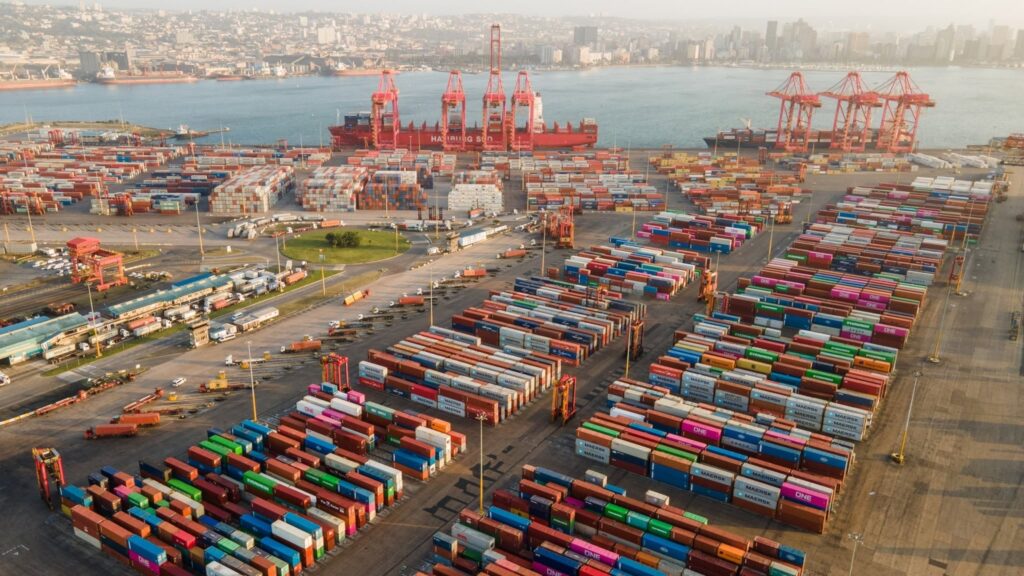
Developing an intermodal corridor linking the Transnet-operated rail, the Belcon Inland Terminal, and the Port of Cape Town is key to unlocking this potential.
It will enable the transport of agricultural produce and bulk commodities to both domestic and export markets.
The potential exists to transport nearly 105,000 tons of freight annually between the Western Cape and Gauteng, alongside around 2,000 refrigerated containers.
These offer a significant opportunity to shift large quantities of freight from road to rail, which will improve efficiency and enhance South Africa’s export competitiveness.
“This Business Case positions the Overberg rail corridor as a key enabler to triple Western Cape exports by 2035,” said Sileku.
“By unlocking dormant rail capacity, strengthening intermodal links, and attracting private investment, we are building a freight system that drives economic growth, supports producers, and reduces road congestion.”
Sakkie Franken, Executive Mayor of the Overberg District Municipality, added that the findings represent an important step towards unlocking the full economic potential of the region.
“The revitalisation of the rail corridor will strengthen supply chain reliability, reduce pressure on our roads, and improve the competitiveness of Overberg producers in both domestic and export markets,” he said.
Franken said the municipality supports the initiative and remains committed to working with its provincial and national partners to ensure the successful implementation of a modern, integrated freight system.
According to Sileku, the business case aligns with the freight rail reforms recently announced by Minister Creecy, which aim to open up underutilised branch lines to third-party participation.
“These reforms create a historic opportunity to unlock dormant rail capacity and attract investment into regional corridors such as the Overberg,” he added.
“We are positioning ourselves at the forefront of this reform process by developing credible, evidence-based projects that enable private sector participation, strengthen intermodal integration, and restore rail as the backbone of our freight system.”
Following the release of the report, the focus shifts towards finalising an implementation plan, addressing infrastructure needs, and collaboration with industry partners.



 Loading ...
-facelift-2-2025.10.webp)
-2025.11.webp)