Government looking to install 43 new highway speed cameras in South Africa’s richest province


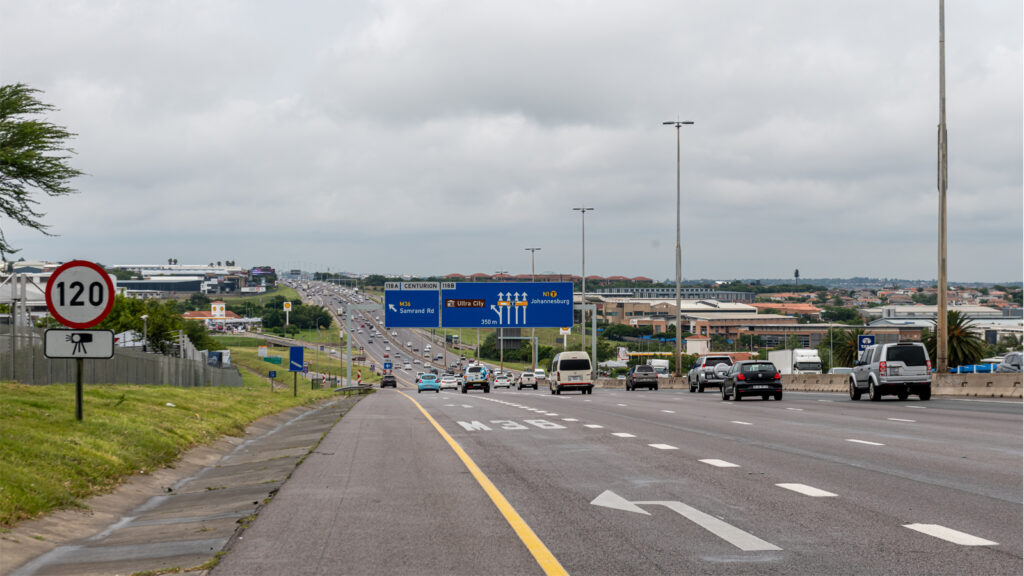
The government has signed a new agreement to launch a feasibility study about converting Gauteng’s e-toll gantries into speed enforcement and vehicle licence identification tools.
The agreement was made with the Gauteng Provincial Government and the South African National Roads Agency (SANRAL).
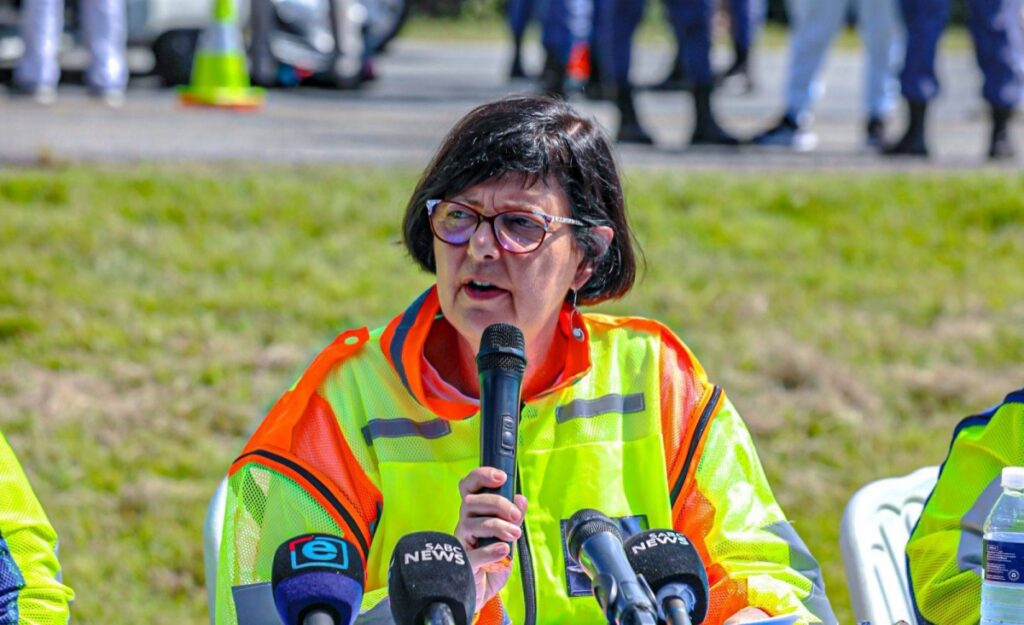
This was revealed by Transport Minister Barbara Creecy in a recent parliamentary Q&A, where she noted that the goal is to convert the existing e-toll infrastructure into a new average-speed-over-distance and car licence monitoring network.
The minister confirmed that a formal business case is now being developed, and that this plan “will inform the project plan, timelines and budget.”
Gauteng’s controversial e-tolls were first introduced back in 2013 to fund the Gauteng Freeway Improvement Plan, charging motorists a small fee for every gantry they passed on major routes like the N1, N3, N12, and R21.
However, the project received significant backlash from citizens, resulting in boycotts where motorists received to pay their fees.
Civil action groups like the Organisation Undoing Tax Abuse (OUTA) pushed to have the gantries shut down, arguing it was an unreasonable tax burden on citizens.
All of this eventually forced the government to shut down the e-toll system in 2024.
According to a parliamentary Q&A from 2012, the capital cost of the e-toll infrastructure was just over r20 billion.
With 43 gantries installed across Gauteng, this translates to an average cost of R465 million per gantry.
The idea of re-purposing the gantries is not new. In 2022, SANRAL proposed that the system be converted to a system for tracking stolen cars and identifying cloned licence plates.
Gauteng’s new speed camera plan

Wayne Duvenage, CEO of OUTA, said the organisation supports the repurposing of Gauteng’s e-tolls so long as it benefits citizens and does not become another money-making scheme.
He noted that a new system for tracking stolen vehicles could support police efforts.
“If it’s that type of thing, then I see no reason why not to repurpose it for that reason.”
However, he also warned that the government should “be careful” if its only plan is to use the system to issue traffic fines.
Duvenage argued that visible policing efforts are still more effective, and that transparency is crucial to this project.
“What we want to see is that business plan, and what input they take from the public.”





 Loading ...