Nissan is exploring sharing its factory in Sunderland with China’s Chery, a deal that would ease concerns about the future of Britain’s largest car plant.
The non-binding memorandum of understanding announced on Wednesday could see the plant start producing Chery vehicles as soon as 2027. Nissan would continue to own the plant and employ staff.
The announcement comes after Nissan said in May it would consolidate manufacturing at the northeast England site onto one production line, leaving the other line unused.
“We are looking forward to working with Chery International UK in the coming months to finalise a position that is optimal for both companies,” Massimiliano Messina, who heads Nissan’s operations in Europe, said in a statement.
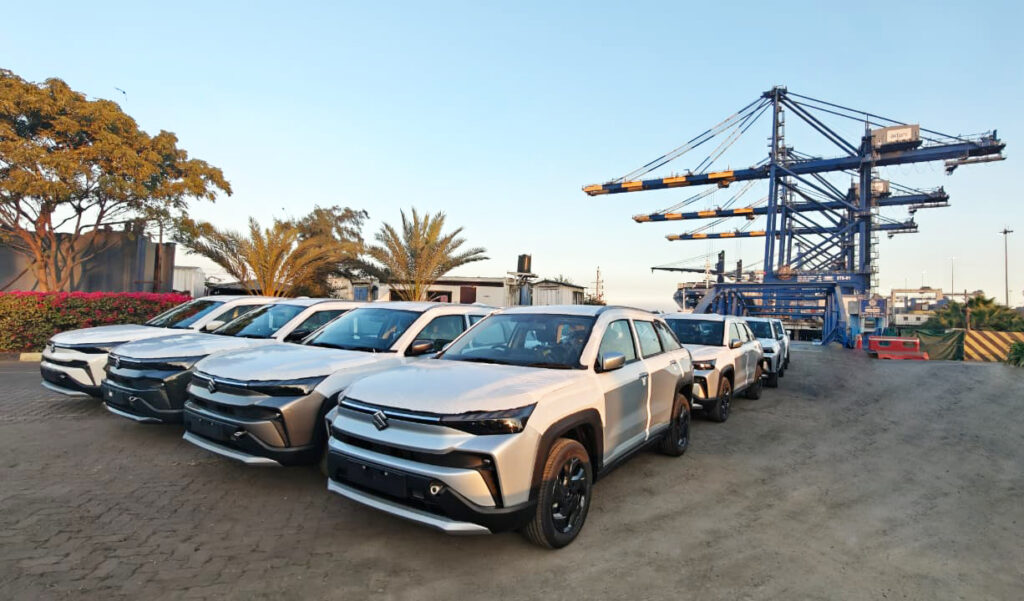
Chery agreed earlier this year to buy Nissan’s vehicle-manufacturing plant in South Africa.
Stellantis NV and other automakers are also exploring deals in Europe with Chinese rivals to fill spare capacity.
Chery’s brands, which include Jaecoo and Omoda, have proved popular with British buyers, taking customers from the likes of Nissan.
They made up 6.7% of new cars sold in the UK in April, according to the Society of Motor Manufacturers and Traders, above Nissan’s share of 2.7%.
The Jaecoo 7 sport utility vehicle was the country’s best-selling car in March, and has been nicknamed the “Temu Range Rover” by local fans and media, a nod to the discount e-commerce platform, because it’s seen as a cheaper take on the British brand’s luxury SUVs.
Nissan is the biggest employer in Sunderland, with more than 6,000 workers at the plant producing its Qashqai, Juke and Leaf models. It supports a further 30,000 jobs in the supply chain.
The plant’s future has been called into question by the European Union’s “Made in Europe” proposals, which risk restricting key subsidies to vehicles manufactured in the bloc — a significant threat since the EU is Britain’s biggest market for passenger cars.
And Nissan has been undergoing a major restructuring program involving factory closures and 20,000 job cuts worldwide.
The British government has a history of supporting the plant due to its large number of employees in a relatively deprived region of England, and its symbolic connection to England’s past as an industrial powerhouse.




 Loading ...
-facelift-2-2025.10.webp)