Deputy President wants Chery to use townships to supply its car factory in South Africa


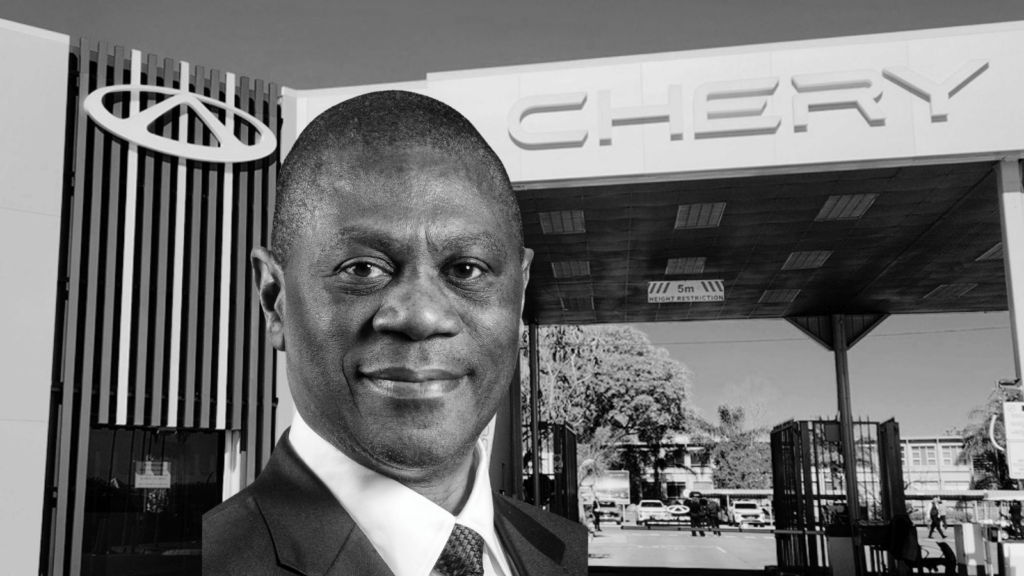
Deputy President Paul Mashatile wants Chery to use township businesses to supply its new factory in South Africa.
The Chinese carmaker recently acquired Nissan’s Rosslyn production plant in northern Gauteng, which previously produced the Navara bakkie.
The acquisition was approved by the Competition Tribunal in June 2026, subject to public interest conditions relating to employment and local procurement.
Nissan’s history in South Africa dates back 60 years to 1966 when the company began assembling vehicles from complete knock-down kits. It later established its Rosslyn manufacturing plant in 1973.
Over the years, it has produced popular models like the NV350 Impendulo, NP300 Hardbody, NP200, and Navara.
However, the company gradually lost market share due to its ageing lineup and an influx of new competitors from India and China, ultimately leading to the decision to sell its factory to the Chery Group.
TopAuto attended the official opening ceremony on 3 July 2026, where Chery revealed that it plans to build at least five new cars across its family of brands.
Mashatile, who was one of the speakers at the event, said the carmaker should bring township suppliers into the automotive value chain.
“Government calls upon Chery to work hand in hand with us in identifying and promoting local suppliers, especially those led by our youth,” Mashatile said.
“For it is in the strength of our supply chains that the resilience of our industry is secured, and it is in the creativity of our young entrepreneurs that the future of our economy is written.”
The Deputy President said that bringing township suppliers into the vehicle supply chain would strengthen Chery’s operations while transforming communities where opportunities are needed the most.
“I believe that this investment will also reinforce the social fabric through the cooperation of organised labour, local suppliers, and township entrepreneurs in one value chain,” he said.
Local assembly and supply chains for Chery’s new factory
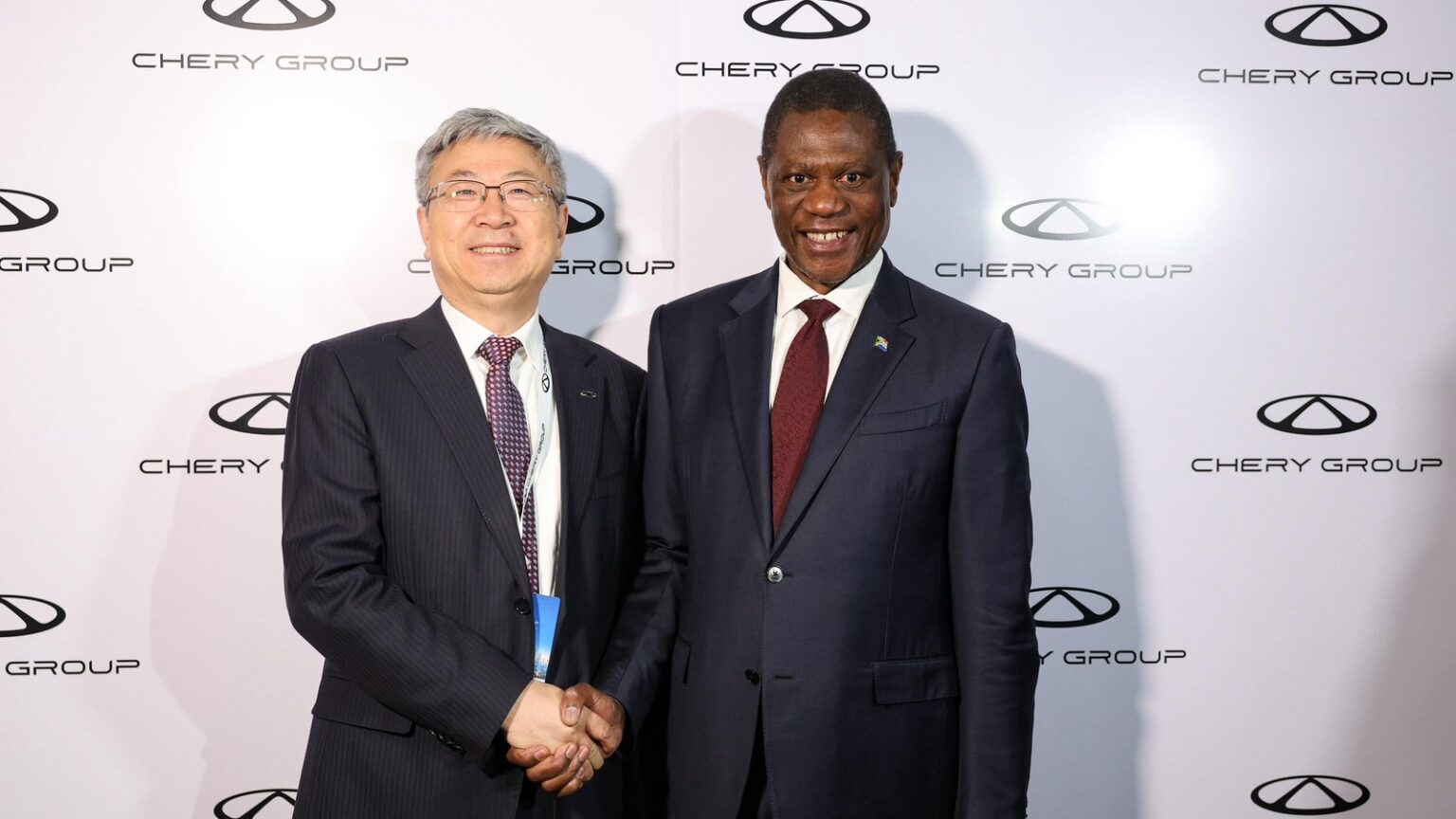
Mashatile said it was necessary to separate basic assembly from the more advanced localisation of components and supply chains.
“Assembly by itself may provide only shallow employment, but prospects are better with localisation because it creates significant job multipliers,” he said.
“Localisation enables township businesses to become engines of inclusive growth, and it ensures that innovation flows beyond the factory floor and into the broader economy.”
He emphasised that this would promote skills development that would apply to multiple generations.
Mashatile highlighted that the Rosslyn plant is located near the Mamelodi township, which he said was important because industrialization cannot occur far from the people it is meant to support.
“We are making a clear statement that township residents must be direct participants in the economy of the future,” he said.
“We are doing this by locating new factories, supplier opportunities, training platforms and enterprise support so close to Mamelodi, Nellmapius, Eersterust and surrounding communities.”
He said this was how South African industrial policy could be turned into jobs, and investments could be turned into skills.
“This is how we ensure that young people from our townships can see opportunity not as a distant promise, but as something being built within reach of their homes,” he said.
“Government welcomes Chery’s presence in Rosslyn precisely because it offers the possibility for industrialisation to be rooted in local communities.”




 Loading ...