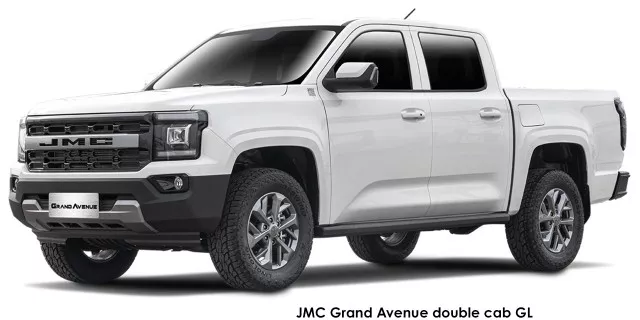
South Africa’s car industry is on track for its best sales in a decade


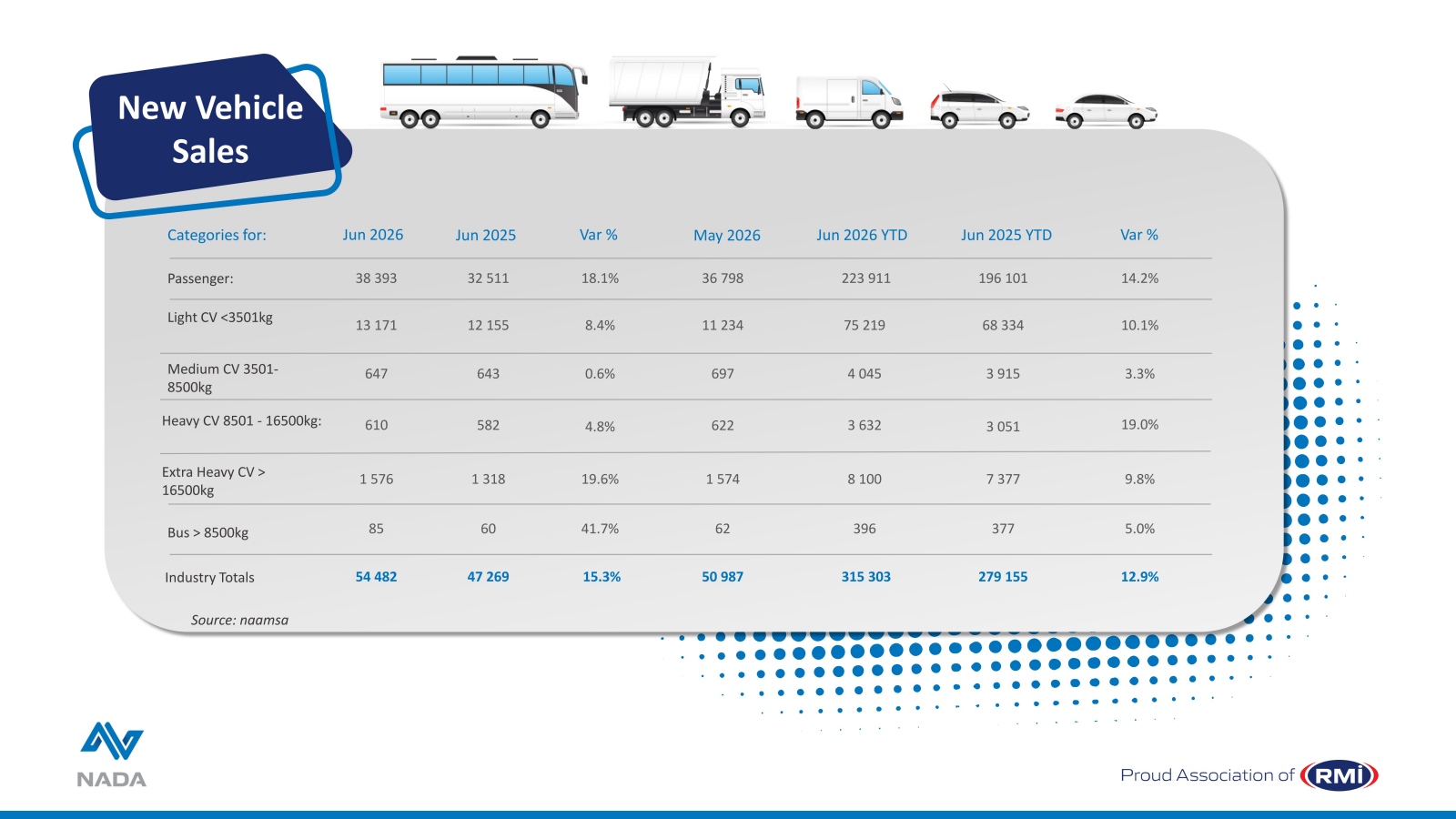
Last year, South Africa’s auto industry recorded 596,818 sales, the best since before the COVID-19 pandemic and looks on track to surpass 600,000 new vehicle sales in 2026, which would be the best in a decade.
The Automotive Business Council (Naamsa) reported that last month’s sales figures represent the best June performance since 2007, keeping this year’s numbers nearly 13% ahead of the first six months of 2025.
Year-to-date, the local automotive market reached 315,303 units sold, 12.9% ahead of the corresponding period in 2025, with passenger vehicle sales growing by 14.2%.
Touching on this, Ryan Seele, Executive at the National Automobile Dealers’ Association (NADA), said the market continues to demonstrate remarkable resilience despite ongoing economic pressures.
“Consumers are still navigating a challenging economic environment, with the rising cost of living, fuel prices and broader financial pressures all influencing purchasing decisions,” he said.
“Yet the market continues to perform exceptionally well, suggesting buyers are recognising value where it exists and remain prepared to commit when the right opportunity presents itself.”
Seele noted that a defining characteristic of the current market is the apparent shift back towards established legacy brands.
“History shows that during periods of economic uncertainty, consumers become more cautious about where they spend their money,” he said.
“Buyers are gravitating towards brands they know and trust, placing greater emphasis on reliability, dealer support and long-term ownership value.”
Leading brands like Toyota, Suzuki and Volkswagen recorded three consecutive months of growth, reinforcing the view that consumers are gravitating towards established brands.
Seele noted that the automotive sector is also benefiting from improved market sentiment, thanks to lower fuel prices and easing geopolitical tensions in the Middle East.
“Together with attractive quarter-end offers from several manufacturers, this created a more positive buying environment and encouraged purchasing activity,” he said.
The role of bakkies and other commercial vehicles in South Africa’s auto sector

South Africa’s commercial vehicle market also continued its positive trajectory, with all segments recording year-on-year growth.
Light commercial vehicle (LCV) sales – which include bakkies – increased by 8.4% to 13,171 units, medium commercial vehicles grew by 0.6%, and heavy trucks and buses posted strong growth of 15.9%.
NADA’s commercial vehicle representative in the Free State, Martin van den Berg, said transport sector sentiment is improving as international oil prices soften and expectations of lower fuel costs restore confidence among operators.
Despite fuel prices remaining above levels seen earlier in the year, stronger enquiry levels show that transport businesses are once again planning with greater confidence.
According to NADA, Chinese manufacturers continue to strengthen their position within South Africa’s commercial vehicle market, with FAW maintaining a significant lead among the newer entrants.
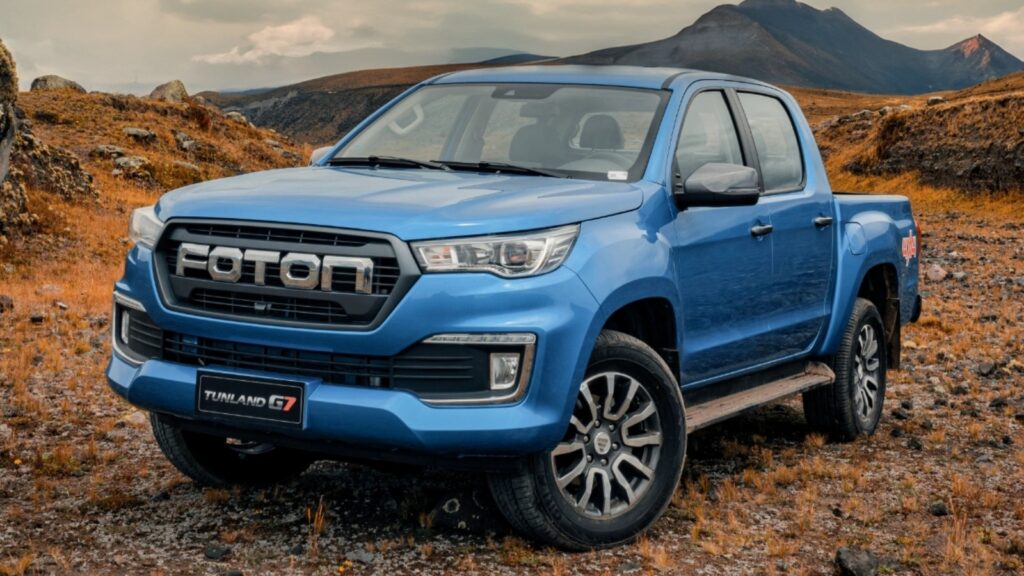
Brands like Foton and Sinotruk are also steadily building market share, though NADA warns that their long-term success ultimately depends on their continued investment in dealer networks and aftersales support.
Demand for quality used commercial vehicles has also remained robust, with reliable pre-owned vehicles frequently selling above their traditional trade values.
NADA suggests that this highlights how fleet operators continue to carefully balance replacement needs with prudent financial management while navigating a challenging operating environment.
“The first half of 2026 has consistently exceeded expectations. While economic headwinds remain, South Africa’s automotive sector continues to demonstrate remarkable resilience,” said Seele.
“Should current momentum be sustained, the industry is well-positioned to exceed 600,000 new-vehicle sales this year.”
“Consumers are making considered purchasing decisions, businesses continue to invest, and confidence appears to be improving, providing an encouraging outlook for the second half of 2026.”



 Loading ...