


Motorists who overload their vehicles could have their car insurance claim denied in South Africa, highlighting a major problem with many new SUVs.
This is according to Tandiwe Cimela, Executive of Elite Risk (a high-net-worth insurer and part of Old Mutual Insure), who recently spoke about the risk factors in modern cars that can lead to problems with insurers down the road.
She noted that crash-test safety ratings, repair costs, parts availability, and even the payload capacity are all factors that can influence a vehicle’s road safety, insurance risk, and the total cost of ownership.
Cimela noted that close to 70% of vehicles sold in South Africa are now imported, driven largely by affordable options from India and the growing market share of Chinese manufacturers.
“While affordability is often the deciding factor when buying a vehicle, motorists should also consider other aspects that impact risk,” she said.
“While price, styling and features typically drive buying decisions, elements such as vehicle safety and payload capacity can have a significant impact on both road safety and insurance risk.”
She highlighted an issue that has recently come under the spotlight with SUVs, which is that some new models have a very low payload capacity.
The payload refers to the maximum combined weight that a vehicle can safely carry, including passengers, baggage, and accessories.
This is an important metric that manufacturers use to determine whether the car’s brakes, tyres, suspension, and structural components work as intended.
One model that has caught the public’s attention is the Jetour T2, which has a payload capacity of just 375kg, meaning that a full complement of passengers and luggage could potentially exceed the vehicle’s weight allowance.
Cimela warned that overloading a vehicle can have ramifications for an insurance claim in the event of an accident.
“The key consideration is whether the vehicle was being operated within legal and manufacturer specifications, and whether overloading materially contributed to the accident,” she explained.
“If it can be demonstrated that excessive weight affected braking distance, vehicle stability or handling, this could influence the outcome of a claim.”
“Consumers should therefore familiarise themselves with their vehicle’s payload limits and ensure they remain within them.”
Other factors that can affect an insurance claim
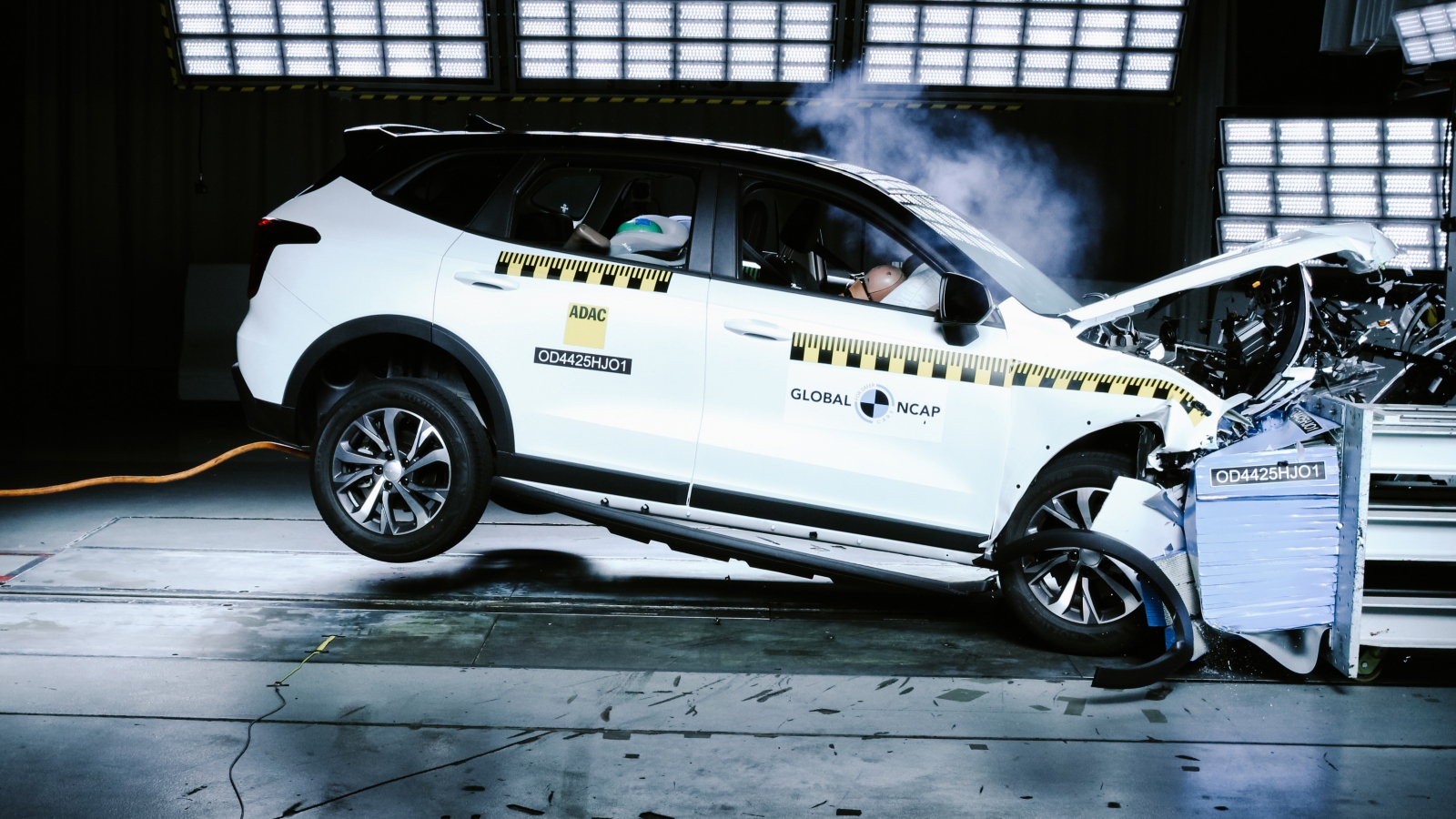
Cimela also warned that a vehicle’s crash safety rating can affect its insurance premiums, as cars with a higher rating present a lower insurance risk.
This comes after the Automobile Association (AA) raised concerns about several entry-level cars sold in South Africa, such as the base Haval Jolion, which received a two-star Global New Car Assessment Programme (Global NCAP) safety rating.
“A vehicle’s safety rating is an important indicator of risk, yet it is often overlooked,” she said.
“While insurers do not determine premiums solely based on crash-test ratings, vehicles with stronger safety credentials generally present a lower overall risk profile and can contribute positively to underwriting assessments.”
With so many new cars entering the market in South Africa, Cimenal said it was important for consumers to stay informed, ask questions, and consider all aspects of a vehicle before making a purchase.
“Besides considering whether the vehicle has been independently crash-tested and what safety rating it achieved, consider its availability of replacement parts, expected repair and maintenance costs, and whether there is a well-established dealer and repair network,” she says.


 Loading ...
-facelift-2-2025.10.webp)
