
South Africa’s biggest car brands face increasing pressure from India and China


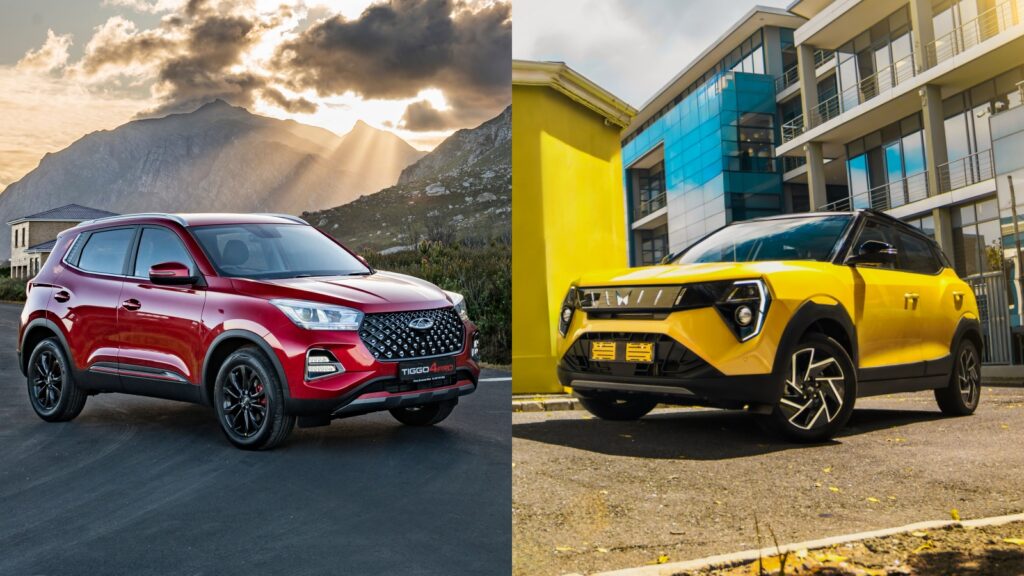
Automotive giants like Toyota and VW have done well to fend off the seemingly endless onslaught of Chinese and Indian car brands, but may soon need to re-evaluate how they operate to continue to do so.
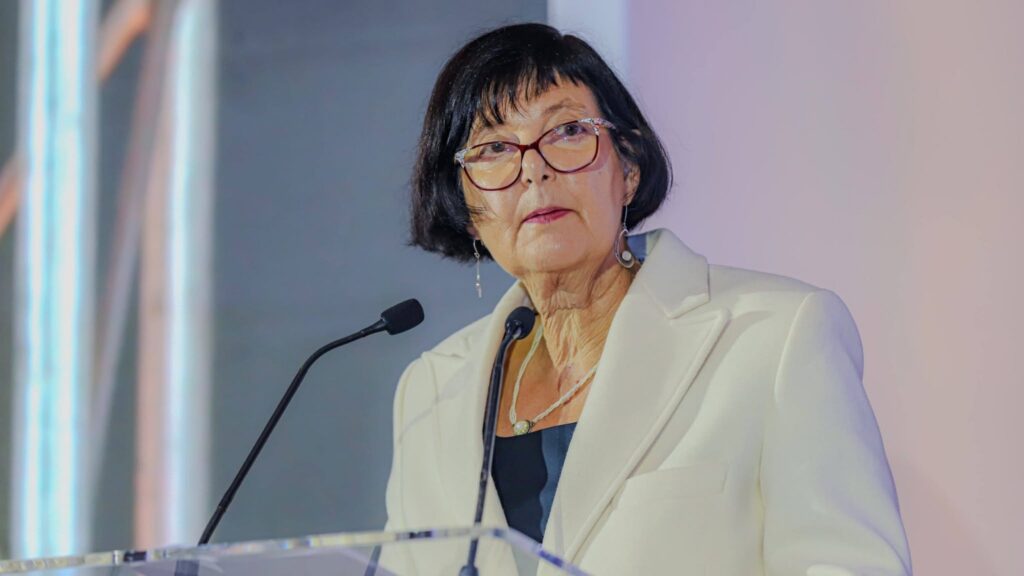
This is the opinion of Muhammed Ebrahim, Audit Partner at BDO South Africa, who said that the proliferation of emerging car brands presents both a challenge and an opportunity for established manufacturers.
New models, particularly ones built in Asia, are expanding choice for price-sensitive consumers and also driving some of the most significant structural changes to the local vehicle market in decades.
According to Ebrahim, these brands appeal to younger buyers thanks to their modern designs and advanced technology, which they combine with more competitive pricing than legacy brands.
“The result is an increasingly crowded South African vehicle market, with more global brands entering, or expected to seek a foothold, in the country,” he noted.
“It is a threat to previously dominant and relatively captive market positions, as the battle for customers is increasingly being fought across pricing, technology, after-sales service, dealer support and parts availability at reasonable prices.”
Despite the threat posed, emerging car brands are challenging legacy carmakers to demonstrate how they earned the trust and loyalty of South African buyers over decades by continuing to meet customer expectations.
Ebrahim said that legacy badges should ask what works and needs to remain in place, and what needs to change to remain competitive.
“The answer to the first question is to protect the fundamentals that have built customer trust while continuing to innovate,” he said.
“The South African vehicle market has historically demonstrated that customers are often willing to pay more for a used vehicle from a brand they perceive as reliable than pay less for a new vehicle from a brand that has yet to establish a track record.”
South Africa’s ever-changing market

While the local market has been loyal to major manufacturers, Ebrahim warned them not to become complacent, since customer behaviour can change quickly.
This is because once a new entrant demonstrates its reliability, is well-equipped, and well-priced, market share tends to shift rapidly, as brands like Chery and Mahindra have already proven.
That being said, South African buyers are cautious and tend to plan their purchases around after-sales support, which is why word of mouth is becoming increasingly important in purchasing decisions.
As a result, Ebrahim encouraged established manufacturers to remain focused on understanding what their customers will want in the future, even before they know it themselves, because cars are no longer simply products.
When interacting with potential customers, brands either strengthen the relationship or give them a reason to consider other options.
“This means vehicle manufacturers and dealerships should constantly look for ways to remove friction from the customer journey,” explained Ebrahim.
“A seamless, genuinely customer-centric experience is becoming increasingly important. A simple dashboard reminder that a vehicle is due for a service, for example, is no longer enough.”
According to the auditor, the winners in South Africa’s rapidly evolving vehicle market won’t necessarily be those releasing the newest or most technologically advanced offerings.
The winners will instead be those brands that successfully combine competitive pricing, trusted brands, customer experience, after-sales service and strong dealer support to attract and retain customers.
“What is clear is that it is no longer business as usual in the South African vehicle market, because competition will continue to intensify as more brands enter the market and consumer expectations evolve,” he said
“Doing things differently is therefore no longer simply an option. It is a survival, growth and business resilience imperative.”



 Loading ...