
Big win for anyone caught up in a major backlog in South Africa


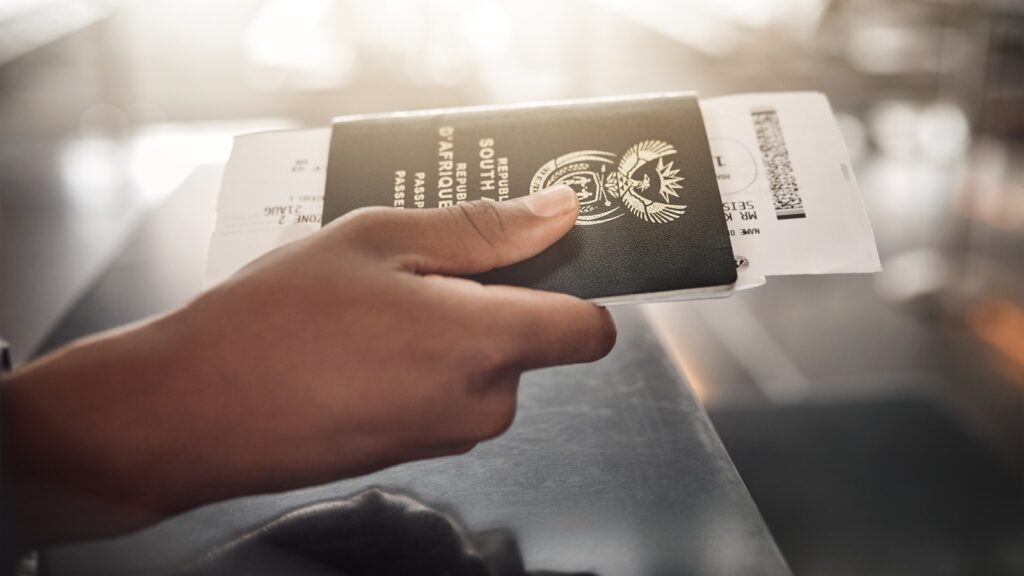
The Department of Home Affairs (DHA) is working on clearing overdue visa applications while addressing departmental corruption and irregular visa processing, and introducing improved digital systems.
This was revealed during a briefing to the Parliamentary Select Committee on Security and Justice, which heard that the DHA is working to overcome several operational obstacles to clear the backlog.
It identified sustained demand, application complexity, fragmented processes, data integration challenges and capacity constraints as key factors contributing to processing delays.
In its report, the department said it has an average processing capacity of 13,000 to 15,000 applications per month and has set a target to clear all overdue applications by 31 March 2027.
The committee expressed its concern about the scale of pending visa application appeals, which, as of 28 July 2026, stood at 21,847, of which 13,148, or 60.2%, were overdue.
The DHA explained these appeals remain a significant workload requiring targeted adjudication, which the committee recognised and commended the department for its efforts in clearing the backlog.
“The committee welcomes the measures being implemented to reduce the backlog, but the ultimate test is whether these interventions result in predictable, fair and efficient turnaround times,” said Committee Chairperson Jane Mananiso.
“We cannot continue responding to backlogs only after they have accumulated.”
Regarding its efforts in tackling visa corruption, the DHA has investigated 41 allegations involving irregular processing and issuance of visas since 2022, with 20 referred for disciplinary processes.
Following these investigations, 18 officials were convicted and sentenced for contraventions of DHA legislation.
While these interventions were welcomed, the committee called for preventative controls as fragmented data and non-integrated systems risk contributing to duplication, manual intervention, reduced traceability, fraud and corruption.
“We are encouraged by action against officials implicated in corruption, but enforcement must go hand in hand with prevention,” added Mananiso.
“Systems should reduce unnecessary human discretion, strengthen traceability and make it more difficult to manipulate immigration processes.”
Greater digitisation of processes welcomed

The committee welcomed the DHA’s move toward the electronic travel authorisation system (ETA) and the Population Master Database.
The South African Revenue Service (SARS) implemented the ETA, which requires anyone entering or leaving the country to submit an online traveller declaration no more than 24 hours before departure.
According to SARS, the declaration forms part of the Customs process and helps travellers meet their legal obligation to declare goods, currency and other relevant items in their possession.
“The system makes it easier for travellers to comply with Customs formalities before arriving at a port of entry or exit,” the revenue service said.
The committee emphasised that digital transformation must deliver measurable improvements in efficiency, accountability, verification and service delivery.
It also welcomed the DHA’s Immigration Directive 7 of 2026, which extends the temporary status of pending waiver, visa and appeal applicants until 30 June 2027.
This aims to prevent law-abiding foreign nationals from becoming irregular due to administrative delays.
“The state must protect the integrity of our immigration system while ensuring that people who comply with the law are treated fairly,” said Mananiso.
“Administrative delays should not, in themselves, create irregularity for applicants awaiting decisions.”
The portfolio committee called on the Department of Home Affairs to maintain its clear monitoring and reporting of overdue applications and ensure its current interventions build a sustainable processing capacity.
“The objective must be genuine end-to-end resolution, rather than simply moving applications from one queue to another,” said Mananiso
“The department must clear the current backlog while building systems and controls that prevent backlogs from becoming a permanent feature of visa administration.”





 Loading ...
-2026.10.webp)



-2026.10.webp)