


Motorists in South Africa choosing a quality tyre from a reputable manufacturer is a good start, but they have been warned that understanding proper tyre fitment is also crucial.
According to the Tyre, Equipment and Parts Association (TEPA), most tyre buyers focus on price, brand and how long the tyres are expected to last.
However, fewer stop to ask who is fitting the tyres and whether that business follows proper safety and industry standards.
“Tyres are the only part of a vehicle that touches the road. If they are the wrong type, badly fitted or poorly maintained, they can affect how the vehicle brakes, turns and handles in an emergency,” it said.
Fitting a tyre is also not as simple as putting rubber on a rim. TEPA explained that the right tyre must suit the vehicle, carry the correct weight, be fitted securely and be balanced and aligned so the vehicle can drive safely.
“A problem with fitment may not be obvious when the vehicle leaves the shop, but it can show up later when the driver needs to brake suddenly, swerve or travel in wet conditions,” the association warned.
“That is why choosing where to fit tyres is also a safety decision, not just a price decision.”
As a result, TEPA urged motorists to have their tyres fitted only by accredited workshops, because these have committed to working responsibly, following recognised industry standards and being accountable.
This provides an extra layer of reassurance that the business takes training, safety and customer protection seriously.
The association noted that an accredited tyre fitment business can give motorists clear advice, fit the correct tyres for the vehicle and do the work in line with safety requirements.
“South Africa already faces serious road safety challenges. Tyres are only one part of the picture, but they are an important one,” said TEPA.
“A well-fitted tyre can help a vehicle respond better when the driver needs it most.”
What to check when buying used tyres
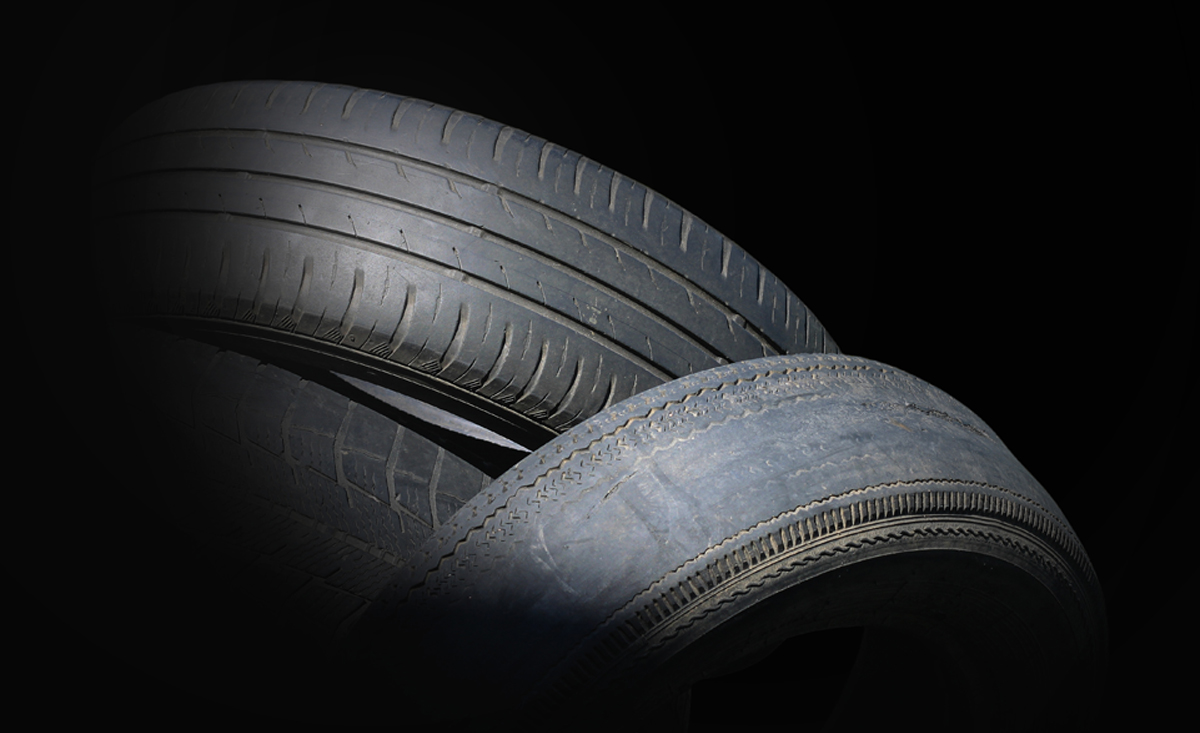
Because South African motorists are already facing a fuel-price and higher interest rate crunch, many are choosing to buy pre-owned and used tyres.
According to TEPA, motorists need to follow a checklist when doing so to ensure these tyres are not only road legal, but also safe enough to drive on.
Legal tread depth is often treated as the only test for whether a used tyre is safe to buy, but it is merely one factor.
Should the manufacturer’s predetermined minimum tread-depth indicator be worn, the National Road Traffic Act sets 1mm as the absolute legal limit for tyres.
“If you choose to buy used tyres, it is equally important to have them assessed by an accredited TEPA member or tyre shop before they go on the car,” said the association.
“An accredited business will check the areas that tread depth alone does not reveal, including the overall integrity of the tyre, sidewall damage, previous puncture repairs, whether the size is correct for the vehicle, and heat and load ratings.”
Should any of these be compromised, the tyres can pose a road safety risk to both the driver and other road users.
Customers often overlook these inspections when buying used tyres, while accredited fitment businesses are trained to carry these out beforehand.
TEPA advised motorists to ensure that they only buy used tyres from accredited businesses that are part of recognised industry bodies.
“It is a small question that can make a real difference. Choosing an accredited tyre business supports higher standards in the industry and helps make South Africa’s roads safer for everyone,” it noted.




 Loading ...
-2026.09.webp)
Conversation
1 commentsAnd a very important point which is missed in the article, specifically when buying 2nd hand tyres is the manufacturing date. You can buy an old tyre with lots of tread on it, but it may be 6+ years old and then may be a risk to you. May have hardly been driven, standing in the sun for most of it’s life, all of which add to the degradation of the compound and put you at risk.