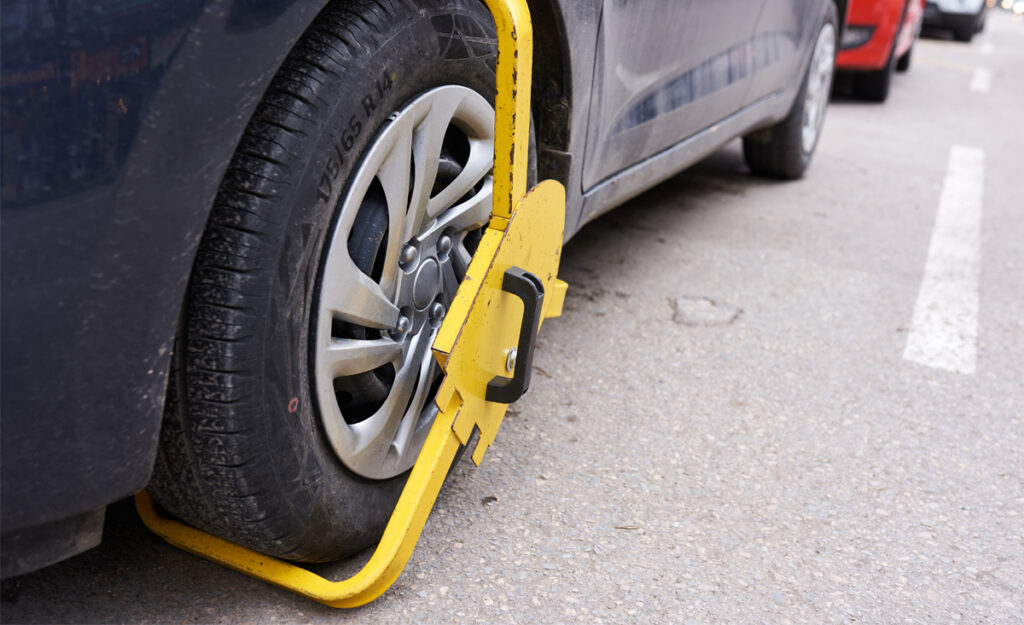
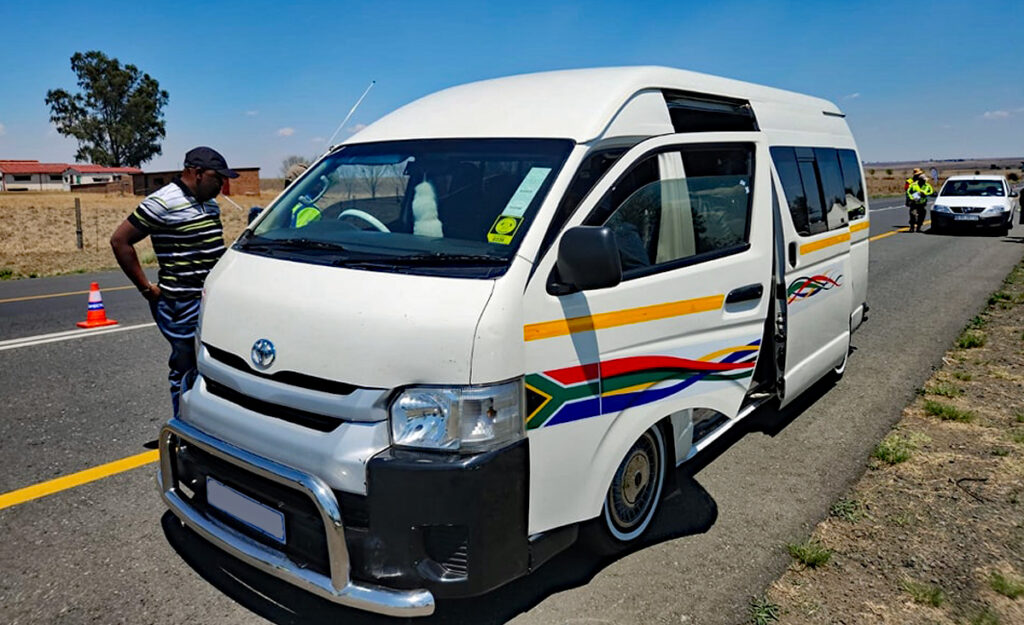
E-hailing drivers operating in the North West capital of Mahikeng have had to suspend their services after their cars were impounded by the police.
This comes as part of a nationwide crackdown on e-hailing operators, following the implementation of new regulations meant to improve the quality and safety of these services in South Africa.
The vehicles were impounded last week Thursday because the drivers lacked the necessary operating permits.
More than 35 cars have been taken in, including sedans, seven-seaters, and minibus taxis, according to SABC News.
Some of the drivers claimed that, since their cars were impounded, their livelihoods have been put at risk.
“They impounded our cars while dropping learners at school. So now we are forced to hire cars to fetch learners at schools, and per day it is R700,” said one operator.
“The ticket I got, they wrote R3,500 and the other ticket is R1,750 and the last ticket is for impound, which is R5,000,” said another.
E-hailing drivers have since blockaded the entrance to the local traffic department, demanding the release of their cars, stating they cannot afford the R6,000 impoundment fee.
They said that every time they are pulled over by police, they are asked to provide a permit. However, it has proven to be near impossible to obtain the necessary operating permits.
The head of the North West Department of Transport, Hans Kenana, insisted that the cars would not be released without a permit.
He said the police do not impound law-abiding, roadworthy cars and that drivers who have had their cars taken away must comply with existing legislation.
Operating permits a headache for e-hailing drivers
The e-hailing permits have become a major point of frustration for e-hailing drivers operating in South Africa.
In July 2026, the Tshwane Metro Police Department impounded 33 illegal ride-hailing cars in Pretoria over a lack of permits.
“The TMPD will not tolerate the unlawful operation of motor vehicles used for passenger transportation, as it endangers the public and increases the risk of passengers becoming victims of crime,” said the law enforcement group.
“The department urges motorists to comply with the law to avoid having their vehicles impounded and to help promote a safe and efficient public transport system.”
Under South Africa’s overhauled public transport laws, all taxis, buses, e-hailing, and shuttle services are required to obtain and carry valid operating licences.
The laws were introduced to address complaints within the e-hailing industry, such as unroadworthy vehicles, reckless driving, and high crime rates.
Drivers and riders have both been victims of criminal activity in South Africa. Drivers have had their cars hijacked by dangerous individuals posing as customers.
Similarly, there is a growing problem of fake drivers, particularly at airports, who pretend to work for popular apps like Bolt or Uber. While some of these drivers are just people trying to make a living, it nevertheless poses a major safety risk.
Driving.co.za managing director Rob Handfield-Jones recently commented on the reckless driving displayed by e-hailing drivers, highlighting a personal experience where a Bolt car drove through a light that had been red for several seconds.
“The attached video from my dashcam this morning of a Bolt driver skipping a traffic light that had been red against them for longer than 6 seconds is self-explanatory,” he said.
“Fortunately, I am in the habit of checking for cross-traffic when moving off at a green light, since I’m certain he didn’t even notice me.”
He said it was inexcusable for a public transport operator to drive in such a manner. “Significant numbers of drivers move off from green lights without checking for cross-traffic, and for anyone who did in this case, it would have been potentially deadly to occupants of both vehicles,” he said.


 Loading ...
-2026.09.webp)