Government has ‘no plans’ to protect South Africa’s motorists


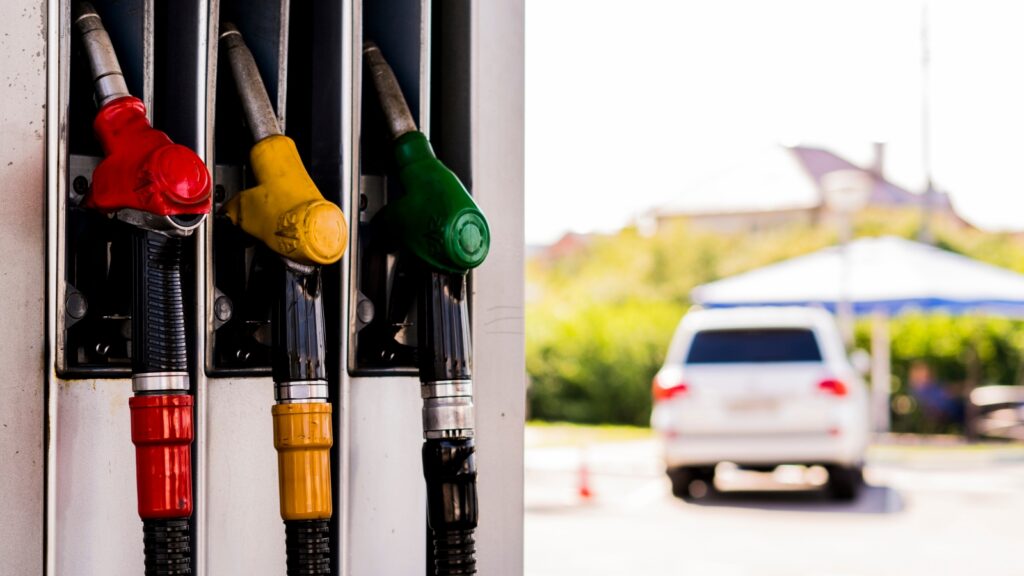
The South African government currently has no plans to intervene to protect motorists from rising petrol and diesel prices.
The Minister of Mineral and Petroleum Resources, Gwede Mantashe, revealed this in response to questions in Parliament.
Mantashe said that the department continues to administer fuel prices as prescribed by legislation, with daily under-recoveries pointing towards R30-per-litre petrol prices.
However, he noted that his department is currently reviewing the regulatory accounting system, which will ultimately adjust margins across the fuel chain.
That said, this process is only expected to be completed by March next year – six months from now.
The minister blamed the basic fuel price component of the price structure for the rise in local fuel prices, with this driven by geopolitical volatility outside of South Africa’s control.
Mantashe revealed this after Finance Minister Enoch Godongwana last week explained that the National Treasury’s hands are also tied when it comes to offering South Africans relief.
Treasury was able to ease the burden on motorists by cutting the fuel tax components of prices in April, but revealed that this will have future fiscal repercussions.
Godongwana explained that cutting the tax component from fuel prices removed billions – R17 billion to be exact – in foregone tax revenue from the budget.
He added that this will have to be recovered in other ways, including cutting department budgets, raising other taxes or turning to more borrowing.
Economists have noted that while Godongwana has yet to rule out another round of temporary relief, this is highly unlikely.
The minister revealed the government cannot fully insulate consumers from the fuel price crisis, since doing so is not the purpose of the budget.
Instead, he explained that fiscal policy is meant to support sustainable public finances, debt stabilisation, and economic growth.
“Responding to cost-of-living pressures arising from external shocks is therefore part of a broader whole-of-government programme and depends on the effective implementation of these measures,” he said.
Recalculating the formula
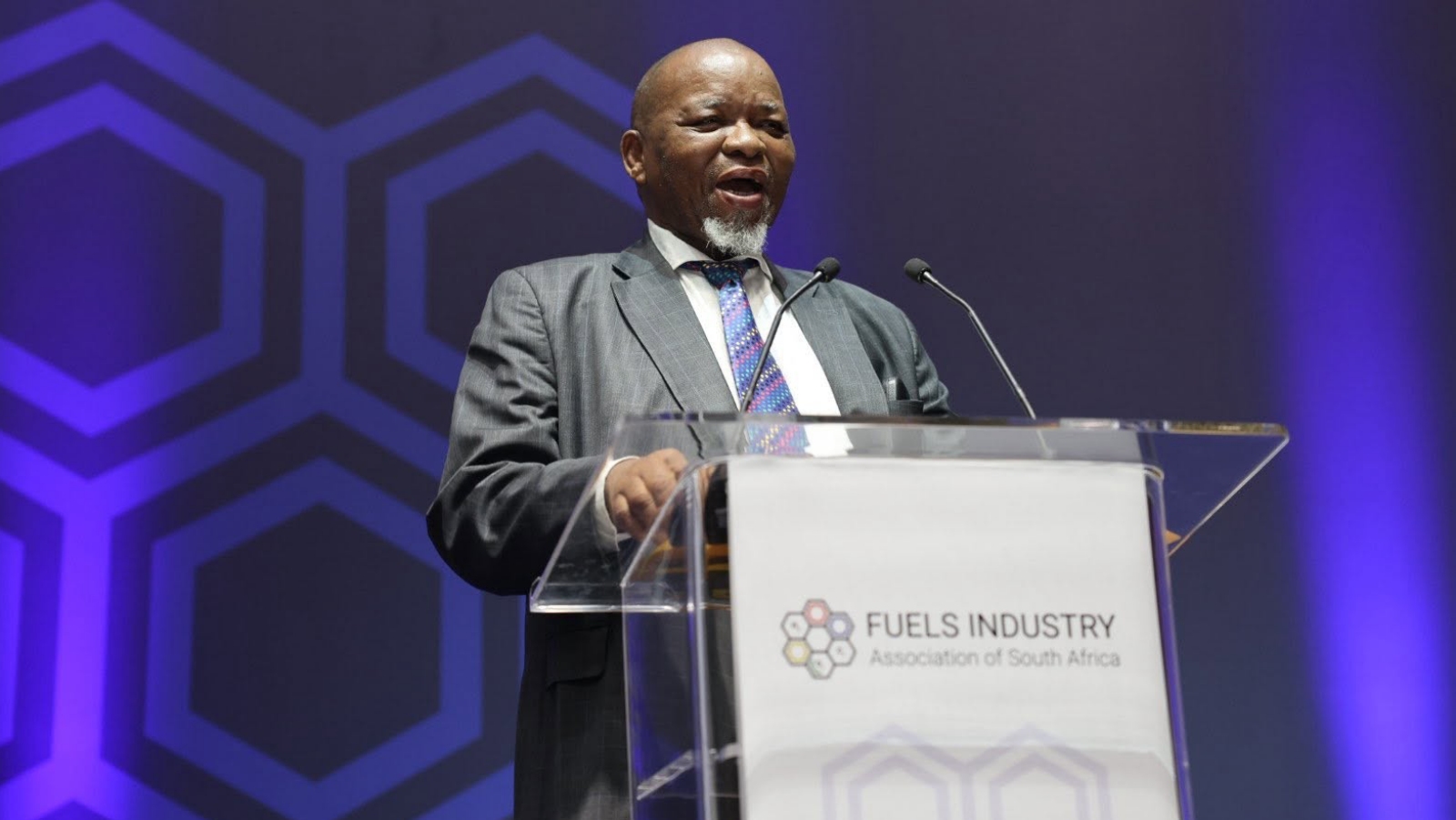
The South African government proposed two years ago that it would review the fuel price formula to find ways to reduce the cost for motorists, but results are yet to be produced.
In 2024, Mantashe said motorists should pay only R14 per litre for petrol and diesel in South Africa, pointing to add-on taxes like the General Fuel Levy and Road Accident Fund Levy as the cause of prices over R20 per litre.
“Our argument is: you are distorting the price of fuel. Let’s find the formula to separate these things and have the price of fuel visible,” the minister noted.
In June 2026, his department published its Annual Performance Plan for 2026/2027, revealing that it was proceeding with its review of the nation’s fuel price formula.
It outlined that the review should be completed in the current financial year and should be finalised before 31 March 2027.
The plan added that the review is a critical strategic intervention, especially with 2026’s fuel prices putting household budgets under intense pressure.
The department is conducting a comprehensive review of administered prices, including the fuel price formula.
It outlined that it would examine the Regulatory Account System and four key margins that influence the pump price of fuel, including:
- Retail
- Storage
- Wholesale
- Distribution
According to Mantashe, the department requires extensive data for the review, including information from industry submissions, consumer and product price indices, exchange rates, and international benchmarks.
Our sister publication MyBroadband asked the department for an update on the plan given the alarming uptick in fuel prices, but it hadn’t responded by the time of publication.





 Loading ...