
New driving laws for 151 municipalities in South Africa


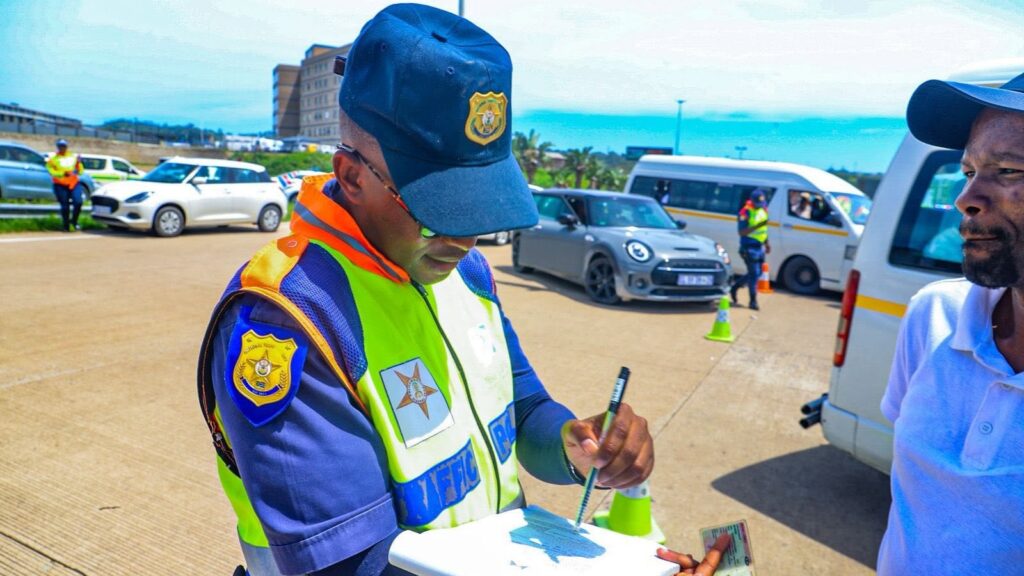
South Africa’s rollout of the Administrative Adjudication of Road Traffic Offences (AARTO) Act to all municipalities across the country could come as soon as next month.
That is because the Road Traffic Infringement Agency’s (RTIA) annual performance plan for 2026/27 outlines an expected phase 3 introduction of the Act to all 151 municipalities during the third quarter of the year.
As a result, South African motorists can expect implementation anywhere between October and December 2026.
The new driving laws took effect in 62 municipalities on 1 July 2026, when the second phase of the rollout commenced.
Under the new AARTO-enforced laws, traffic violations carry different monetary values, with total fines calculated by multiplying R100 by the penalty points assigned to a specific offence.
Infringements are then served electronically via the AARTO website, through confirmed email and other digital addresses, or regular mail, while sensitive notices are sent as Registered Mail.
Motorists who are fined can receive a 50% discount if they pay within 32 days. Failure to do so will result in a courtesy letter that adds a R100 fee and revokes the discount.
Those who fail to pay within another 32 days will receive an enforcement notice and receive another R100 fee increase.
Once an enforcement order is received, the infringer is blocked from renewing their vehicle licence disc and driver’s licence, or registering new vehicles until the order is resolved.
With Phase 3 expected to be implemented soon, this leaves only the implementation of the final phase of the AARTO Act to be confirmed.
Once implemented, Phase 4 will introduce the demerit point system and rehabilitation programme.
Under this programme, motorists start with zero demerit points, incurring a varying number of points depending on the severity of their transgression.
When a motorist exceeds 15 points, they will see their licence suspended for three months for every point over the limit, during which time driving will be treated as a criminal offence.
Once a motorist’s licence is suspended for a third time, it will be permanently cancelled, and the motorist will be required to retake their learner’s and driver’s tests to receive a new card.
In Phase 4, the government will provide a rehabilitation service for suspended drivers, allowing them to shave time off their ban if they complete the course.
The big concerns with the new AARTO laws
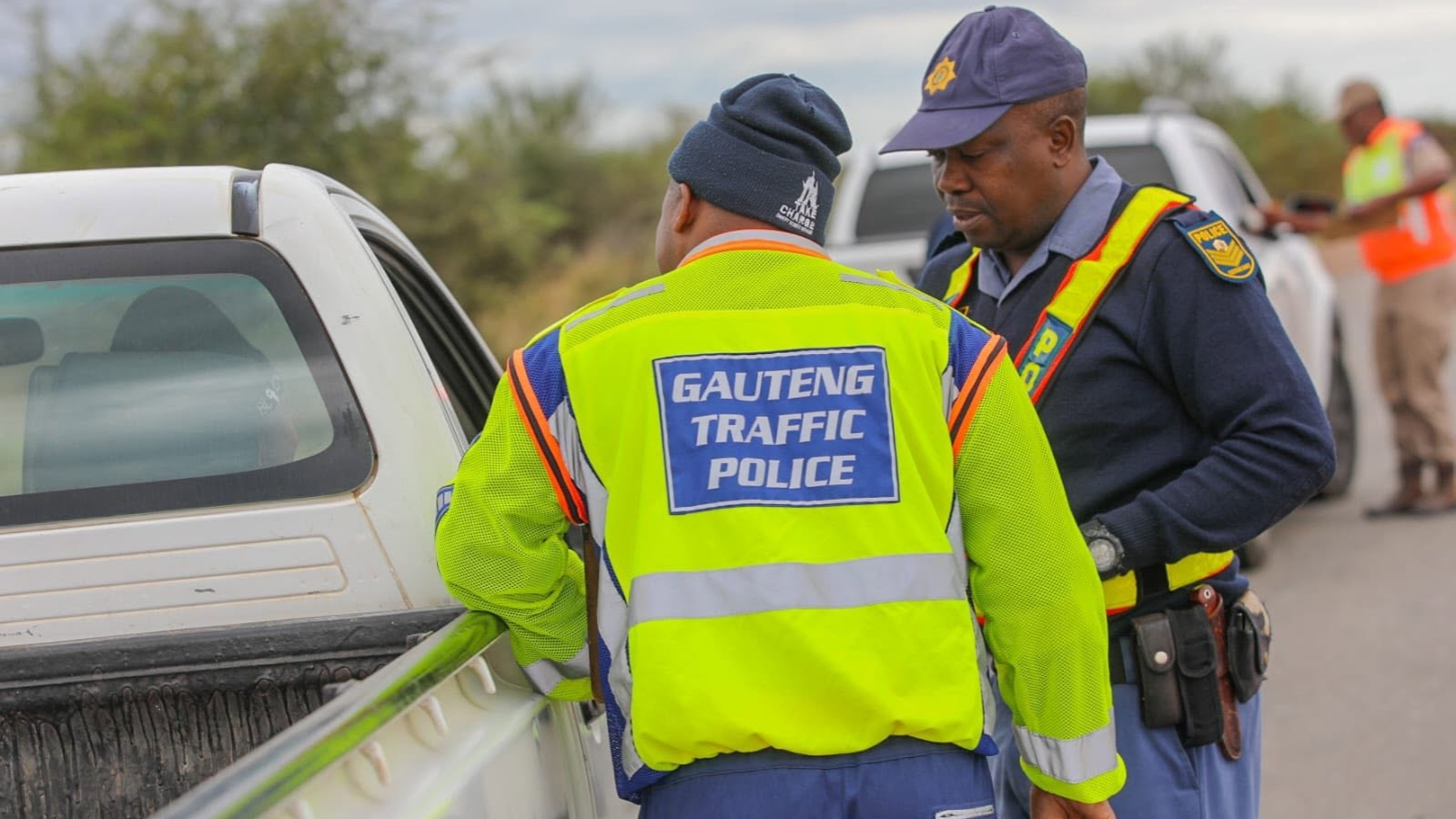
One of the biggest critics of the AARTO Act, the Organisation Undoing Tax Abuse (OUTA), has warned that motorists may be fined for infringements they did not commit.
The organisation’s CEO, Wayne Duvenage, warned that number plate cloning is a common issue in South Africa and could cause severe problems under the new system.
“Let’s say your number plates are cloned, which happens very often, by the way. It’s not your vehicle. You’ve sold your vehicle. The fine comes after, and the system’s not updated,” he told Newzroom Afrika.
“You will be picking up fines that potentially belong to other people because of cloned number plates. It is a serious problem in South Africa.”
Duvenage added that without the necessary up-to-date safeguards in place, the AARTO system poses a significant threat to motorists’ livelihoods.
“Motorists become anxious because they are picking up demerit points that are not theirs. If you’re a driver, a sales rep, or a person who relies on vehicle transport, your jobs are then in jeopardy.”
This is not the first time OUTA has been critical of the AARTO system, and the organisation even launched several attempts to block the implementation of the second phase of the rollout.
Shortly before Phase 2 launched, OUTA launched an urgent High Court application to suspend it since the government implemented the new laws without the necessary legal safeguards required to protect motorists.






 Loading ...

-facelift-2-2025.10.webp)

Conversation
2 commentsAnother way to scam motorists