Jetour in hot water over T1 and T2 SUV claims in South Africa


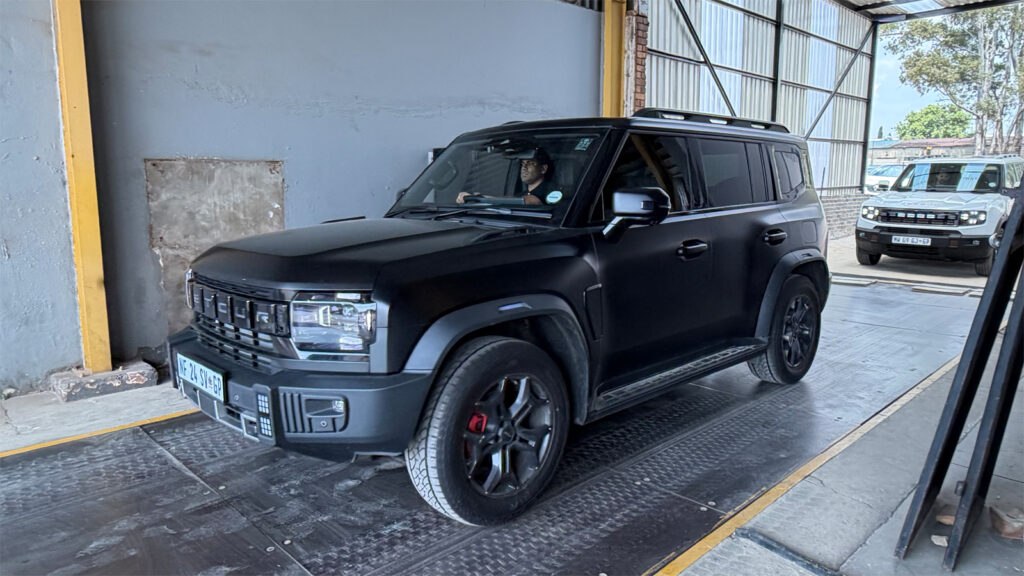
Chinese carmaker Jetour has come under fire from the Automobile Association (AA) of South Africa over its inconsistent payload capacity ratings for the T1 and T2 SUVs.
The T1 and T2 are Adventure SUVs that have proven to be incredibly popular with local buyers, with Jetour seeing a massive uptick in sales following their introduction.
However, the T-badged models were soon flagged for their unusually low official payload capacity of just 300kg.
Payload capacity refers to the maximum weight that a vehicle can safely carry, including passengers, luggage, and accessories.
A capacity of just 300kg means that loading the car with five adult passengers is potentially already enough to overload the vehicle, even before bags and other items are factored in.
This became a point of concern for the T1 and T2 that was flagged by consumers, media houses, and safety regulators.
Jetour responded to these concerns in August 2026, announcing that it had consulted the National Regulator for Compulsory Specifications (NRCS) over the homologated payload capacity for the T1 and T2.
As a result, the claimed rating for the SUVs was revised from 300kg to 475kg, even though no mechanical changes had been made.
“Based on the approval obtained from the NRCS, Jetour South Africa confirms that the approved payload capacity applicable to the relevant Jetour T1 and T2 model range is 475kg, inclusive of the driver,” it said.
This was flagged by the AA, which questioned how Jetour had improved the cars’ payload figures without changing the vehicles in any way.
The association said that, without independent testing, this was a case of the manufacturer “marking its own homework.”
“This poses a significant safety risk to T1 and T2 occupants – a payload capacity cannot simply increase by almost 200kg with zero attention to structural integrity,” the AA said.
AA conducts its own Jetour T1 and T2 tests
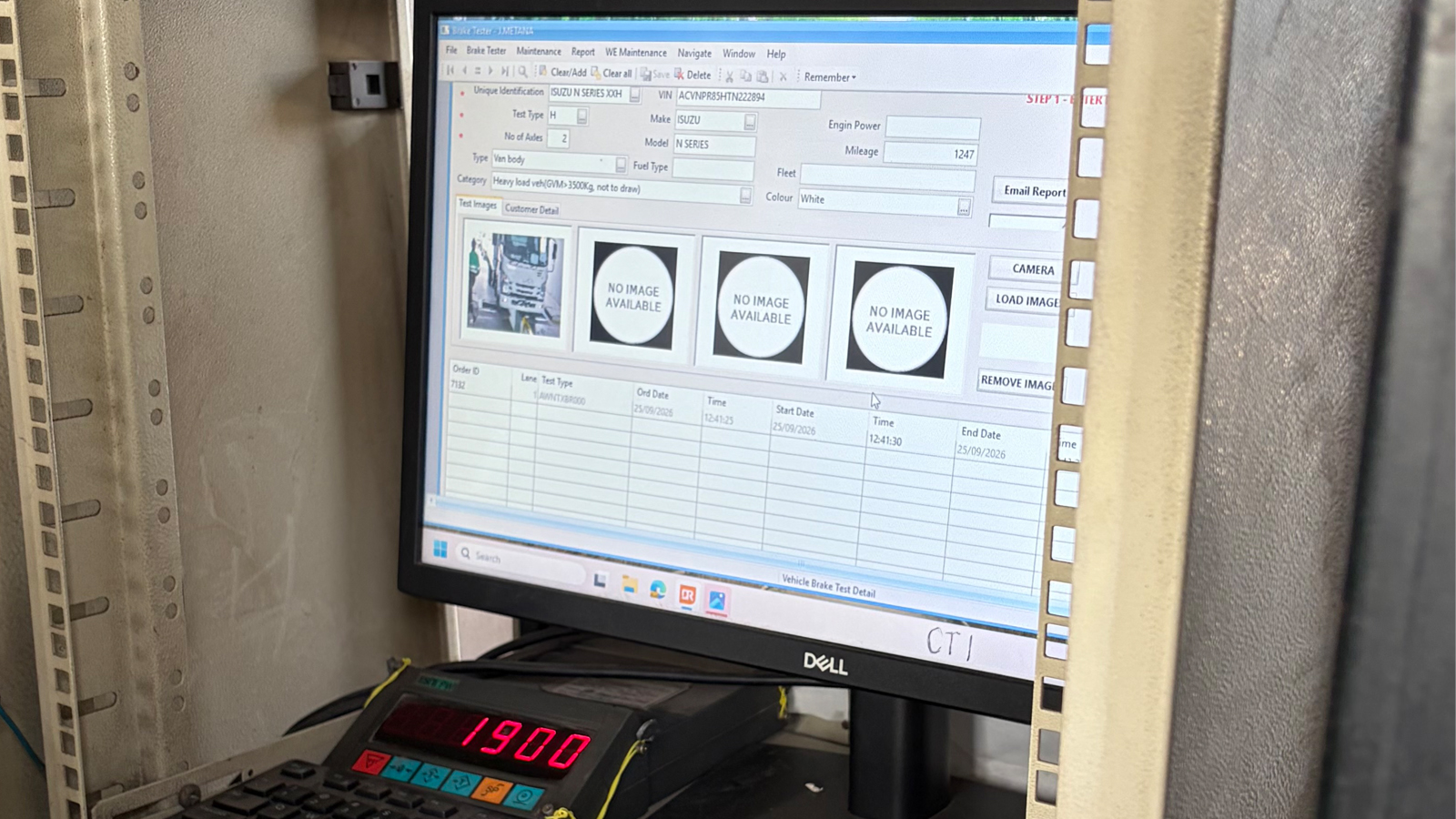
Following a consultation with the AA, the NRCS conducted an independent payload capacity test for the T1 and T2 units sold locally.
“The concerns raised by the AA are threefold: the validity of the revised payload figures from an initial rating of 300kg to 475kg (with no mechanical upgrades), the fact that the rating applies to new and existing models on our roads, and that the NRCS grants these approvals based on global lab reports submitted by the automaker, as opposed to local and independent verification,” said the AA.
The SUVs were tested at a weighbridge at the Clayville Testing Centre in Gauteng last week. These were the results:
| Vehicle model | Actual weight | Revised Gross Vehicle Mass | Payload variance |
|---|---|---|---|
| Jetour T1 Odyssey 2.0TD | 1780kg | 2,308kg | 538kg |
| Jetour T1 PHEV 1.5T | 1940kg | 2,448kg | 508kg |
| Jetour T2 Odyssey 2.0T | 1880kg | 2,380kg | 500kg |
| Jetour T2 PHEV 1.5T | 2060kg | 2,538kg | 478kg |
| Jetour T2 Xplora 2.0T | 1900kg | 2,355kg | 455kg |
The AA flagged the Xplora’s payload variance of 455kg, 20kg less than the official figure of 475kg.
It said it has asked Jetour for clarity on this finding and reminds Xplora owners to bear this rating in mind when loading their vehicles.
“Of greater concern is that the NRCS has confirmed that Jetour’s application for the revised payload rating for the T1 is still in the approval process, meaning that both new and existing T1 customers are still subject to the vehicle’s original homologated payload rating of 300kg,” it said.
“This contradicts what the automaker stated a few weeks back, claiming at the end of August that “based on the approval obtained from the NRCS, Jetour South Africa confirms that the approved payload capacity applicable to the relevant Jetour T1 and T2 model range is 475 kg, inclusive of the driver.”
The association said it is still concerned over the lack of mechanical improvements to explain the revised payload capacity.
“The AA can also confirm that a solution for updated licensing of existing T1 and T2 cars, which reflect the revised GVM numbers, has not been reached with the road traffic authorities,” it said.
“This implies that existing owners are, by law, still subjected to the lower weighting listed on their licence discs in a roadblock or at a weighbridge.”
The AA insisted that Jetour issue a recall for all affected customers and advise them of the legislative and law-enforcement risks associated with the licence disc weight-rating.
“Jetour owners currently face considerable consequences from traffic authorities in a roadblock should a concern be raised over weighting being applied to the vehicle. The end-of-year holiday season will only be a catalyst for this concern,” it warned.

 Loading ...