


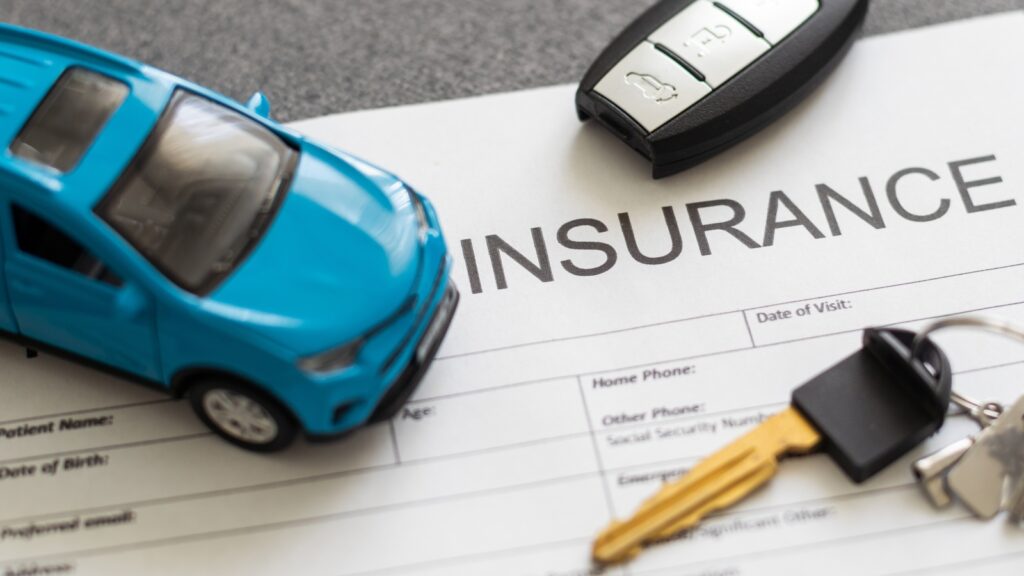
As more South African car buyers choose electrified options, including battery electric vehicles (BEVs) and plug-in hybrids (PHEVs), the local insurance landscape is also changing.
According to Russell Davis at Aon South Africa’s Broking Centre, insurance works differently with electrified vehicles simply because of their different risk profile.
An electric vehicle’s coverage involves high-voltage lithium-ion systems, sophisticated technology, expensive battery components and, in some cases, different repair and recovery requirements.
“Batteries have a high energy density, which makes them an effective way to store the large amount of energy needed to power a vehicle,” he explained.
“But that energy density also introduces risks that are different from those associated with a conventional petrol or diesel vehicle.”
Under certain circumstances, physical damage, overheating, short circuits, manufacturing defects, or overcharging can cause thermal runaway.
This self-sustaining reaction within a battery cell can release significant heat and may result in a fire or other hazardous conditions.
Davis points out that this does not mean that EVs are inherently unsafe, but it does mean an accident involving an EV may require a different approach to assessment, recovery and repair.
Any impact may damage the high-voltage battery system even when the damage is not immediately obvious, meaning trained technicians must assess it before it is considered safe to repair.
“Determining whether a damaged battery can be safely repaired or a replacement is necessary can also have a substantial impact on the cost of a claim,” said Davis.
For this reason, EV claims are likely to involve greater repair complexity and uncertainty than conventional internal combustion vehicle claims.
“Insurers are still building claims data around accident frequency, repair costs, battery replacement, theft and recovery requirements as the market develops,” added Davis.
“The insurance landscape is likely to continue evolving as more EVs enter the market and insurers accumulate more data, repair networks mature, and specialist skills become more widely available.”
He added that motorists should not assume that an EV will automatically be cheaper or more expensive to insure.
Instead, they should ask what is covered, understand the risks and compare the actual policy rather than the premium alone.
Insurance implications for EV coverage in South Africa

Because EVs are not yet as widespread on South Africa’s roads, repair facilities may lack the equipment, training or certification needed to work safely on high-voltage EV systems.
According to Davis, it is important to understand whether your insurer has access to repairers and technicians equipped to move, inspect and repair your specific make and model of EV.
These factors also affect how long it takes to settle a claim, since part availability, specialist assessments and battery diagnostics determine how quickly a damaged vehicle is repaired.
At some point in the future, electric vehicle warranties will no longer be in place, and the owner can use any repairer or transporter, raising the question of whether the motor repair industry will align with OEM standards.
When assessing the risks of insuring an EV, insurers consider how the vehicle is charged, since at-home charging introduces additional considerations.
“It is important to establish whether the charging equipment and the installation need to be disclosed to your insurer and whether the equipment itself and the property around it is covered under the relevant policy,” said Davis.
“As it is an electrical installation, it is also important to confirm whether your installation is compliant with regulatory standards.”
Battery fires also behave differently from conventional vehicle fires, and the battery itself contains the energy required to sustain thermal runaway, which can generate intense heat and toxic gases.
“The practical takeaway is that the consequences of a serious battery incident are different and need to be taken into consideration by insurers and emergency responders,” added Davis.
“It becomes particularly relevant if a vehicle is stored inside a garage, underground parking area or other enclosed space.”
EVs also require a different approach to roadside assistance, since running out of fuel and running out of stored energy in an EV differ.
The same goes for an EV involved in an accident, since it may require specialised recovery procedures depending on the condition of the high-voltage system.
That said, as the number of EVs on South African roads grows rapidly, so too will the industry’s understanding of the risks they present.



 Loading ...
-facelift-2-2025.10.webp)
