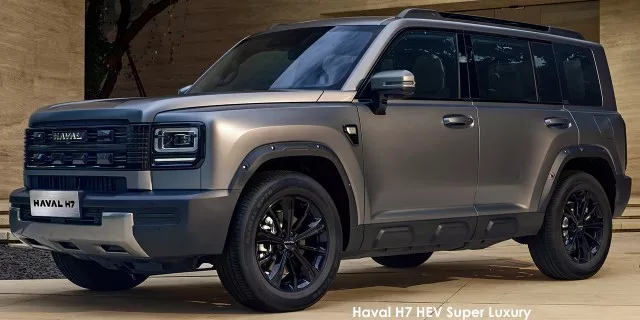
The country very similar to South Africa that lost all of its car factories


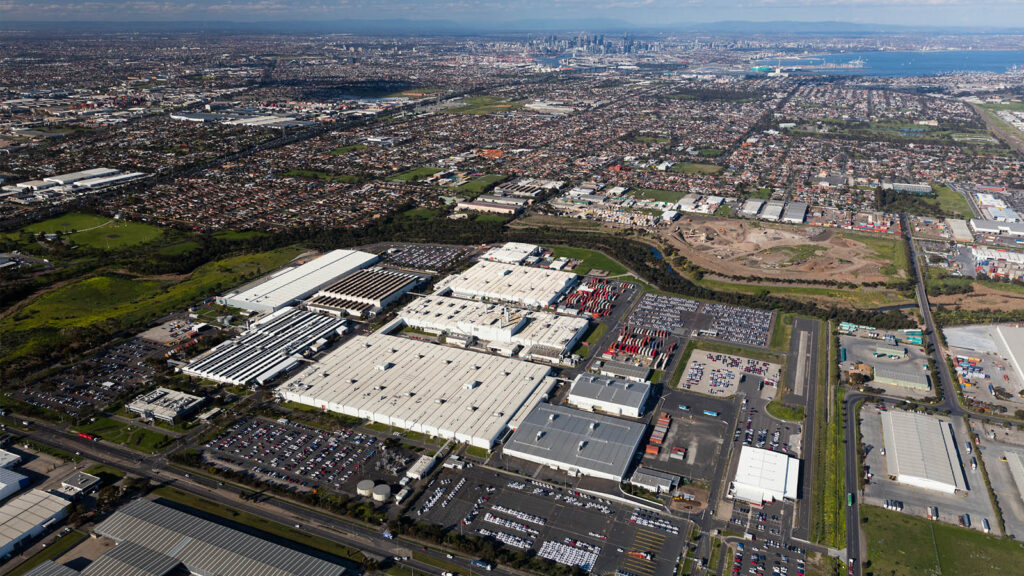
Australia has shut down every single one of its major car factories over the last 10 years, effectively putting an end to an industry with a history dating back over 100 years.
The Land Down Under used to have a thriving automotive sector, with multiple factories from major international brands that produced hundreds of thousands of units per year.
It was comparable to South Africa, which has its own car industry dating back to the beginning of the 20th century and is home to seven major factories operated by brands such as Ford, Toyota, Isuzu, BMW, Mercedes-Benz, VW, and Chery (which acquired its factory from Nissan).
The two countries also have similar tastes in cars, with pickup trucks (known as bakkies in South Africa and utes in Australia) dominating the yearly sales charts.
However, Australia’s car industry collapsed in the 2000s due to a combination of domestic and international factors, which ultimately led to the closure of all its production plants.
The first cars produced in Australia date back to the early 20th century, when coachbuilding companies like Holden & Frost expanded their business to include scaled-up production of models built on imported chassis.
However, the country’s manufacturing sector kicked into high gear after World War II. In 1948, Australia celebrated the production of its first locally mass-produced car, the Holden 48-215.
Over the decades, several car brands established factories in Australia, including Ford, Toyota, Mitsubishi, Nissan, and Holden (General Motors), which produced a range of passenger cars and light commercial vehicles.
At its peak in the 1970s, Australia was one of the world’s leading car producers. Local plants manufactured nearly three times as many cars as the domestic market bought each year, reaching an all-time peak of 475,000 units in one year.
However, the industry later fell into decline due to shifts in consumer preferences, unfavourable trade conditions, and the rise of new competitors from Asia.
The first issue was the shift in motorists’ buying habits. For decades, Australia’s car industry had been dominated by sedans, estates, and utes, but by the mid-2000s, consumer preferences had shifted towards small, efficient hatchbacks and larger family SUVs.
Between 2006 and 2016, sedan and estate (station wagon) sales plummeted from over 130,000 units to under 40,000 units.
This affected companies such as Ford, Toyota, and Holden, which continued to produce sedans such as the Falcon, Camry, and Commodore into the 2010s.
However, an even bigger issue came in the form of international competitors. Australia had historically protected its car industry with steep tariffs on imported models, reaching up to 60% in the 1980s.
In 1984, the Motor Industry Development Plan (or Button Car Plan) was introduced to modernise the country’s car industry and reduce tariffs, which dropped to 15% by 2000, and 5% by 2010.
Free trade agreements with countries like Thailand, Japan, and South Korea then allowed imported cars to arrive at competitive prices.
This was exacerbated by the strong Australian dollar at the time. Thanks to its thriving mining industry and a weakened US dollar, the Australian dollar reached a historic high in the late 2000s.
This made imported cars even cheaper for Australian buyers, while their exported cars became uncompetitive in markets like the Middle East and North America.
Finally, Australia’s car factories struggled to remain profitable due to economies of scale, as the country’s domestic market is still fairly small by global standards.
This meant that manufacturers were competing for a relatively small customer base and became more reliant on exports to sustain their business, putting them in competition with China’s emerging car industry.
All of these pressures eventually became too much for the car companies to bear, leading to the closure of every mass-production factory by 2017.
Mitsubishi closed its assembly plant in Adelaide in 2008, and Ford shut down its plants in Geelong and Broadmeadows in 2016.
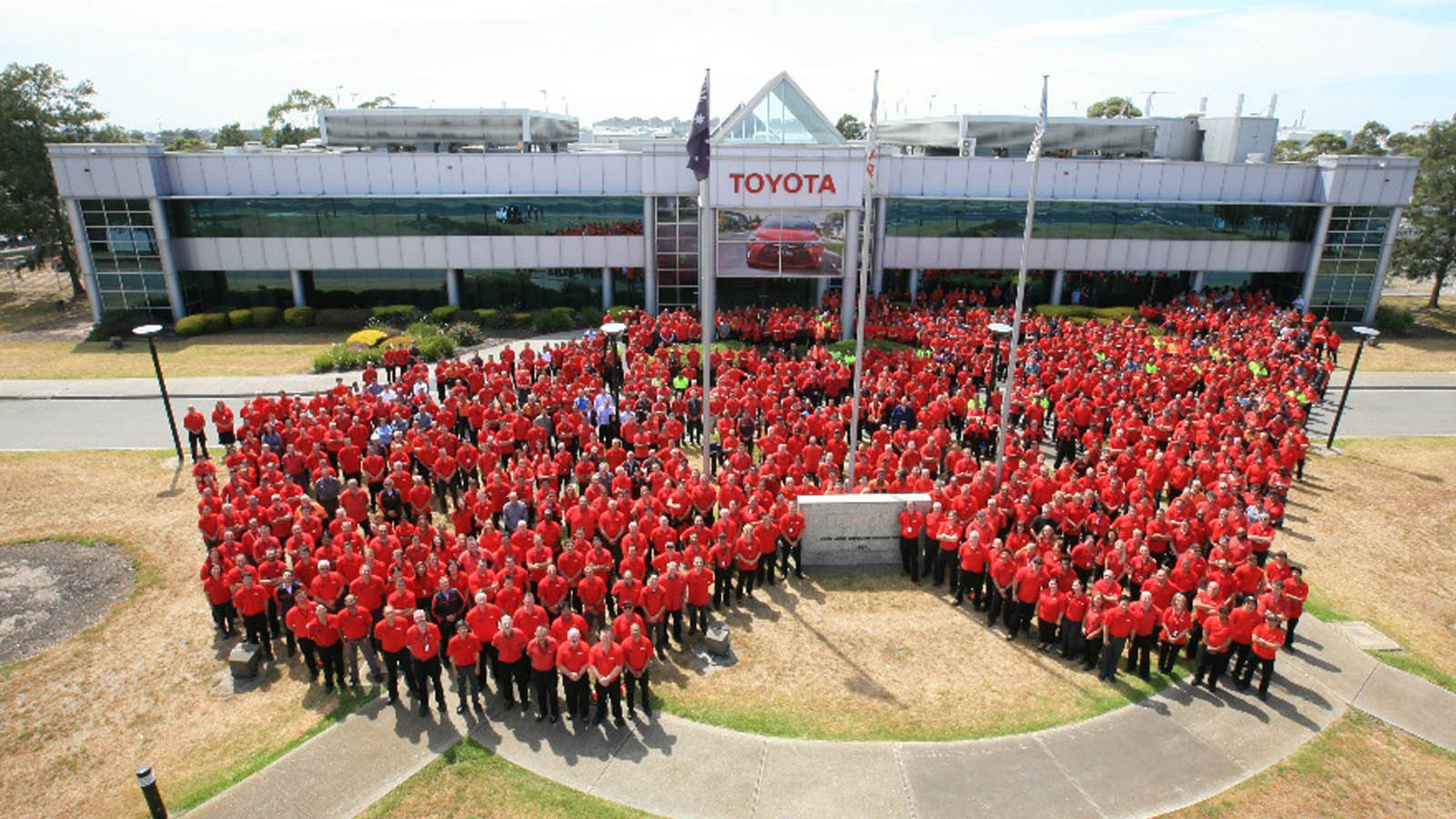
Toyota’s factory in Altona shut its doors in 2017, and Holden followed the same year, ending production at its facility in Elizabeth in South Australia.




 Loading ...