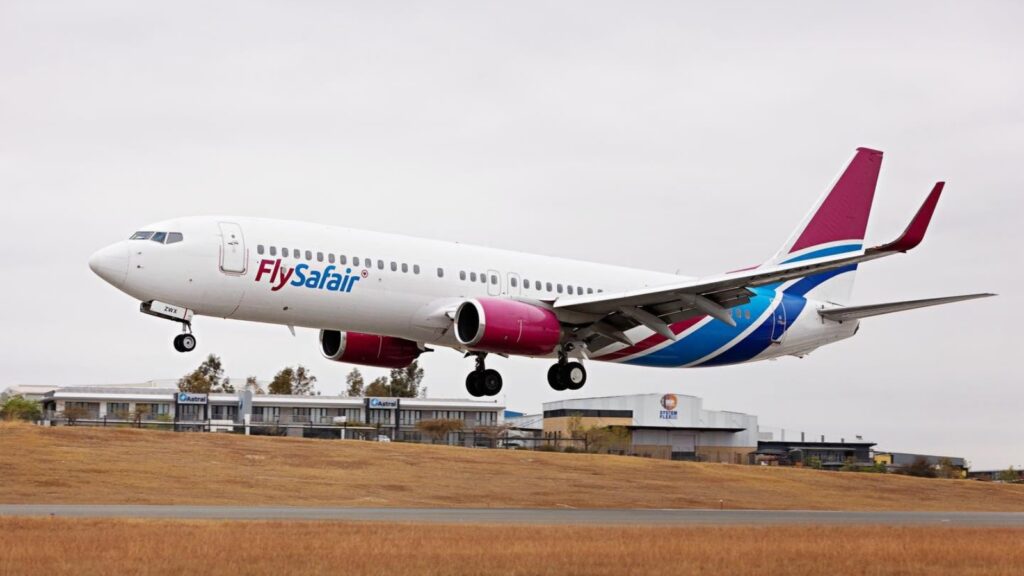
As the 2026 South African festive season and peak flying period approaches, it is looking increasingly likely that flight prices will be significantly higher than they were last year.
Worldwide jet fuel prices have skyrocketed since the conflict in the Middle East erupted, spiking 70% in South Africa in the first week of the yet-to-be-concluded war between the US and Iran.
As a result, local airlines and domestic carriers were forced to place additional jet fuel surcharges on tickets, in an attempt to remain financially stable and continue operating.
What was meant to be a short-term solution turned into a new reality for most of 2026, and airlines have been unable to remove these surcharges as jet fuel prices remain elevated due to the unresolved Middle East crisis.
Some flight ticket surcharges to holiday destinations like Zanzibar and Mauritius add an extra R1,000 or R1,200 per ticket.
“The sustained increase in jet fuel costs has placed significant pressure on the cost of operating flights,” Kirby Gordon, Chief Marketing Officer at FlySafair, told TopAuto.
He added that, for a low-cost airline like FlySafair, keeping fares affordable depends on maintaining tight control over its operating costs, but fuel is an expense over which it has very little control.
When the airline initially introduced these surcharges, it anticipated applying them until May 2026, hoping the Middle East situation would be resolved sooner than it has.
“As the conflict in the Middle East persisted, and the associated pressure on jet fuel prices continued, we subsequently updated the market on its extended application,” noted Gordon.
“The surcharge responds to exceptional cost pressure, and its duration and extent will continue to depend on how that pressure develops.”
He explained that it would be premature to commit to a firm end date while conditions remain uncertain.
Planning for the coming peak season

FlySafair explained that it recognises that its passengers are also feeling financial pressure this time of year, which is why its focus remains on pricing ahead of the peak season.
“Our approach is to keep the underlying cost of flying as low as possible through efficient operations and careful cost management, limiting the extent to which higher costs need to be passed on,” said Gordon.
“The surcharge helps us manage the additional fuel expense while continuing to provide the connectivity and reliable service our customers depend on.”
The airline’s peak season planning is concentrated on delivering a dependable operation while managing its costs carefully, and should fuel prices remain elevated, it will have to respond to that reality.
Gordon noted that the airline would welcome a sustained easing in fuel prices, but added that it is difficult to predict if and when that will happen.
“For planning purposes, we need to work with the conditions we face rather than assume an imminent recovery,” he said.
“In fact, analysts are warning us that any recovery is bound to be fairly gradual due to the dynamics of infrastructure damage and the need for producers to increase production of jet fuel to correct the supply to world markets, hopefully resulting in price easing.”
That said, FlySafair remains optimistic about the coming festive flying season, as travellers are still showing interest in flying, giving the airline reason to be positive about demand for festive-season travel.
“South Africans continue to value the opportunity to take a holiday, reconnect with family and friends, and explore the country,” said Gordon.
For those who do plan to fly during December, the airline advised booking early, since fares vary according to demand and the availability of seats on each flight.
“Securing travel well ahead of departure gives customers the best opportunity to access lower fares and their preferred dates. That is particularly important over December, when popular flights can fill quickly,” he added.





 Loading ...