5 signs you are buying counterfeit car parts in South Africa


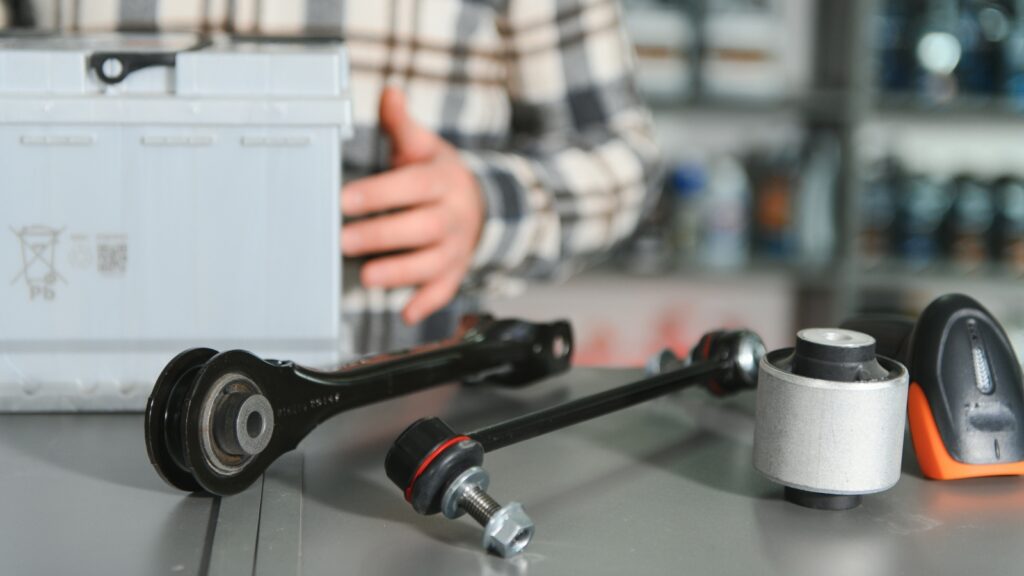
As South Africa grapples with an automotive parts shortage, low-quality counterfeit parts have made their way to our shores and are putting drivers’ lives at risk, but there are ways to spot and avoid them.
According to Parts Mall, the situation has become so serious and widespread that the Retail Motor Industry Organisation has established a dedicated counterfeit-reporting line.
Industry commentary has also linked component failure from fake parts to a real share of preventable breakdowns and accidents on South Africa’s roads.
In a discussion about counterfeit goods in our market, experts Waal de Waal and Jarred West explained that organised crime networks in South Africa have expanded beyond typical consumer goods into critical automotive components.
The experts flagged these automotive counterfeits as life-threatening because component failures directly endanger driver and public safety.
They added that criminal networks rely heavily on transport vehicles to distribute counterfeit goods and move contraband across domestic supply chains.
Local operators, referred to as “runners”, routinely deploy small bakkies to transport illicit stock from storage facilities to wholesalers and retail shops.
Parts Mall explained that the parts most commonly faked are exactly the ones you don’t want to get wrong, including brake pads, suspension arms, tyres, ignition coils and airbag modules.
It added that South Africa’s vehicle parc is ageing past eleven years on average, most of that fleet is out of manufacturer warranty, and demand for affordable replacement parts keeps climbing.
This has created exactly the kind of high-volume, price-sensitive demand that attracts counterfeiters, but avoiding these counterfeiters and their fake parts can be tricky.
“A copy brake pad or a copy suspension arm is cheaper to produce than a genuine or properly manufactured aftermarket one, and to an untrained eye on a shelf, the two can look almost identical,” said Parts Mall.
Spotting the fakes
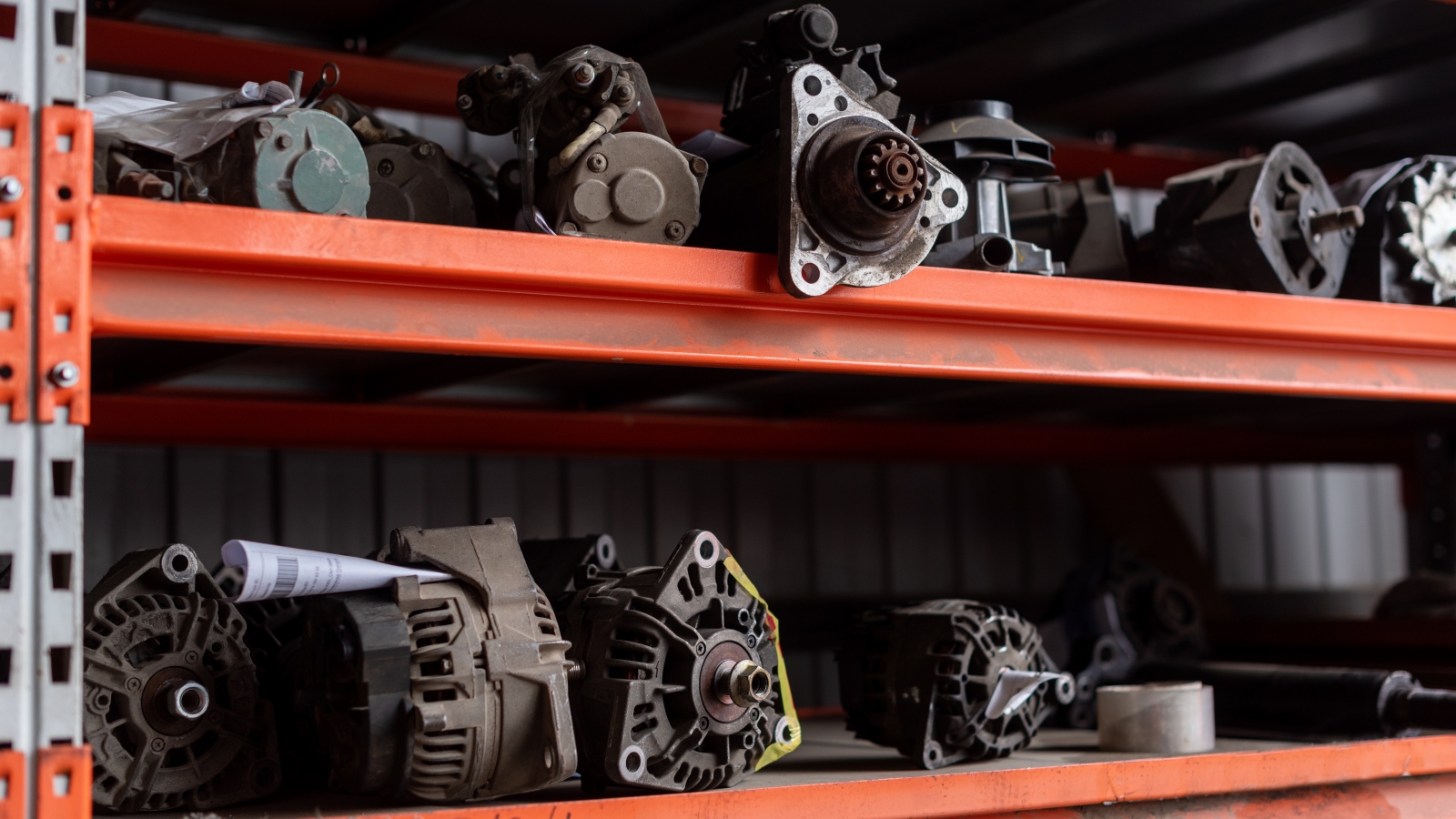
Parts Mall noted that there are several key ways to spot a fake and avoid it altogether, and explained what to do if one of these duped parts is fitted to your car.
The first, most obvious thing to check is the part’s packaging, since genuine and properly branded aftermarket packaging is consistent.
This includes sharp print, a real batch or lot number, a barcode that actually scans to the right product, and packaging that matches every other unit of that part on the shelf.
Slips also need to be checked for correct details, as well as warning signs like blurred print, a barcode that’s been reused from something else, a security seal that’s missing, torn, or obviously reapplied.
“If the box looks like it was printed on a home printer, treat that as your first warning, not a minor detail,” said Parts Mall.
Once you’ve checked the packaging and slip, the next step is to check the part itself, not just the box it came in.
The supplier explained that weight is one of the fastest tells when it comes to counterfeit automotive parts.
“A copy brake pad or suspension component is frequently lighter than the genuine equivalent because it’s made from inferior or reduced material, exactly the shortcut that leads to premature failure,” it said.
“Look for a manufacturer’s mark or date code moulded or stamped into the part itself, not just printed on a sticker that can be swapped between boxes.”
Casting and machining quality also matters, so rough edges, inconsistent finishes, and threads that don’t turn smoothly can be signs of a part that was never meant to survive a normal service life.
Asking where a part comes from is crucial, and a legitimate supplier can tell you, without hesitation, where a part was manufactured and which distributor or agent it came through.
“If a supplier can’t answer where a part came from, or the invoice doesn’t match the part in your hand, walk away rather than negotiate on price,” noted Parts Mall.
Finally, if the price looks too good to be true, asking why can determine whether a part is genuine or counterfeit.
“Genuine manufacturing, testing and quality control cost money, and that cost is reflected in the price of a properly made part,” the supplier said.
“A price that sits well below every other quote for the identical part number is rarely a bargain. It usually means something was skipped to make that price possible.”
If you suspect you may have fitted a counterfeit part, stop using it, and don’t wait for it to fail. Keep the packaging and invoice, and report it through the RMI’s counterfeit-reporting channel.
“The fastest way to avoid this entirely is to buy through a network that can already tell you where a part came from,” concluded Parts Mall.



 Loading ...