


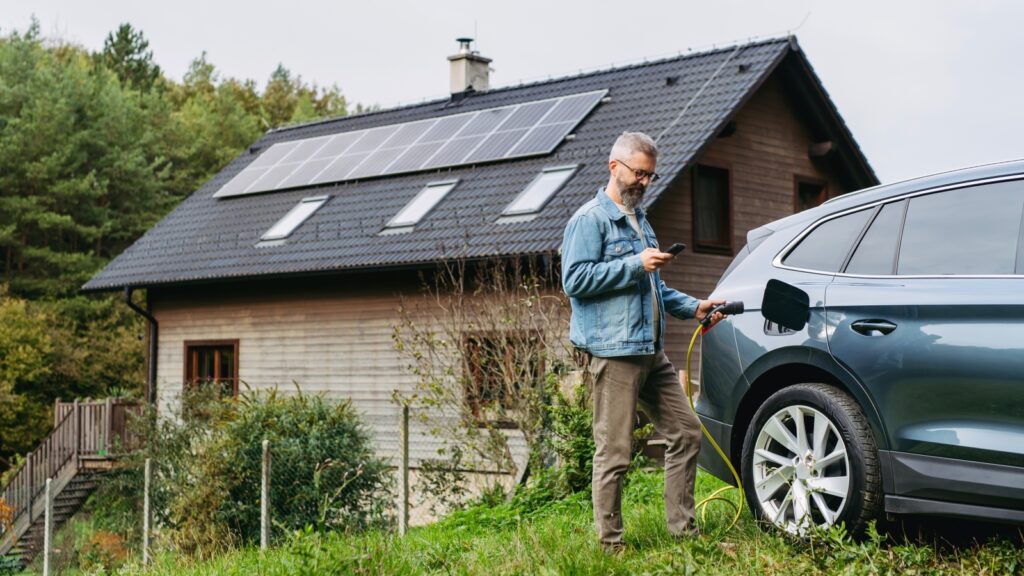
South African motorists can cut their monthly fuel costs by about 90% and pay around R85 to drive 400km, but they need to trade a petrol car for an electric one and install solar at home to do so.
Current inland petrol prices hover around R30 per litre, depending on octane rating, meaning a vehicle achieving an average fuel consumption 7.0l/100km burns R840 of petrol to travel 400km.
According to a case study in the GoSolr Electric Vehicle (EV) Light Paper, these costs can be cut significantly by going electric.
The case study is based on real-world tracking by GoSolr co-founder and CTO, Dr Patrick Narbel, who logged costs across his first 5,000km of driving an electric car charged largely from his home solar system.
The report notes that the CTO’s EV, when fully charged, provides approximately 400km of range, allowing for an easy cost comparison on a full charge.
The report also provides a direct cost and savings comparison against a traditional petrol baseline:
| Energy source/vehicle | Cost per 400km | Cost vs petrol |
|---|---|---|
| Efficient petrol car | R550 | Baseline |
| EV (grid charging only) | R281 | 49% savings |
| EV (70% solar-powered) | R85 | 85% savings |
| EV (peak summer solar) | ~R0 | ~100% savings |
“Charging my car from the grid alone costs roughly R281, and with around 70% of that energy coming from my own roof, the effective cost of a full charge falls to about R85, dropping to nearly zero in high summer,” explained Dr Narbel.
“Covering that same 400km in the efficient petrol car I used to drive would have cost about R550 in fuel.”
For the average motorist driving between 1,000km and 2,000km per month, these savings are compounded and result in significant long-term savings.
That said, the up-front capital investment in buying an entry-level EV and installing a solar system to charge it is quite a bit higher than buying an entry-level petrol car and buying petrol every month.
A winning charging strategy
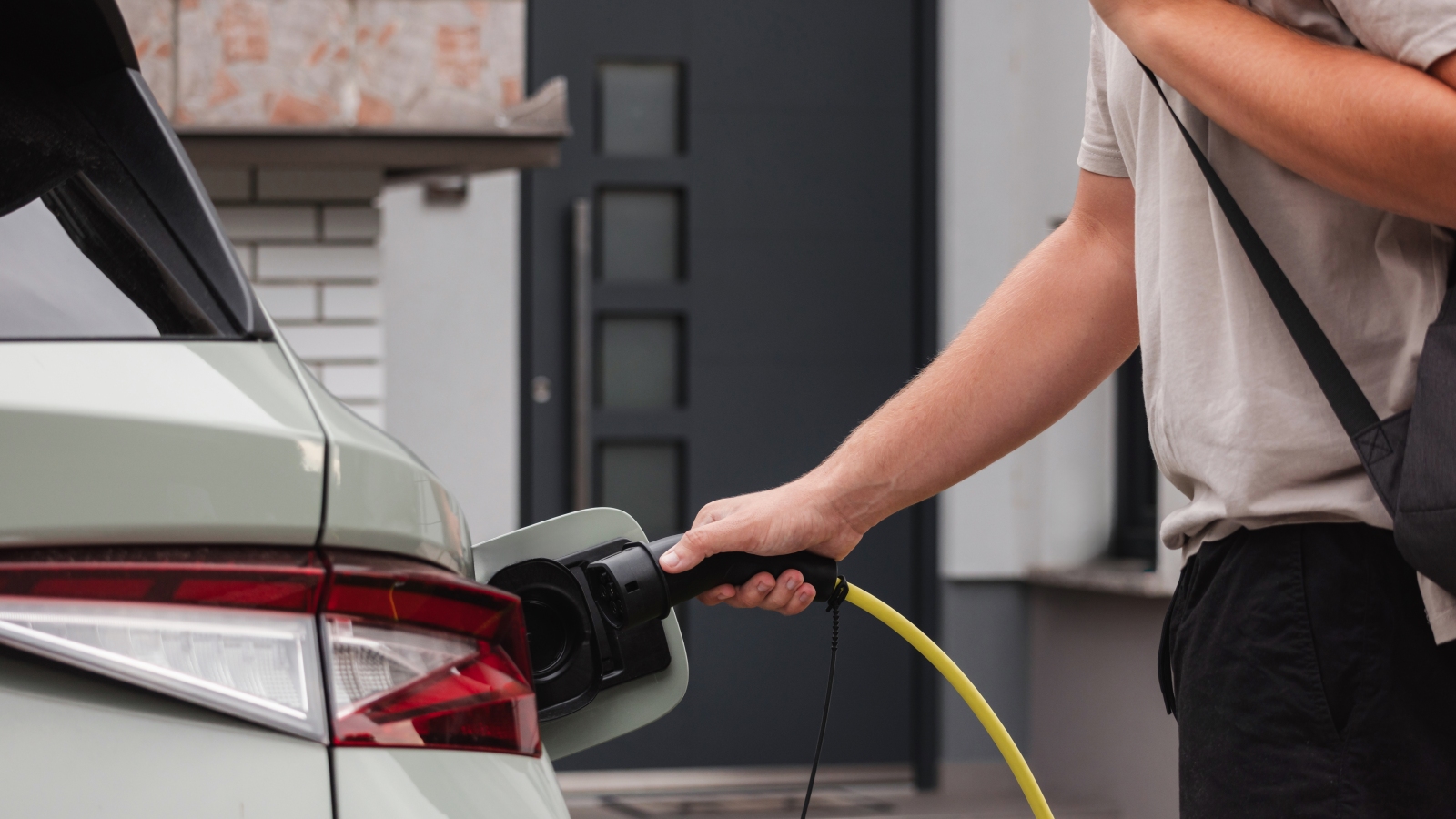
According to the report in the EV Light Paper, the CTO’s savings were not an accident or fluke of good weather, but the result of a deliberate setup and charging strategy.
To maximise savings, instead of public charging, Dr Narbel used an at-home solar setup featuring a hybrid inverter, 15kWh of battery storage, and just over 8kW of rooftop solar panels.
He also used a dynamic EV charger that automatically times the vehicle’s charging to match the hours when the sun is actively generating power.
Charging habits also play a major role in savings, and because an efficient EV rarely requires charging more than once a week, charging can be planned.
Drivers who do not travel great distances daily, like Dr Narbel, can wait for daylight hours over a weekend rather than pulling electricity from the national grid at night.
In the case study, the CTO explained that around 70% of his annual charging comes straight from the sun, with that proportion expected to climb further as daylight hours lengthen throughout the summer.
The paper also highlighted that self-generation insulates EV owners against rising fixed electricity tariffs.
“Fixed charges are built to catch you before you switch anything on, but they cannot touch the units you make yourself,” it said.
“Self-generation does not just lower your bill; it steadily removes you from the game being played with tariffs.”
GoSolr CEO Andrew Middleton added that the fastest way to back your own energy future is to put the power source somewhere you can see it, own it, and count on it, like your roof.
“Pairing rooftop solar with an EV just makes sense: you charge through power outages and slash your running costs, all while leaving our beautiful planet in a better place,” he said.





 Loading ...



Conversation
1 commentsOne also need to take into account the cost of the solar system installed and battery replacement cost, due to how many discharge cycles the solar system battery/ies last.
So, it is not just solar power for free. Yes, some people may already have a system installed, but the effect of battery cycles must be impacted.