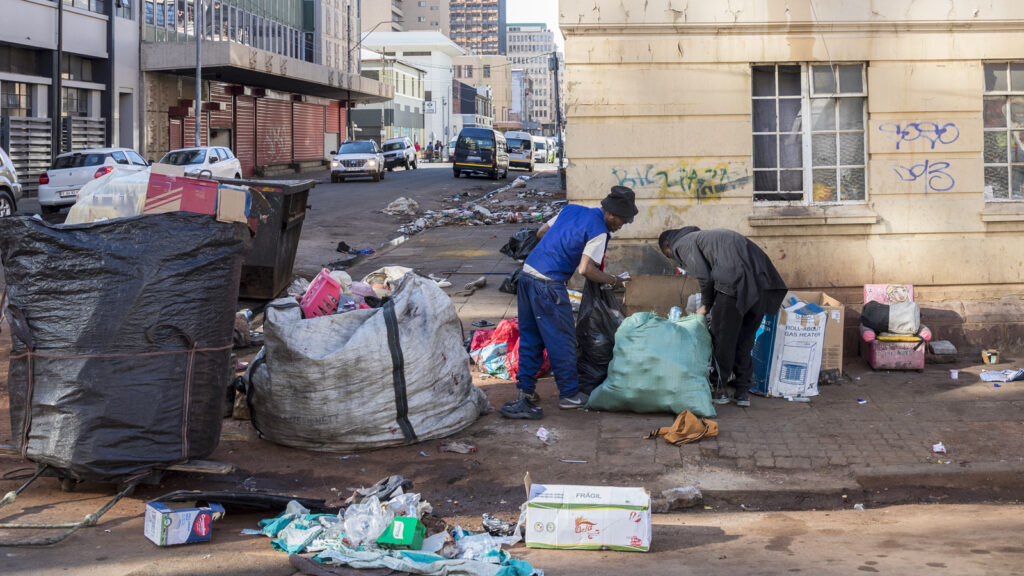
Nearly 300 staff at the Bidvest McCarthy Group.
Approximately 950 employees at Continental’s factory in the Eastern Cape.
This is how many jobs were reported as being on the line in South Africa’s automotive sector on 20 November alone.
The announcements were not only concerning in their own right, but for the sector as a whole – following years of increased pressure on automotive companies.
In August, the National Association of Automotive Component and Allied Manufacturers (NAACAM) said that 7,500 jobs had been lost across the country’s auto-parts industry in the last three years.
It added that, over the same period, an estimated 15 businesses across the sector had also closed their doors.
This was soon followed by the Trump administration’s decision in November to exclude South Africa from the African Growth and Opportunity Act.
Raymond Parsons – an economics professor at North-West University – said the country’s automotive sector will likely suffer job losses as a result.
While these immediate threats played out, the European Union – South Africa’s biggest vehicle export market – was in the final stages of planning new rules for vehicles sold in the region.
The rules will require manufacturers to take responsibility for the full lifecycle and recycling of vehicles.
According to the Motor Industry Staff Association (MISA), these new regulations will force local manufacturers to comply – or risk locking South African-built vehicles out of Europe.
If South African manufacturers are not compliant, up to 500,000 formal jobs in the country could be at risk.
The Eastern Cape is at particular risk in this regard, as it is home to four major car factories.
Trade Minister Parks Tau stated earlier in 2026 that the Eastern Cape was in desperate need of new investment to keep its auto sector alive.
Tau added that global trade measures require South Africa to adapt its industrial and export strategies.

Important sector
South Africa’s automotive sector is worth over R500 billion per year, according to 2023 data.
This makes it a crucial sector to the local economy, contributing 4.9% of South Africa’s GDP.
As a result, any negative trends in the industry which affect jobs can have a large impact on the employment rate in the country.
Making matters worse for South Africa is that leading vehicle manufacturers are cutting jobs across many of their operations.
In September, VW’s board approved a plan to cut 50,000 jobs globally and reduce the number of models in its lineup.
VW has extensive operations in South Africa, building and exporting thousands of vehicles per month.
Less than a week after VW’s announcement, Jaguar Land Rover said it was also cutting jobs. 4,000 staff were set to be affected, as competition from Chinese manufacturers intensifies.
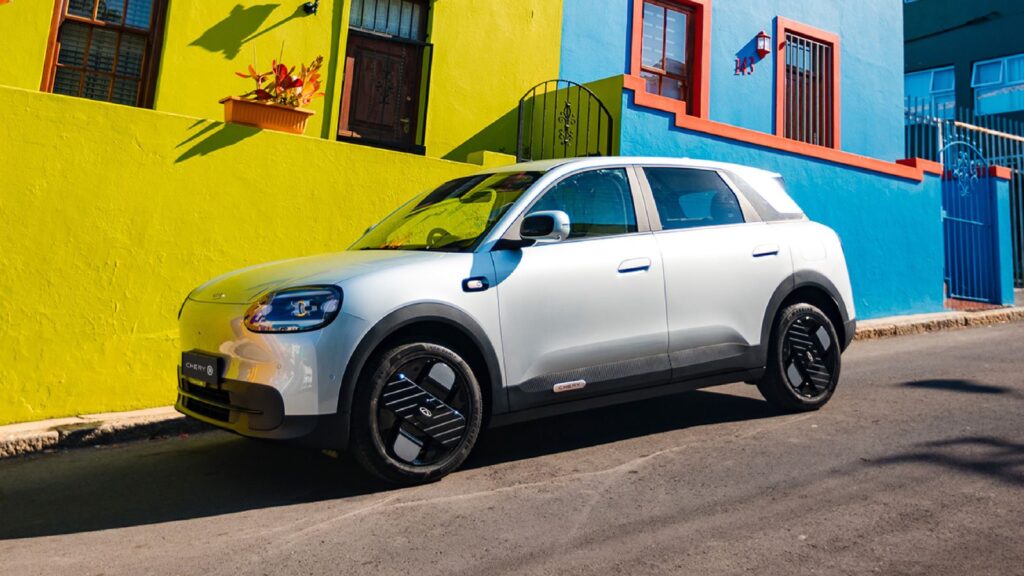
The impact of Chinese brands has already affected South Africa’s automotive manufacturing sector, with Nissan announcing in 2026 that it was selling its Rosslyn factory to Chery.
After operating it for more than 60 years, Nissan said its decision to sell the factory was motivated by external factors affecting the site’s utilisation and long-term viability.
At the same time, Nissan announced that it was expanding its car-manufacturing facilities in Egypt – and planned to invest R740 million as part of the plan for the country.




 Loading ...