


The Eastern Cape, home to four major car factories, is in desperate need of attracting new investment and keeping its automotive industry alive.
This is according to Trade Minister Parks Tau, who told the Eastern Cape Export Symposium that more needs to be done to implement the government’s national industrial strategy.
He added that the European Union’s (EU) Carbon Border Adjustment Mechanism (CBAM) and other global trade measures require South Africa to adapt its industrial and export strategies.
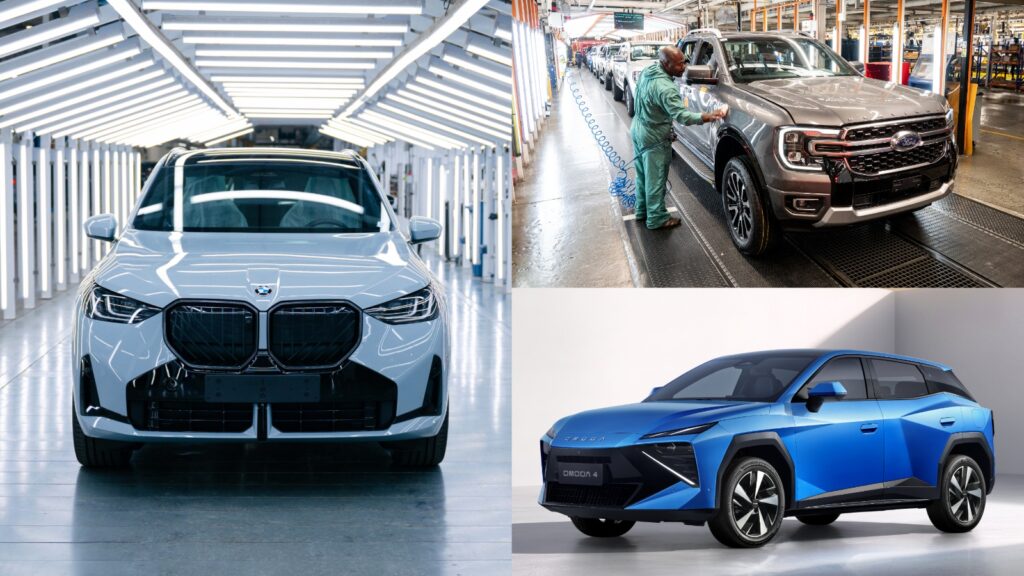
Currently, the province is home to some of the country’s most important exporting factories, including VW’s Kariega Plant, the Mercedes-Benz plant in KuGompo City (East London), and the Isuzu bakkie-building plant in Gqeberha (Port Elizabeth).
These factories serve as major players in the local automotive sector, employing thousands of workers both directly and indirectly and keeping the province’s economy alive, exporting thousands of cars each month.
In July, VW broke its local production record with 17,009 units rolling off the production line, of which 12,280 were exported. In the same month Mercedes-Benz managed 4,400 exports.
Joining the other three badges is the Beijing Automotive (BAIC) plant in the Coega Special Economic Zone (SEZ) near Gqeberha, which assembles the BAIC B40 Plus and the Beijing X55 Plus.
While the other three brands have geared their factories to be major high-volume exporters, the BAIC factory assembles models aimed at local buyers instead.
Despite all of these factories’ continued performance and significance, challenges at local government level, including systematic and structural issues could undermine future investment.
According to the minister, resolving these challenges would help accelerate the decarbonisation measures needed to sustain critical industries such as automotive manufacturing.
“There is a need to transform our automotive sector’s current difficulties into opportunity, by developing an end-of-life vehicle policy and positioning the province as a leader in the renewable energy space,” he said.
The province needs to adopt EU standards
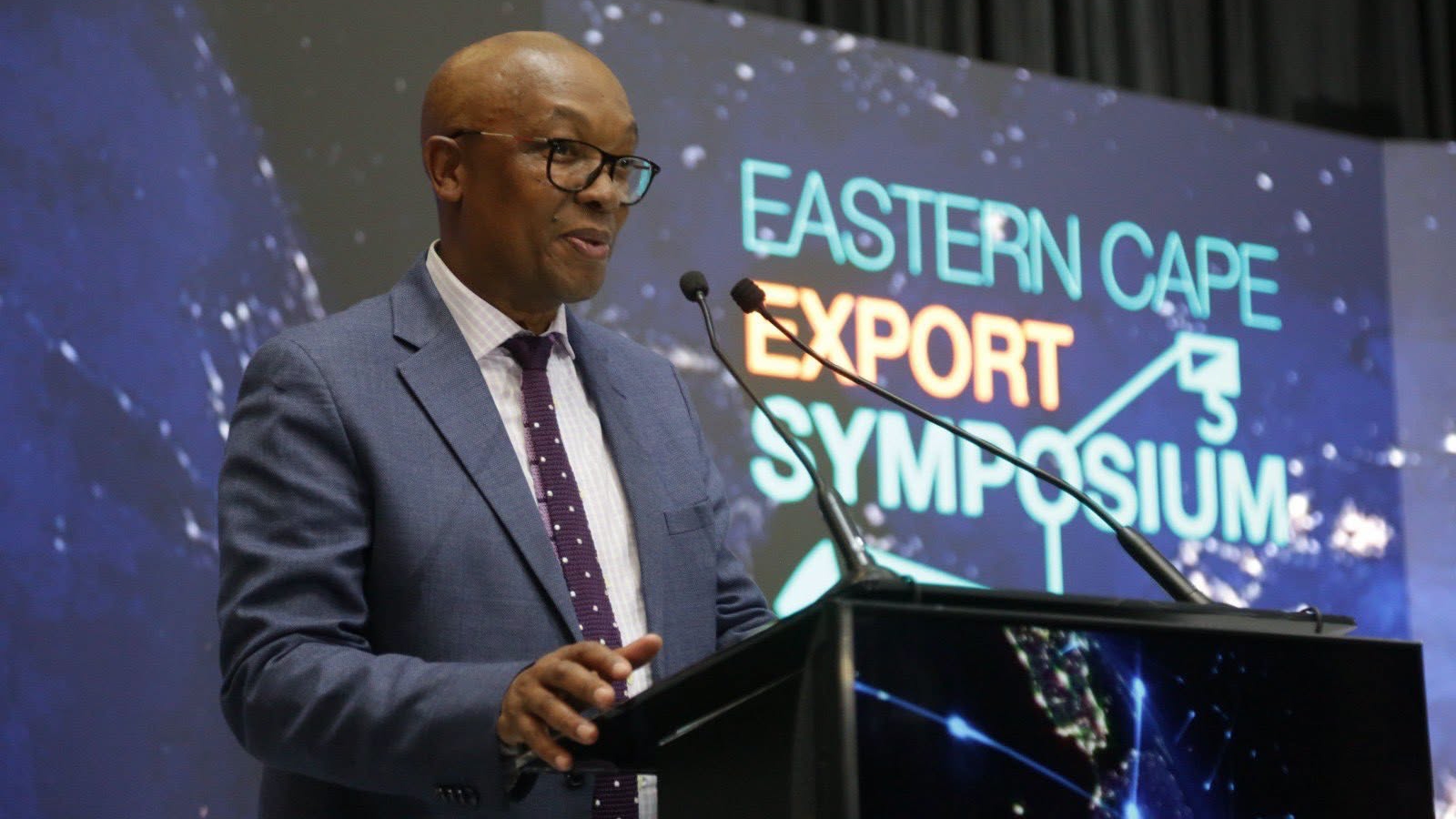
In his address, the minister noted that decisions in the local auto sector need to be taken well in advance, considering the long lead times involved in production and investment decisions.
He added that it is important to understand future production decisions in the automotive sector, including energy production and logistics.
“The EU measures have a significant impact on local government and industries, and that is why I’m emphasising the need for support for our national strategy to address these challenges,” Tau said.
The province now needs to move quickly to adapt to global environmental and trade requirements to remain competitive and prevent production and market share from shifting to other countries, like Morocco.
The North African nation has already overtaken South Africa as the continent’s biggest car producer, while Nissan has traded Pretoria for Cairo.
“Our response is to make decarbonisation part of industrial policy, and not separate from it,” the minister declared.
“Our new Industrial Development Strategy places decarbonisation, diversification and digitalisation at its centre.”
According to the minister, the government is working with the Industrial Development Corporation (IDC) and international partners to achieve this.
He went on to outline measures to strengthen South Africa’s export capacity, including the expansion of the Export Credit Insurance Corporation of South Africa to serve emerging exporters directly.
The minister’s department is also reviewing the National Exporter Development Programme to help develop more automotive sector exporters in the country.
According to Tau, these initiatives will be implemented alongside the Eastern Cape Provincial Government, the Eastern Cape Development Corporation, Special Economic Zones and industry partners.



 Loading ...
Conversation
2 commentsMy shadow has been cast down on the whole earth due unfair story I am saddened by the fact that I was killed while living in South Africa I a’m aslo bieng abused at work with the intention of making me lose my job as I am currently staying at home I have two children from different mothers. Government he’s uses his power in a negative way how does he separate the child from his culture what is the court law over the world for the people who support children’s through the court unfair ✌️💔🐋🌎0626632435