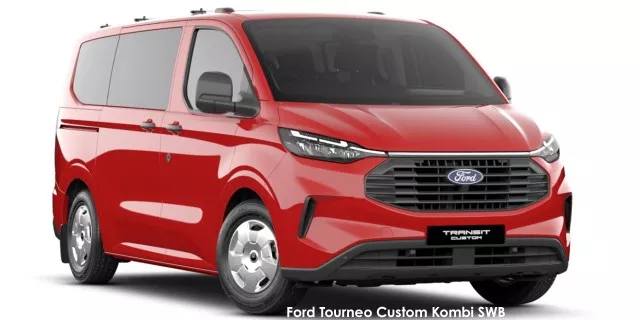
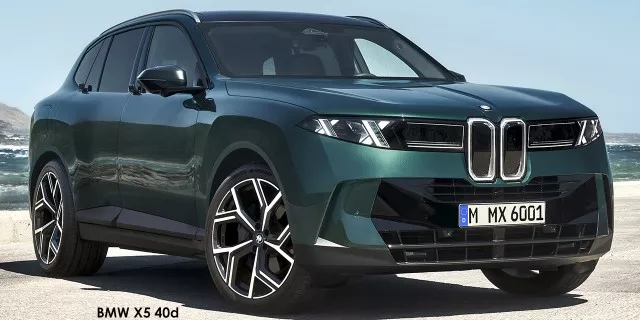
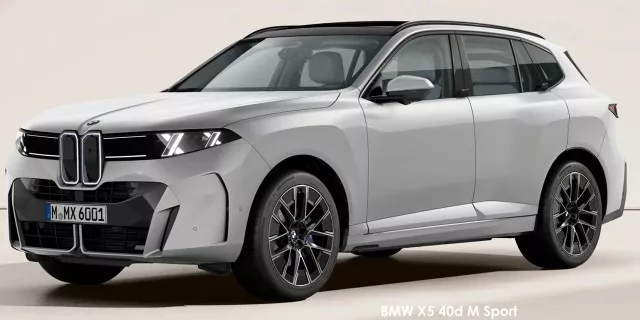
With car prices and stock levels starting to normalise, specials are once again emerging where new vehicles are seemingly sold for big bargains.
However, in the long run, these deals could turn out to be more beneficial for the seller than the buyer, and a healthy dose of skepticism is advised before signing any agreements.
Suzuki South Africa has outlined the most important questions to ask a salesman if you’re planning to buy your next wheels at a dealer-advertised discount.
Is a deposit needed?
If a special advertises low monthly instalments, carefully read the terms and conditions to establish whether a deposit will be needed.
A deposit will require you to put down a once-off payment before taking ownership of the car in order to get to the desired monthly instalment amount, usually around 10% of the sticker price.
If you have the money saved up, it could be a good option to put down a deposit if it will allow you to get your desired car for a lower rate, but if you don’t, the deal may not be the right one for you.
Is there a balloon payment?
A balloon payment, also known as a residual value, is a lump-sum payment that is calculated as a percentage of the vehicle’s cost that must be paid either at set intervals during a loan or at the end.
A balloon also incurs interest over the length of the repayment period, resulting in the final amount payable often being higher than initially bargained for.
While this finance option could assist in buying a car that would otherwise be out of your budget, bear in mind that you will need the cash on hand to pay the balloon at the end of the contract or be ready to trade the car in and cover the outstanding balance.
“If you’re comfortable saving towards the lump-sum payments, or have fixed investments which you know will mature in time to pay the balloon amount, then this is probably a great option for you,” said Suzuki.

What is the interest rate?
The interest rate applicable to the financing contract takes up a remarkable amount of your monthly repayment.
A variable interest rate is linked to the reserve bank’s prime lending rate and fluctuates as the prime rate goes up and down, which could both cause your monthly repayment to rise above what was first agreed upon, or dip below it.
A fixed interest rate, on the other hand, stays constant over the course of the finance agreement and assures stable repayments every month, though it’s often higher than a variable rate.
Before signing the contract, always haggle with the dealer to try and get the lowest interest rate possible as the first deal may not always be the best one.
Is there a payment holiday?
Payment holidays allow a buyer to take ownership of the car immediately, but only start paying it off at a later date. This comes at a cost, though, which is additional interest.
Generally, a payment holiday results in a longer repayment period as the number of months in which you didn’t have to pay is tacked onto the back of the finance period. For example, if you buy a car on a 60-month finance contract but only need to start paying for it three months after taking ownership, the contract will now be in effect for 63 months.
This means the loan amount will accrue interest for a few additional months, resulting in a higher total repayment.

Why is the car on special?
It’s generally assumed that a certain car is on special simply for the dealer to get its name out there and attract a bit of traffic, but it may not always be as innocent.
“It’s completely reasonable to ask this question, and if they won’t give you an answer, something fishy is going down,” said Suzuki.
Can I get a better car?
The special you’re interested in could apply to more cars than one.
A higher-spec car may have a less attractive window sticker, but it could end up costing marginally more than the one that was advertised which results in more bang for your buck.



 Loading ...