This hydrogen-powered Toyota truck could be coming to South Africa


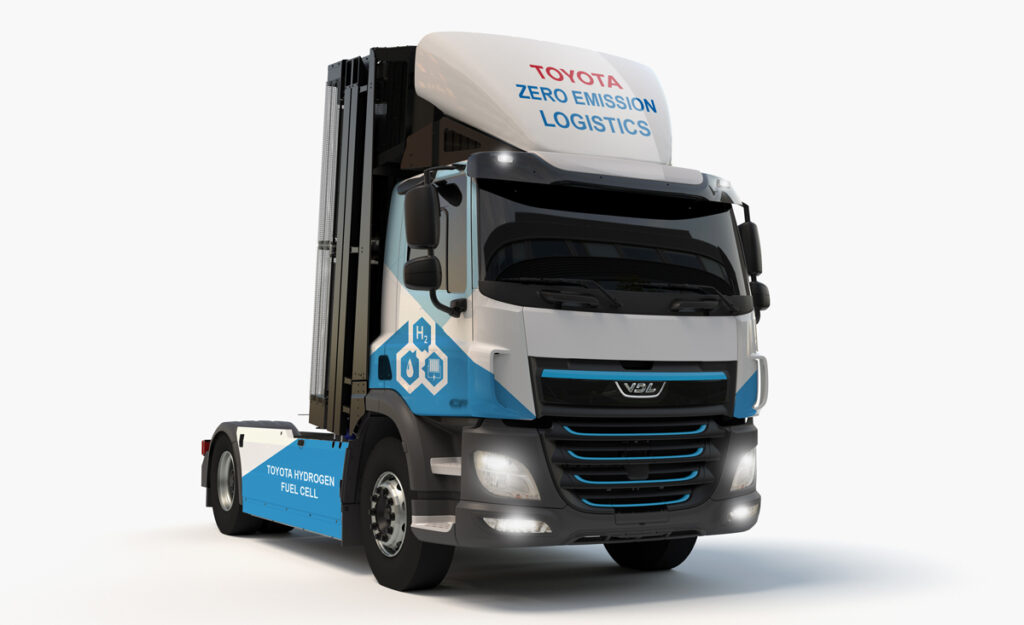
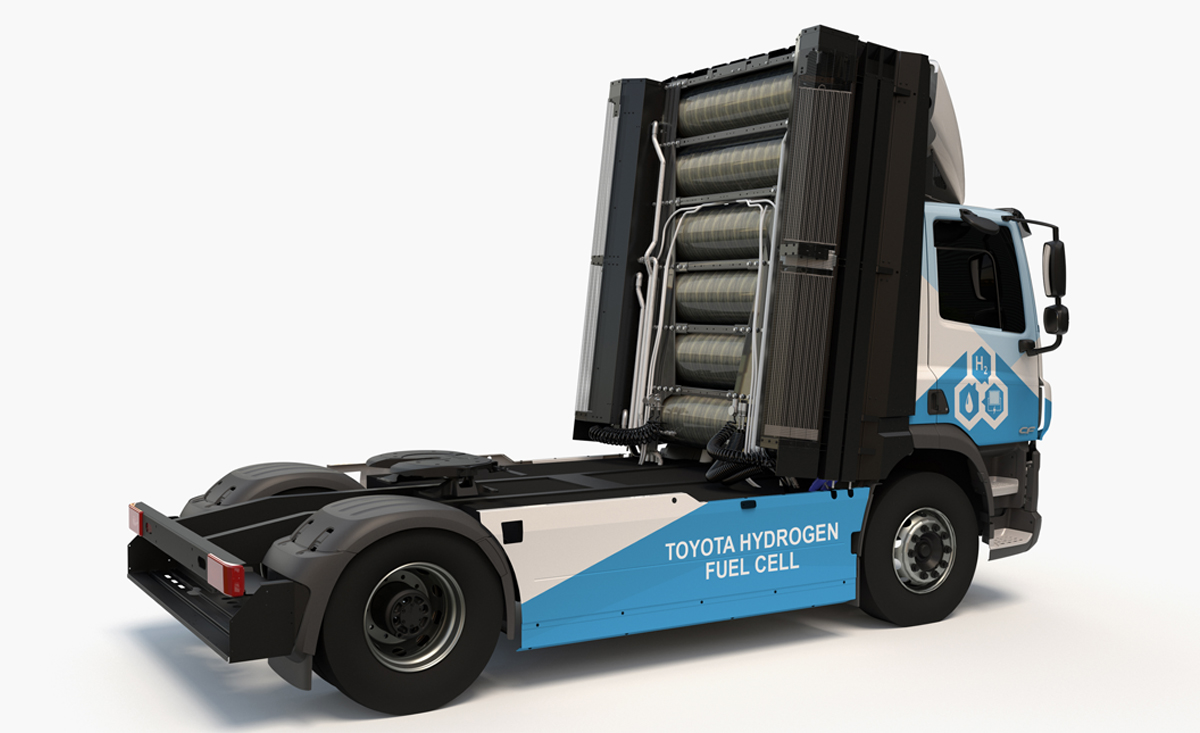
Toyota Europe has partnered with Dutch VDL Groep to start a joint venture for converting existing heavy-duty trucks into “zero-emission carriers” using Toyota-made hydrogen fuel-cell modules.
Currently in prototype stage with the first production model to hit the roads later in 2023, it’s possible that if the fuel-cell truck has success in Europe, it could also be coming to South Africa.
In April 2021, Toyota South Africa (TSAM) and Sasol announced their intention to build a hydrogen mobility corridor in the country as a study on the feasibility of the green technology on local roads.
“Sasol and TSAM will jointly pursue the development of a proof-of-concept demonstration for a green hydrogen mobility ecosystem,” Sasol said in a statement at the time.
“The parties intend to develop a mobility corridor and expand the demonstration to a pilot project using one of South Africa’s main freight corridors, such as the N3 route between Durban and Johannesburg, for hydrogen-powered, heavy-duty, long-haul trucks.”
According to the Department of Science and Innovation’s (DSI) Hydrogen Valley Final Report, published in October 2021, the project would involve procuring:
- Two (2) 17MW electrolyzers that produce 2kTon of hydrogen a year
- Four (4) refueling stations
- Four (4) tub trailers to transport hydrogen to refueling stations
- 100 Hydrogen fuel cell-powered trucks
The corridor would need a total investment of approximately US$126 million (R2.24 billion), with US$40 million allocated to the vehicles for which Toyota is responsible, and the balance to the infrastructure which mainly falls under the jurisdiction of Sasol.
The report also said that the pilot is expected to be launched on the “biggest freight corridor, [the] N3 between Johannesburg and Durban, by 2025.”
TSAM is one of the only manufacturers currently pursuing hydrogen mobility in South Africa with models such as the hydrogen-powered Mirai sedan being on local soil for testing and feasibility studies.

At a media roundtable earlier in 2023, Toyota’s domestic subsidiary said in pursuit of its goal of reducing emissions by 40% by 2026, in line with the automaker’s global strategy to be carbon neutral by 2050, it will be introducing a raft of new-energy vehicles to the market in a variety of segments.
It said it believes hydrogen fuel-cell technologies are better suited for large commercial vehicles such as long-haul trucks, which are responsible for transporting 80% of the country’s goods from the ports to their end destinations.
This is because the lower mass of hydrogen systems when compared to batteries allows for a heavier payload and the fast refueling of hydrogen is essential for transport with high utilisation.
“Hydrogen can refuel a truck as quickly as diesel and the usage patterns of trucks with their demand for larger volumes of hydrogen position them as key contributors in maturing sustainable infrastructures around key routes,” said Toyota Europe.
Hydrogen gold rush in South Africa
South Africa boasts “exceptional renewable energy resources making the country ideal for green hydrogen production, which has the potential to contribute to energy security and trade for South Africa while facilitating a just energy transition to a lower carbon economy,” said Fleetwood Grobler, Sasol President and CEO.
Developing a hydrogen economy has therefore become a strategic priority for the country as it provides significant opportunities for economic development, it’s a contributor to decarbonization, and it will provide an opportunity to engage in energy export at an international level, said the DSI.
To that end, the Hydrogen Valley Report highlighted nine proposed pilot projects focused on hydrogen mobility, naming Toyota and Sasol as potential partners on multiple occasions.
These include:
- Proposed pilot 1 – Bus conversions in Joburg, Pretoria, and Durban
- Proposed pilot 2 – Mining trucks in open pit copper/PGM/diamond mines
- Proposed pilot 3 – Retrofitted port logistics in Durban and Richards Bay
- Proposed pilot 4 – Forklifts in logistics centers in Rustenburg and Joburg
- Proposed pilot 5 – Heavy-duty trucks on the N3 between Joburg and Durban
- Proposed pilot 6 – Ethylene production with green hydrogen for heat in Sasolburg
- Proposed pilot 7 – Green ammonia production in Sasolburg
- Proposed pilot 8 – Data center in Limpopo Science & Technology Park power supply
- Proposed pilot 9 – Office building power delivery
As of November 2022, though, all of these projects were still in the “investigation stage” with the earliest expected implementation dates being 2025 and beyond.

 Loading ...