Modern cars are fitted with all sorts of new equipment that have the stated goal of making our lives easier and more connected, but this push for fancy tech has been met with growing criticism from consumers for various reasons.
In an increasingly digital era where everything is expected to have an internet connection, carmakers have a lot of options when it comes to adding features to both their new and existing models, but motorists have raised concerns that certain practices are not consumer-friendly, and that the increased level of tech in cars is doing the converse and actually making them less safe.
Tech we don’t want in our cars
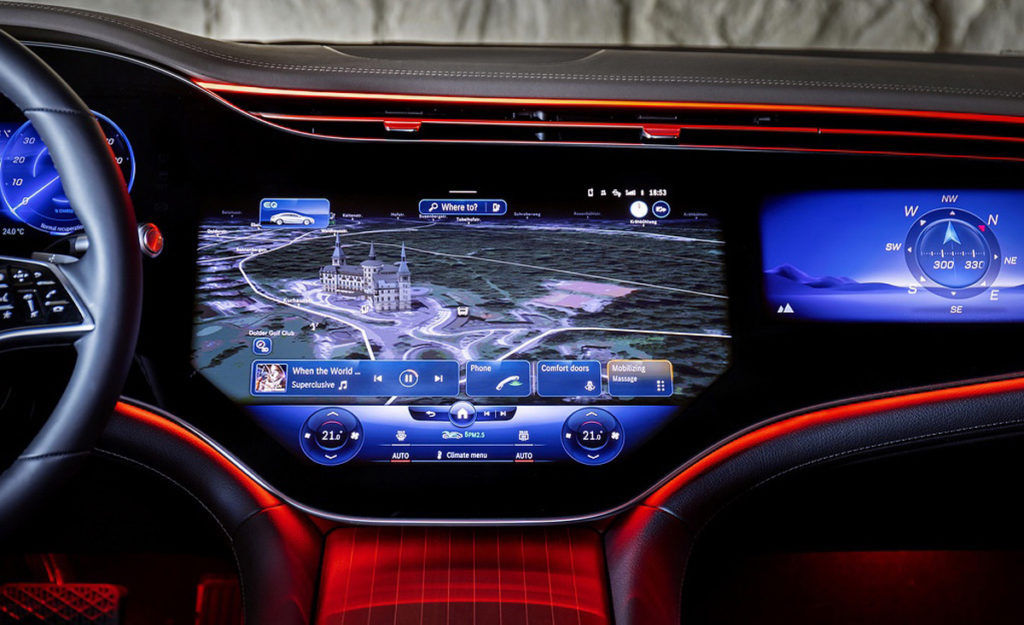
One of the more common complaints road users have with modern cars is the prevalence of touchscreens and how they have replaced traditional buttons and dials in the centre control stack.
Touchscreens naturally offer a wider array of inputs than a handful of physical buttons, hence why they are included in nearly every new model that comes off the production line, but they have the inherent flaw of needing the driver’s visual attention to do anything.
This is not a big deal for the occasional setting change, but for things that people will constantly adjust over the course of a journey, such as the radio or air conditioning, a screen is far more distracting than a button or dial that users can operate via muscle memory.
A screen not only requires that the user to remove their eyes off the road to look at it, but also takes a few more seconds to operate even before you consider possibilities like software delays, accidental presses, and missed prompts – all of which can distract the driver and create a dangerous driving scenario, in addition to simply being more annoying.
For this reason, several carmakers are now electing to keep a handful of knobs for commonly-accessed functions, but there are many more where a screen is the only game in town.

However, while touchscreens in cars are something most people have come to accept for the number of features they offer, there are two new trends in the automotive industry that consumers have vehemently opposed – NFTs and in-car subscriptions.
For those who aren’t aware, NFTs (non-fungible tokens) were a massive internet craze in 2021 and 2022 involving blockchain technology, cryptocurrency, and the concept of digitally-owned assets.
At its peak, the NFT marketplace was estimated to be worth about $41 billion, which led to many companies jumping on the bandwagon with tokens of their own or the promise of systems that would support the value of their existing products.
Carmakers were not immune to this, as in early 2022 Alfa Romeo announced that its new Tonale crossover would be “the first car on the market” to come with an NFT digital certificate that would increase the car’s residual value.
The reason why this is important is this: the value of NFTs dropped off the face of a cliff between 2021 and 2023 with researchers estimating that 95% of the tokens in circulation are now worthless.
The merits of NFTs themselves are not important for the purposes of this article, as the point is rather that there is a risk involved when automakers try to quickly get involved with internet trends that come and go seemingly overnight, as it can leave new models with assets that can just as easily become liabilities.
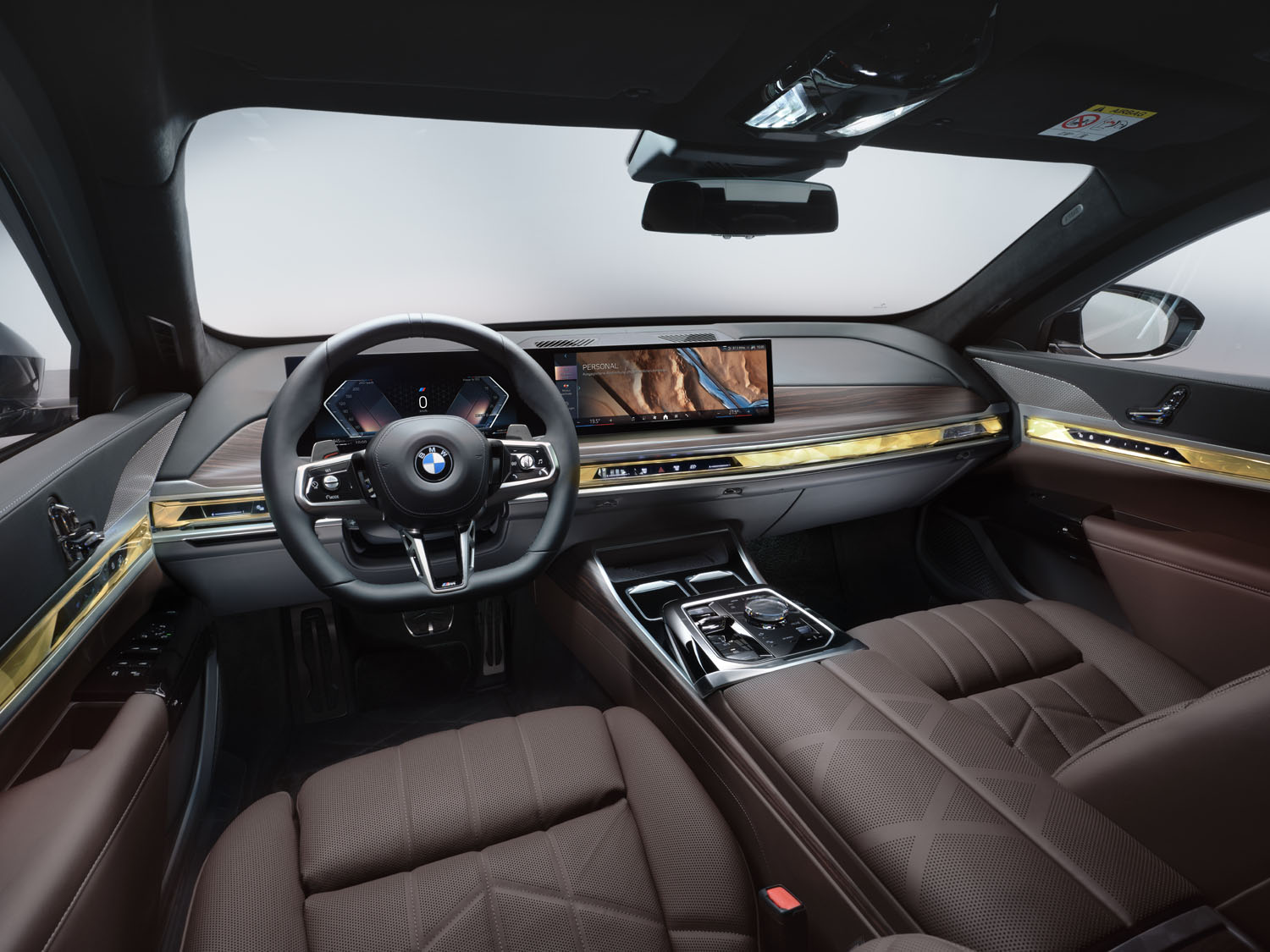
Finally, there’s the ongoing discussion around subscriptions for in-car services, which has led to vocal backlash to certain manufacturers.
The most prevalent example of this is BMW charging customers a monthly fee of $18 (R340) to access the heated seats in their car despite their cars already being fitted with the devices that provide it.
This isn’t the first time the German company has tried this either, as it previously charged a subscription for Apple CarPlay – something that most companies provide as standard and free of charge.
BMW has since dropped these policies due to complaints from customers that they were being charged twice as they had already paid to have these items included in the car and now had to pay again (and repeatedly) for the privilege of using them.
People’s opinions on other subscriptions are more complex, as options like in-car Wi-Fi are generally accepted as a paid service, and Mercedes-Benz now allows users to pay to raise the performance caps on their electric cars.
What is clear, though, is that motorists have made their opinions clear on the concept of “microtransactions” and the need to pay to remove electronic blockers that prohibit them from accessing the functions already fitted to their cars – they hate it.



 Loading ...
-facelift-2-2025.10.webp)
-2025.11.webp)