
R12,000 per month to own a cheap car in South Africa


South Africans continue to have an appetite for new vehicles, but financial constraints continue to shape their buying decisions, especially since some of the cheapest cars in our market cost up to R12,000 per month.
According to the Cars.co.za 2026 South African Automotive Industry Report, a new hatchback valued at R294,000 – the price of a new VW Polo Vivo – now costs over R11,700 per month to own.
This figure considers the total monthly cost of ownership, including car loan repayments – which is no longer the biggest portion of this cost – and sky-high petrol costs.
Despite this, passenger vehicle sales reached 40,912 units in July 2026, marking the highest single-month sales volume since September 2014, but how South Africans are buying has changed.
“Consumers are increasingly evaluating what they can afford to own rather than what they can afford to buy,” stated the Cars.co.za report, considering data from TransUnion and Absa.
“Running costs, finance structures and future resale value are becoming as influential as vehicle price in purchasing decisions.”
It added that finance repayments account for less than half of total ownership costs, as fuel, insurance, and maintenance costs have a greater influence in the ownership equation.
“Fuel, insurance and maintenance now make up a significant share of monthly ownership costs, illustrating how vehicle affordability extends well beyond the purchase price,” the report said.
These ownership and running costs continue to increase; consumers are adjusting their finance structures, as these can play a crucial role in maintaining vehicle affordability.
That is because longer loan terms, deposits, and balloon payments can reduce monthly repayments, but they also increase the importance of residual value and long-term affordability.
It needs to be noted that an 84-month loan adds over R55,000 in additional interest compared to a standard 60-month term when buying a R300,000 vehicle.
In July, the South African Reserve Bank held rates at 7.0%, with inflation expected to stay above 4% until early 2027.
This is expected to keep financial conditions tight and purchasing decisions increasingly deliberate and value-driven.
South Africans will make a plan to buy cars

Despite car prices rising and the average cost of ownership increasing every year, South Africans are looking at alternatives to vehicle loans.
According to the report, 92% of consumers consider credit access important, but only 36% plan to apply for credit, and 45% report abandoning credit applications altogether due to cost concerns.
As a result, consumers who need credit to buy a new vehicle are prioritising short-term financial liquidity over long-term asset acquisition.
While only 10% are considering a new vehicle loan or lease, 34% of consumers plan to apply for personal loans and 27% for Buy Now, Pay Later (BNPL) services.
At the same time, vehicle finance volumes for cars priced below R250,000 continue to shrink – though this could be down to the contraction of the number of vehicles at this price point.
The report found that the R250,000 to R500,000 band forms the core of the vehicle finance market, while loans above R500,000 consistently outperform overall industry growth.
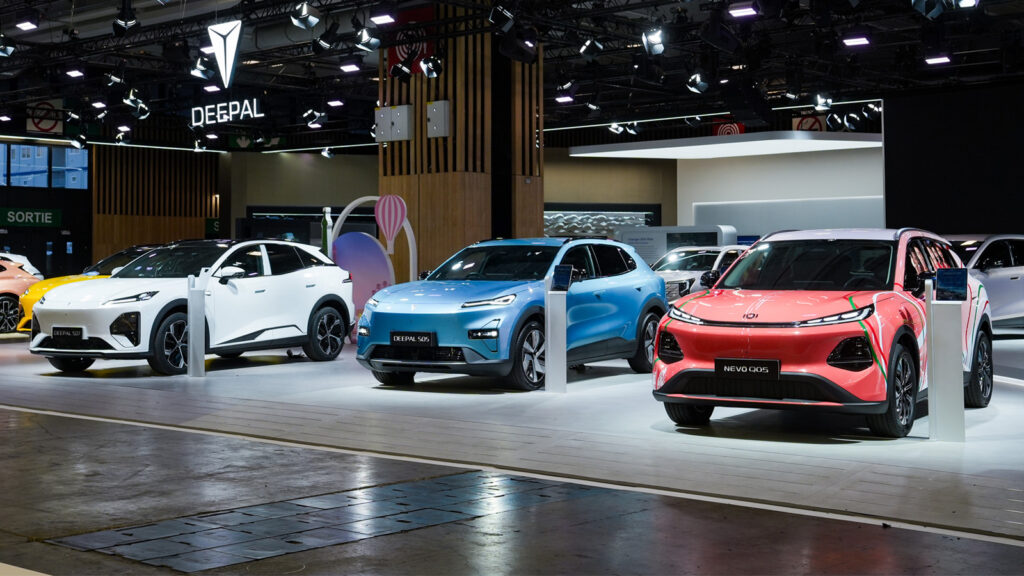
When they do choose to buy new cars, South Africans increasingly buy from Chinese carmakers, which are no longer merely competing with traditional original equipment manufacturers (OEMs), but are also reshaping the used market.
Sales of Chinese vehicles increased 72% year-on-year during the quarter, compared with just 3% growth among traditional OEM competitors, and Chinese cars now make up 22% of all cars sold in South Africa.
Alongside Chinese cars, hybrids are also gaining popularity, as South African buyers look to lower their running costs alongside the cost of financing.
Cars.co.za found that hybrids have emerged as the primary practical bridge to electrification, as they deliver meaningful fuel-efficiency savings without requiring charging infrastructure
As hybrid interest increased, steep fuel price increases between March and May 2026 caused an immediate drop in diesel vehicle demand on the platform.




 Loading ...
-2026.10.webp)


-2026.10.webp)