How much the average South African spends on a new car – Before vs after Covid


While many South Africans are more strapped for cash today than they were before the Covid-19 pandemic, rapidly rising car prices have forced them to spend much more on a new set of wheels.
Data from finance house WesBank shows that the average consumer spent R392,174 on a new car in the first quarter of 2024, a noteworthy increase of 24% over the corresponding period in 2019 when the same individuals only paid R316,778 for a new ride.
However, the elevated price levels have not shied car buyers away from getting into the market. Quite the opposite has happened, in fact.
The number of finance applications received by WesBank in Q1 2019 stood at 87,801 versus a sizeable 117,366 in Q1 2024, reflecting a rise of 34%.
This indicates a “growing demand for private mobility among South Africans – an encouraging trend for the automotive sector, which has greatly benefitted brands that are seen to offer more affordable vehicle options,” said the credit provider.

Then vs now
To get a picture of the type of vehicles consumers could get for these prices and during these periods, we compared what was available from the country’s best-selling automakers in Q1 2019 to what they offer today.
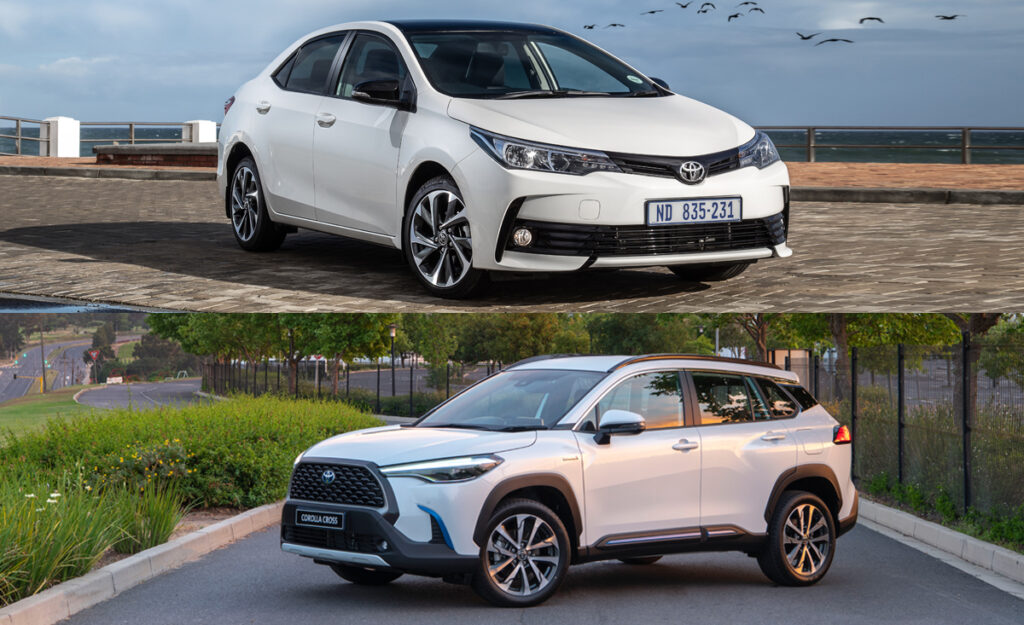
At Toyota, someone with a budget of just over R300,000 in 2019 could have gotten a brand new Yaris hatch which went for a maximum of R291,600 at the time, or a Corolla sedan that had five models on offer for between R300,500 and R321,600.
With around R400,000 to spend in today’s landscape, the options include the Rumion TX Auto MPV which sells for R386,500, the Corolla Quest Prestige Auto sedan for R394,000, as well as the Corolla Cross Xi SUV for R408,400.

Let’s say you wanted a VW back then.
With R317,000 you could have purchased a Golf Trendline hatch for R303,900 or a Jetta sedan for R314,900.
Fast forward to 2024 and increase your budget by 24%, and you’ll be able to pick up the Polo Hatch 70kW Life at R396,500 or perhaps the T-Cross 70kW Comfortline at a slightly higher R401,600.

Five years ago, South Africa’s favourite wallet-friendly brand Suzuki offered the mid-range model of the Jimny 3-door for a window sticker of R305,900, as well as the mid-range model of its flagship Vitara for R322,900.
Still focused squarely on the affordable end of the spectrum, Suzuki customers of today with the average South African’s budget can pick between the Grand Vitara GL Auto which demands a price of R376,900, the XL6 GLX Auto selling for R379,900, or the base Jimny GL 3-door that is currently on the market for R399,900.

Ford is the most interesting case of them all.
Back in 2019, it sold the Figo, Fiesta, and EcoSport all for in and around the R317,000 mark.
Enter a new Ford dealership today with R400,000 to spend and you can get, well, nothing – unless a desperate salesman is willing to cut you one hell of a deal.
The most affordable vehicle from the Blue Oval in 2024 is the Puma crossover with a barrier-to-entry of R570,400 which is a considerable R178,000 higher than what the mean buyer spends.
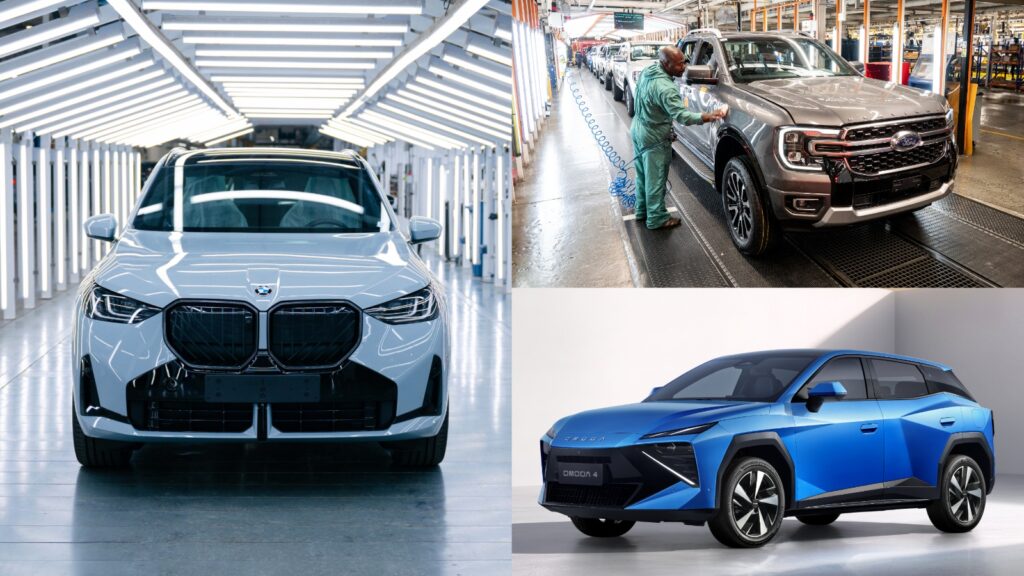
In Ford’s defense it is not the only nameplate that has grown to be unattainable by the average South African, but it illustrates the wider market shift towards excessively high car prices that have opened up the door for new brands to enter the country and cease valuable market share from established players.




 Loading ...