The e-fuel industry in South Africa is increasingly gaining traction with several companies actively participating in the sector, each with its own unique method.
With enthusiasm around battery-electric vehicles dying down and technologies like hydrogen fuel cells still being relatively far away from everyday applications, e-fuel is seen as one of the main answers to decarbonising the transport industry in the future.
While e-fuels are not as efficient as fossil fuels like petrol and diesel, they have significant benefits when it comes to reducing harmful emissions and recycling used materials, and generally do not necessitate major changes to vehicles to function.
At present, there are three local companies that have earned recognition for their efforts in bringing e-fuels to the mass market through hard work and innovation.
Ino Biodiesel
Ino Biodiesel is a finalist in the 2024 Nedbank Business Ignite competition for its creative business of turning used cooking oil into bio-diesel that cuts CO2 emissions by as much as 95% in comparison to conventional diesel.
Founded in June 2020 by Innocentia Mamaila after she read about all the various ways in which used oil can be repurposed while stuck at home during the Covid-19 lockdown, the company purchases spent oil from restaurants, hotels, and hospitals which it transforms into green diesel at a refinery in Gauteng.
It also has ongoing partnerships with over 20,000 women and youth in rural communities across the country to collect used oil in their area.
Mamaila said the idea for involving these communities came from an earlier study in which she travelled to a river in Limpopo that suffered from oil contamination, and determined that the culprit was used cooking oil.
Following this discovery, Ino Biodiesel immediately invested in a machine that would be able to extract dirty oil from the rivers, and to date, it has collected in excess of 100,000 litres in this way, said the founder in a 702 interview.
The bio-diesel has applications in agriculture, aviation, construction, and mining, and Ino Biodiesel already supplies its products to a broad range of clientele in South Africa including plant hire companies, construction sites, and industrial businesses, said Mamaila.
She was recently also approached by a German aviation company that subsequently purchased 500,000 litres of her green fuels, which will be shipped overseas at the end of August.

JBay Biofuels
JBay Biofuels, which as its name suggests operates out of Jeffreys Bay, also uses old cooking oil to produce its e-fuels, though it’s come up with a different way of sourcing it.
Established in 2014 by Winthur Nell, the company first collected used oils and fats from various restaurants and stores in Jeffreys Bay. However, this proved unsustainable due to the low volumes of oil it could get, leading to Nell putting out the feelers.
By around 2018, Woolworths got in contact with Nell and proposed a partnership between the two organisations, resulting in a constant supply of used fat accumulated from the retailer’s popular rotisserie chicken.
At first, JBay Biofuels only collected rotisserie chicken fat from Woolworths stores in Gauteng and KwaZulu-Natal, but it quickly moved on to include the Eastern and Western Cape provinces. Today, it procures fat from all 385 Woolworths Food locations across the nation.
Per month, the company collects between 16,000 and 21,000 litres of chicken fat with around 85% being converted to fuel, equating to between 13,600 and 17,850 litres of bio-diesel.
The fuel is available to the public with many residents and farmers in the Jeffreys Bay area being regular customers at JBay Biofuels, it powers the Fountains Mall generators during load-shedding, and it is used in the company’s own vehicles when doing its chicken fat collections across the country.
It is also cheaper than traditional diesel by a few cents per litre.

SeaH4
South African company SeaH4 recently took home an international innovation award for transforming seaweed into green fuels.
However, instead of harvesting seaweed from the sensitive ecosystems on the country’s shores, SeaH4 grows the biomass in man-made ponds on land in a way that is harmless to the environment while boosting employment in rural areas.
The company focuses on utilising arid instead of fruitful lands so as to not impact the country’s food production like many other e-fuel methods that require agricultural biomass.
Furthermore, this method is immune to droughts and does not burden the country’s fresh-water system, as SeaH4 pumps salt water into its ponds and later back to the ocean once used.
SeaH4 is busy setting up its first test facility in Saldanha on the west coast of South Africa and is actively fielding investors who would be able to bring financial assistance to its mission.
The European Union is showing the most interest in its product as a result of legislative changes that encourage decarbonisation in emission-heavy sectors such as aviation and shipping.
Ultimately, the company also wants to expand to the African continent in the future and target its e-fuels at road transport.
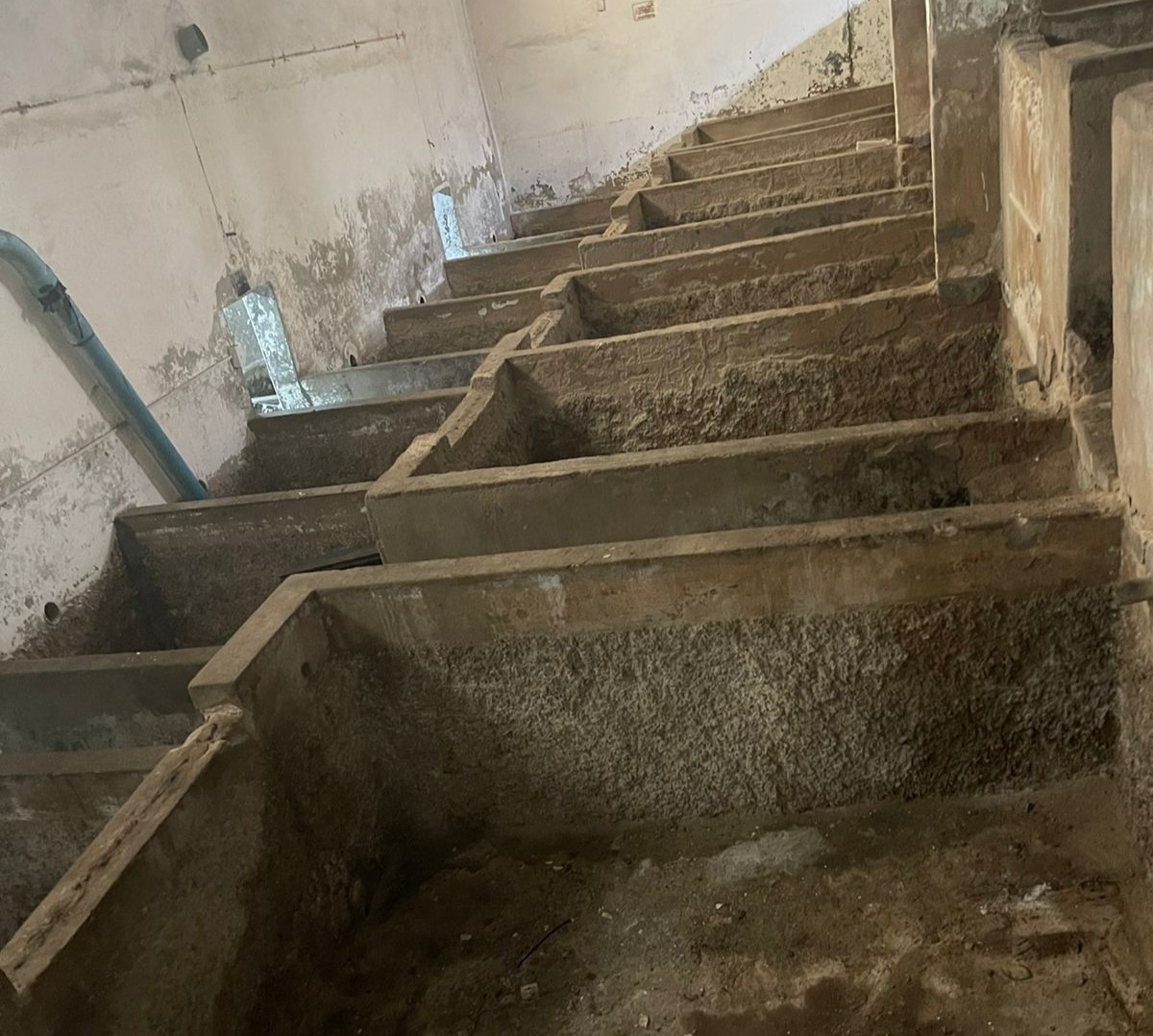
Early stages of SeaH4’s first field test facility




 Loading ...