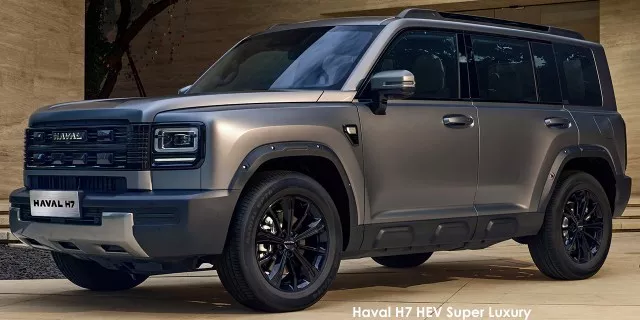
How dirty South African politicians hide their Ferraris and Porsches


South Africa’s fat-cat politicians use shady car dealers to buy luxury vehicles to avoid detection by the taxman and government’s own lifestyle audits.
It’s no secret that corruption runs deep in the veins of South African politics. Nowadays it’s become rarer to hear of taxpayer money used for good than for evil.
While things are slowly but surely getting back to normal following years of government coffers being wrung dry – a period known as state capture under ex-President Jacob Zuma – there are still plenty of bent officials who are in the game of politics for personal gain.
A recent example; a City Press report revealed that around R123 million was looted from the National Skills Fund to buy a farm, a Nissan Navara, and a collection of luxury vehicles
However, under President Cyril Ramaphosa, the fight against crime and corruption has gained renewed vigour through initiatives such as lifestyle audits and the establishment of the Investigating Directorate as a specialised and multidisciplinary unit within the National Prosecuting Authority that investigates corruption and other serious crimes.
A mutually beneficial relationship
A favourite pastime for tainted politicians includes spending hours at luxury-car dealerships figuring out on which model they’re going to offload their most recent pile of tender kickbacks.
However, they can no longer flout their possessions in the public eye as this would draw the attention of corruption investigators.
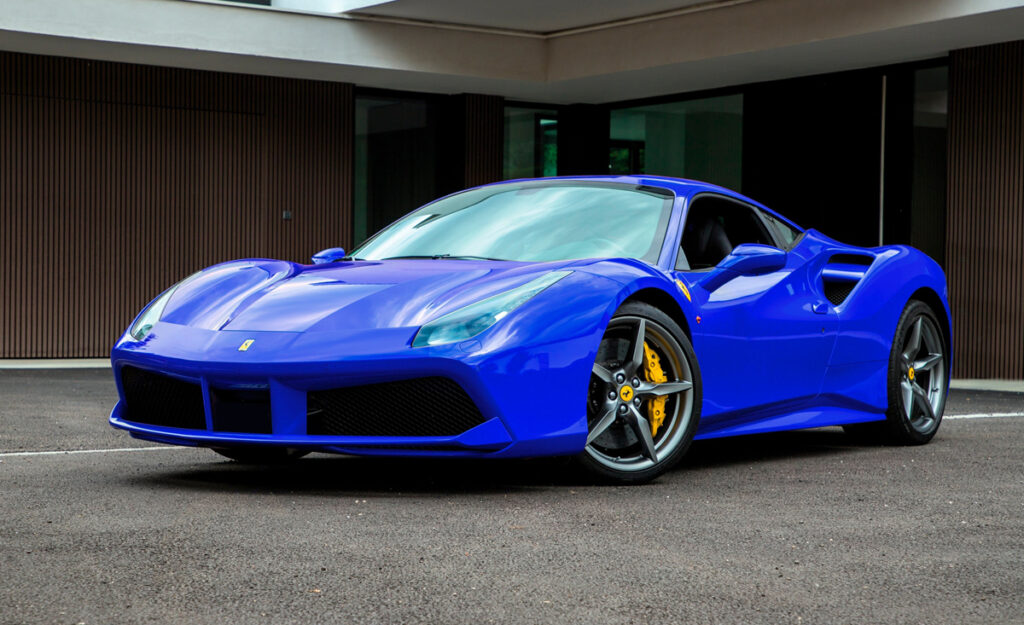
Therefore, these officials have turned to equally dubious car dealers for assistance, offering them generous rewards for helping to keep their Ferraris and Porsches concealed.
BusinessTech writes that former Eskom CEO Andre de Ruyter in his book Truth to Power: My Three Years Inside Eskom said that corrupt politicians and state employees conceal their expensive cars from investigators through symbiotic relationships with vehicle dealerships.
“A car dealership in the coal belt specialised in housing fancy vehicles on behalf of their owners so that they didn’t appear in lifestyle audits,” said De Ruyter.
“It would be available on demand should the actual owner wish to take his Lamborghini for a spin on the potholed roads of Mpumalanga.”
In other words, he alluded that dealers sell these expensive supercars to corrupt politicians but ownership is never transferred to their names.
This means the vehicle isn’t linked to the politician on the country’s National Traffic Information System, in turn making it much more difficult for lifestyle auditors and the South African Revenue Services to establish a connection between the government employee and the real owner of the multi-million-rand supercar.

Backing up these claims, investigative journalist Jeff Wicks in a lengthy thread on X (previously Twitter) explains that politicians prefer to use cold, hard cash to perform these transactions to further obfuscate the ownership details.
Wicks said that literal bags of money are dropped off at dealership doors under the cover of darkness and the next day, a politician rocks up, gets in his new Ferrari, and whizzes off down the road with barely a question asked.
“Millions are handed over to the dealership and the car is delivered, but ownership is never changed. That car will then sit in dealer stock for all of its life. There is no paper link to the beneficial owner. Problem solved,” said Wicks.
“Some dubious dealerships will hand over a wad of pre-signed temporary [number] plates. When one expires, put on a new one, and then there are no fines. And the car should technically still be sitting on the dealership floor.”
When lifestyle auditors catch wind of these activities, the corrupt official is tipped off by their amoral contacts in the investigators’ office, and the politician’s people quickly phone the dealer who rushes over to pick up the supercar and take it back to the showroom.
When the investigator shows up, like magic, there is no flashy Prancing Horse in the garage to provide an explanation for.
“For tenderpreneurs, transactions are in cash with a similar modus, and cars are registered to unrelated businesses and proxies, but the beneficial ownership is clear,” said Wicks.



 Loading ...