


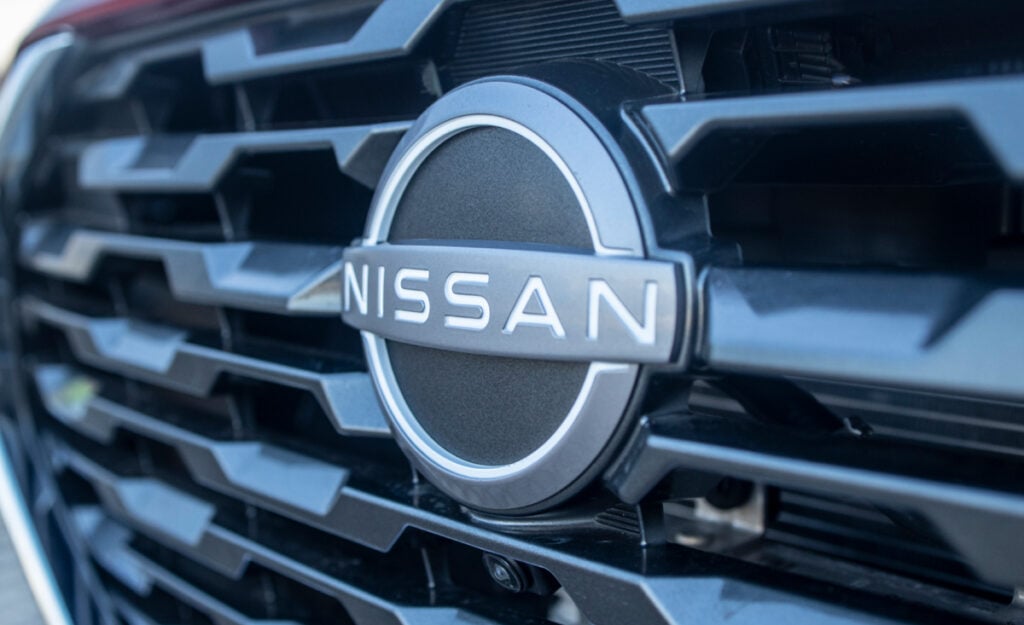
Nissan Motor plans to sell about $5 billion (R88 billion) in debt to help fund Chief Executive Officer Ivan Espinosa’s turnaround of the ailing automaker, part of a broader financing initiative to keep operations on track.
The Japanese carmaker will sell ¥150 billion (R17 billion) of convertible bonds for investment in new products and technologies, the company said on Monday.
Nissan also plans to issue a total of $4 billion (R70 billion) in unsecured dollar- and euro-denominated junk bonds for general corporate purposes including refinancing debt, according to a person familiar with the matter who asked not to be identified as they’re not authorized to speak publicly.
The notes are expected to price later this week.
The fundraising is part of Nissan’s broader effort to raise more than ¥1 trillion (R120 billion), including asset sales and lease-back plans for its Yokohama headquarters.
Espinosa, who was appointed earlier this year, is seeking to revamp the carmaker, which has an aging product lineup and is facing a huge loan repayment wall next year.
“The focus will be on how much it can convince the market on why it needs to raise capital,” said Nobuhiko Kuramochi, vice president of investment adviser Parasol Co.
“It will be difficult for investors to take action until changes, including structural reforms and capital structure adjustments, become visible.”
The stock closed 4.9% lower Monday in Tokyo, and it’s slumped 30% this year.
Nissan had also planned to take out a £1 billion (R24 billion) syndicated loan, guaranteed by UK Export Finance, by the end of the fiscal quarter, which ended June 30.
It wasn’t clear whether that was still on track, given that the internal deadline has passed.
With a BB rating assigned by Fitch for the euro and dollar bonds — indicating speculative-grade debt — investors remain wary, questioning whether Nissan’s planned job cuts and plant closures will be enough to restore profitability after its recent ¥671 billion (R81 billion) net loss.
The dollar notes are being marketed to investors at yields as low as the mid-7% area, compared with an average yield of about 5.9% on similarly rated US bonds.
Nissan is tapping the market as overall yields for US junk notes overall are at three-year lows.
Nissan has sufficient capital of about ¥2.2 trillion (R270 billion) in cash on hand and credit to last the next 12 to 18 months, Espinosa told Bloomberg TV in May.
The new CEO has announced plans to eliminate 20,000 jobs and close seven of Nissan’s 17 plants by March 2028.
The measures follow the collapse of talks earlier this year to join forces with Honda Motor.
Those discussions ended in part due to disagreements about Nissan’s willingness to make deeper cuts to production and personnel.
This financing move highlights broader pressure in the auto industry, as legacy automakers like Nissan navigate costly transitions to electric vehicles and digital technologies.
Investors will be closely watching whether the company can successfully implement structural reforms without additional support or deeper alliances, following the failed talks with Honda.


 Loading ...

-facelift-2-2025.10.webp)

