Smaller, independent car dealerships are under threat in South Africa, facing shrinking margins, global competition, and shifts in consumer spending patterns.
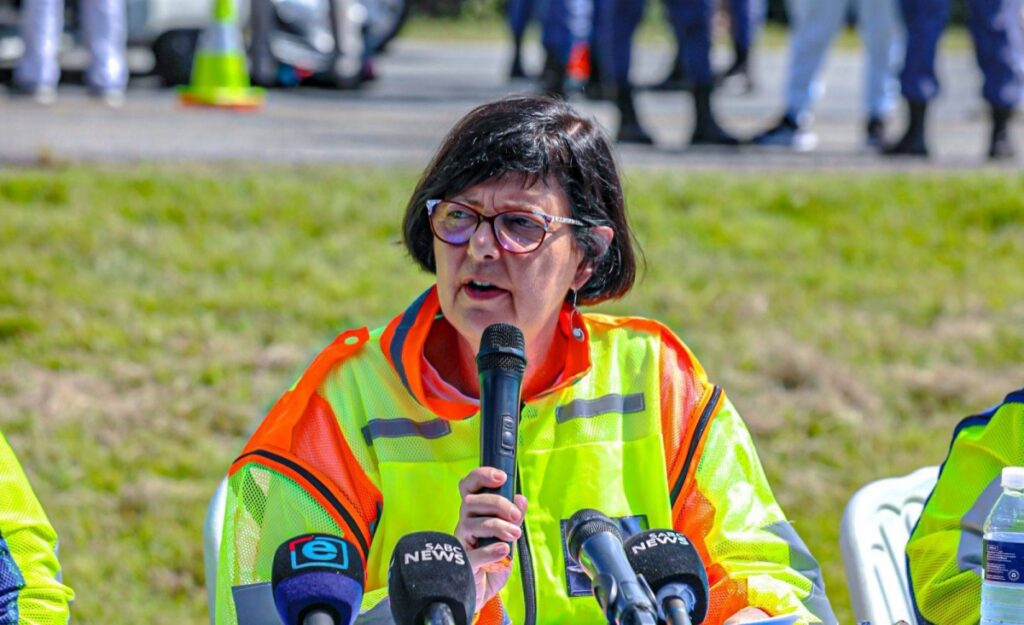
This is according to Thembinkosi Pantsi, Vice Chairperson of the National Automobile Dealers’ Association, who warned that these businesses are struggling to survive in South Africa.
“Smaller independent dealers are under severe pressure in terms of the margin squeeze that we’re seeing in the industry. Customer footfall is not where we’d like it to be, and overheads remain high.”
Pantsi explained that all of this is taking place within the context of South Africa’s stagnant economy, which is a hostile environment for smaller showrooms that don’t have the same buffers and support structures as larger dealership groups.
Unlike their corporate rivals, independent dealerships lack the financial reserves, JSE listings, and access to low-cost funding that can help a business to stay afloat in difficult economic conditions.
“Cash flow is critically important for independent dealers. And when sales dip or margins tighten, that becomes a very real problem,” said Pantsi.
It’s important to note that vehicle sales are actually on the rise, as the Automotive Business Council reported an 18.7% year-on-year increase in purchases for June 2025.
While this is good news for the industry as a whole, Pantsi commented that this data needs to be contextualized.
One of the biggest changes in the industry is how consumers buy their cars, as there has been a gradual shift away from the traditionally in-dealership experience where individuals walk in, explore the showroom, and speak to sales reps.
“People no longer walk into dealerships. They do their research online. They know exactly what they want, sometimes right down to the specs and price, before they even engage with a dealer.”
This digital shift has been to the benefit of platforms like AutoTrader, WeBuyCars, and Weelee, which have online portals that allow users to tailor their searches to suit their exact needs.
However, it has also come at the expense of smaller dealers that have traditionally relied on walk-in customers.
“The larger players with deeper pockets have gone aggressively into technology and the e-buying of cars.”
“Independent dealers are having to respond by embracing online platforms and technology-driven solutions to stay relevant.”
Hope for the future
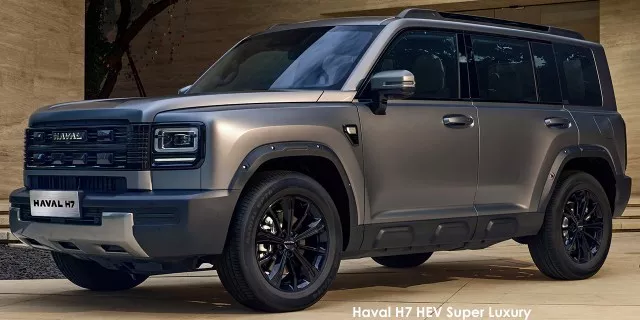
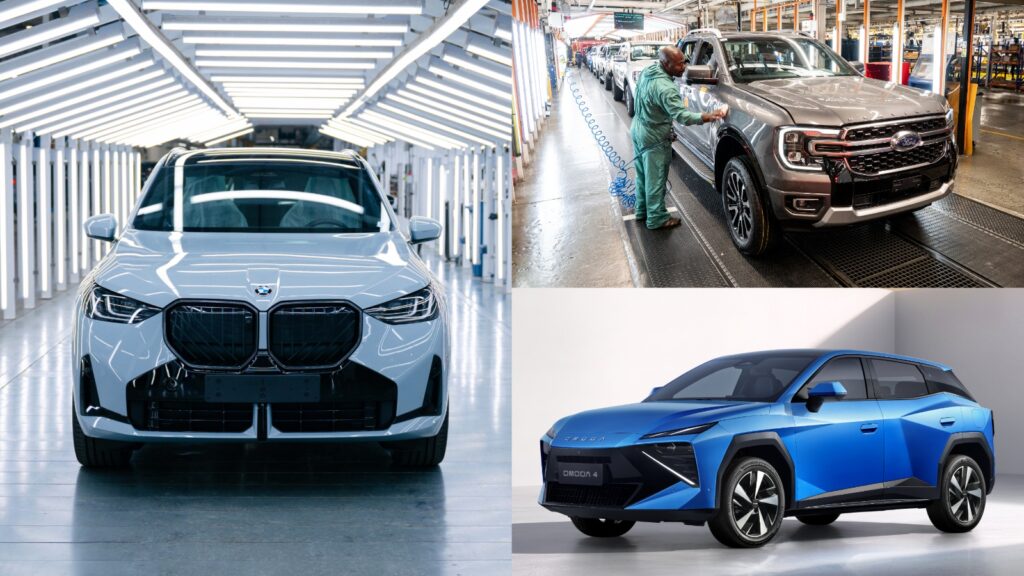
Another factor threatening dealerships in South Africa is the rapid introduction of several new Chinese carmakers, causing a massive disruption to the local market.
“The Chinese brands have really shaken up the local market. For consumers, they offer an excellent value proposition that’s hard to ignore,” said Pantsi.
“And you’re now seeing them setting up shop right next to luxury brands like Land Rover and Jaguar in the richest parts of Johannesburg.”
While these new brands are diminishing the appeal of legacy manufacturers linked to large dealership chains, the silver lining is that they may be a boon to smaller businesses.
Pantsi explained that certain Chinese automakers are more willing to partner with independent dealers and are open to the idea of a multi-franchise business model where one dealer can offer multiple brands under the same roof.
“That’s something we’re already starting to see, and it could help diversify revenue streams.”




 Loading ...