Fuel stations in South Africa must evolve to keep pace with the global shift towards electric vehicles.
According to Nedbank Commercial Banking National Retail Services Manager Karen Keylock, there is a global drive towards cleaner fuels and new energy vehicles (NEVs).
The South African market remains limited regarding electric vehicle infrastructure; however, many organisations and businesses are making inroads to address this.
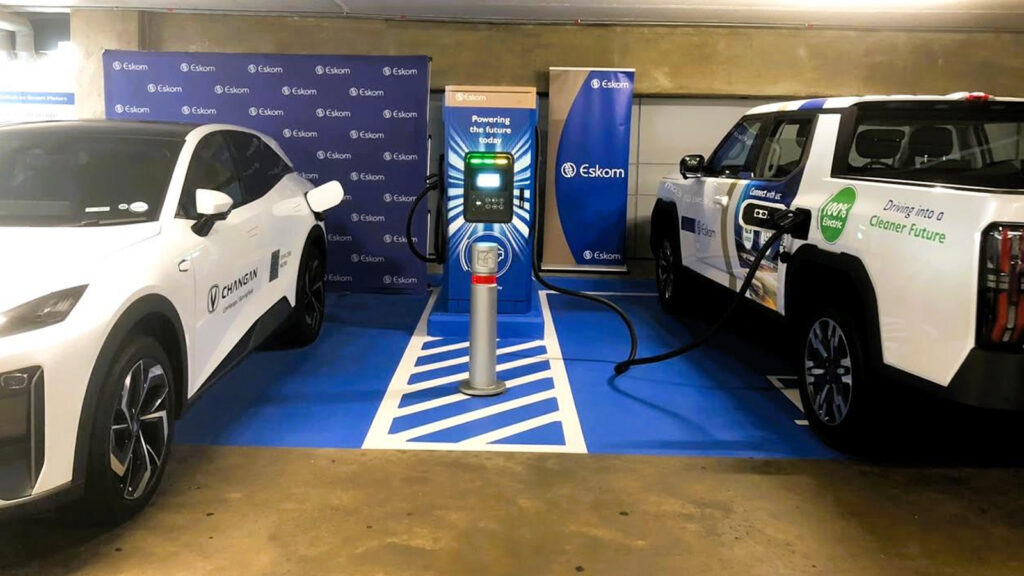
For instance, automotive business council NAAMSA and the private sector are building a national charging network with 120 sites.
This will improve accessibility to reliable charging points along key routes throughout South Africa.
Notably, the new charging network will be built using existing fuel stations rather than entirely new buildings.
The new charging facilities will primarily operate off the national electricity grid and be supplemented by renewable energy.
“Fuel stations are, in fact, ideally suited for solar PV installations because they have sizable areas of roof space over their buildings and forecourts, which are generally located in full sun,” said Keylock.
“So, as increased income streams generated by the new infrastructure boost profits, fuel station owners can increase the renewable energy component of their sites to decrease their reliance on the national grid and thus boost profitability further.”
This addition to fuel stations is just the latest that has happened in the last fifty years, which has seen the addition of many other services to forecourts.
Since the 1960s, many fuel forecourts have come to host restaurants, convenience stores, car workshops, tyre fitment centres, and even hotels.
Adding EV charging stations is just the latest and may lead to further expansion, with facilities such as pharmacies, laundry services, gyms, and co-working spaces.
This is due to the charge times for EVs being substantially longer than conventional refuelling, so drivers may desire to spend their time proactively.
Cost issue
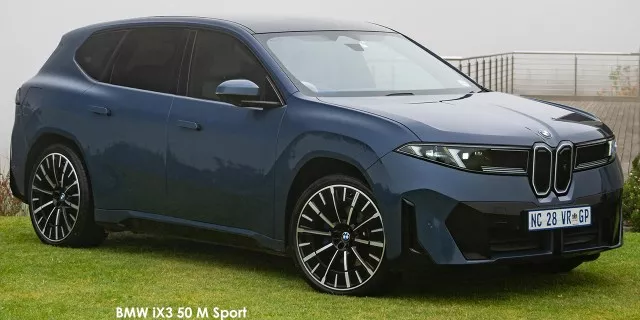
EVs in South Africa make up less than 3% of the country’s car market and are dominated by traditional hybrids like the Toyota Corolla Cross and Haval Jolion.
Full battery electric vehicles remain limited due to affordability, with most available models priced at over R900,000.
South Africa is currently reducing its EV import duties, which could help ease this baseline price tag and help promote growth in the EV market.
The initial price is also the chief roadblock, as EVs tend to have much lower maintenance and service costs once bought.
EV batteries also have an eight to 10-year battery life, though the current replacement cost is around R100,000.
Charging is also cheaper than conventional fuel, with the electricity usage price per kilometre being lower than petrol.
Home charging is also an option for those with solar installations, potentially nullifying charging costs completely.
However, the EV market currently has a high cost of entry, so it may be a while before EVs become a more prominent part of the market despite their advantages.




 Loading ...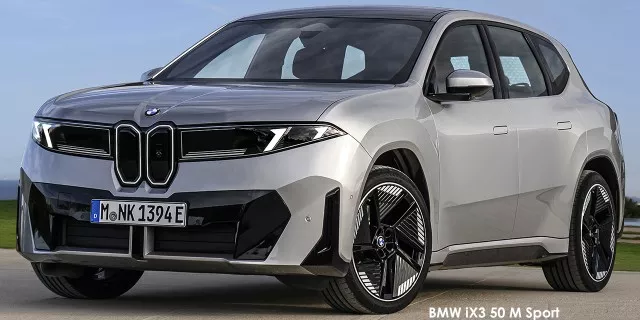

-2026.10.webp)