The US urged South Africa to improve its trade offer as Pretoria waits to hear what tariff President Donald Trump will impose on its exports to the world’s largest economy.
South Africa hopes to negotiate a lower levy than the 30% already allocated by Trump, with a deadline to strike a deal by Friday.
Trade, Industry and Competition Minister Parks Tau said US officials weren’t sure themselves what the president would decide and had encouraged South African officials to submit an enhanced proposal.
“Even they are unable to confirm what the announcement would be,” Tau told Johannesburg-based broadcaster 702 on Thursday.
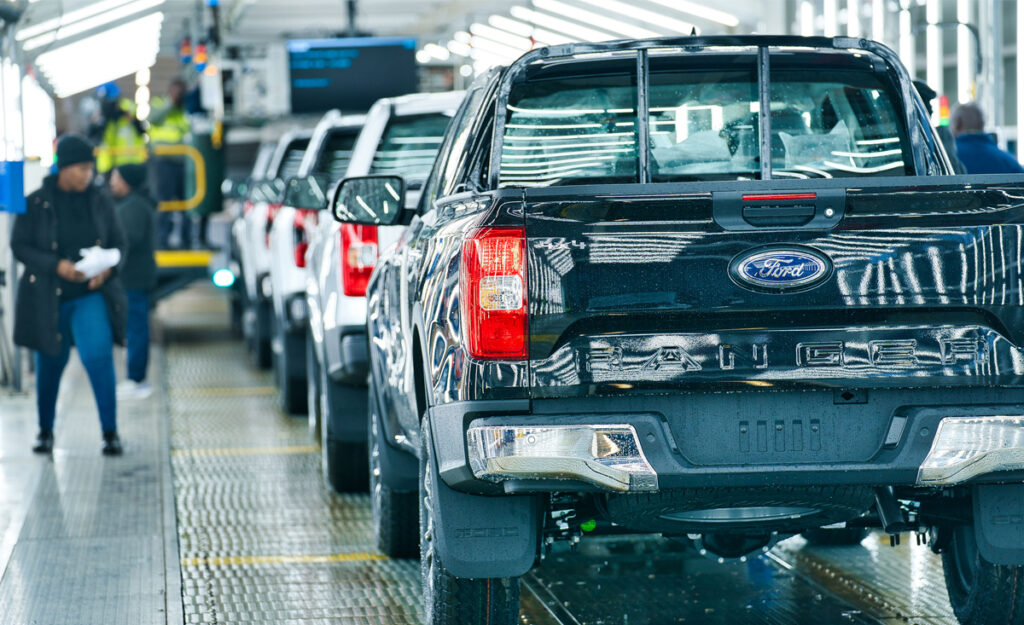
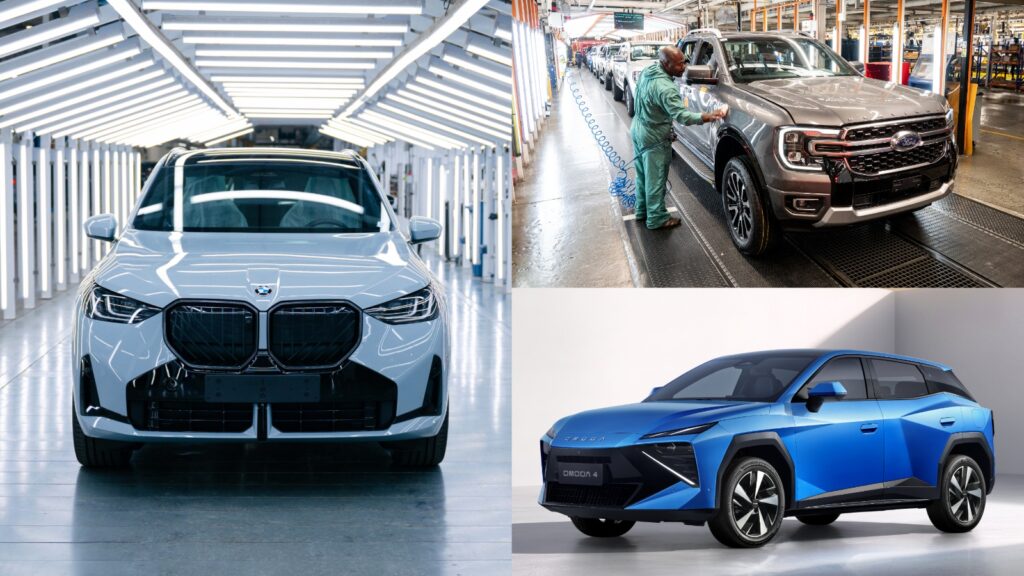
The US is South Africa’s second-largest trading partner after China and tariffs of 30% would hit its automobile and farming industries hard, dealing a blow to an already-feeble economy where the unemployment rate is one of the highest in the world.
South African officials previously proposed the following to the US:
- The establishment of a joint fund for the exploration of critical minerals in South Africa
- A duty-free quota of 40,000 vehicles per annum for the auto industry and duty-free access for automotive components sourced from South Africa for production in the US
- A duty-free quota of 385 million kilograms of steel and 132 million kilograms of aluminum annually
- Increasing imports of LNG from the US to as much as 100 petajoules annually for 10 years, which may generate as much as $12 billion of trade over a decade.
Washington’s trade complaints against Pretoria span a range of industries from vehicles to citrus and meat, while differences between the two nations extend beyond trade.
The threat of higher US tariffs has also prompted the South African authorities to diversify its export markets, said deputy director-general for trade, Xolelwa Mlumbi-Peter.
“We have identified 22 critical markets that we need to diversify our exports to,” she said.
“The export branch is working with the private sector to continue our diversification efforts so that we can build a greater resilience so that we are not too vulnerable in one market.”




 Loading ...