
South Africa plans to save its car industry by killing affordable cars


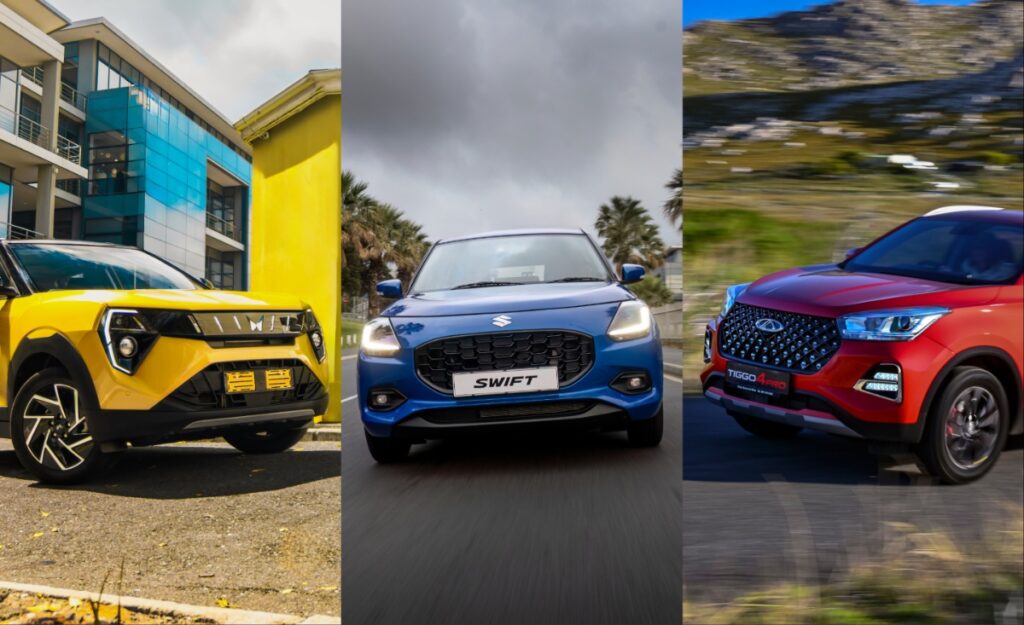
South Africa is considering raising import duties on Chinese and Indian-made cars in an effort to protect local manufacturers.
While seemingly well-intended, it is a solution that is likely to hurt consumers without addressing the root of the industry’s problem – a lack of affordable homegrown options.
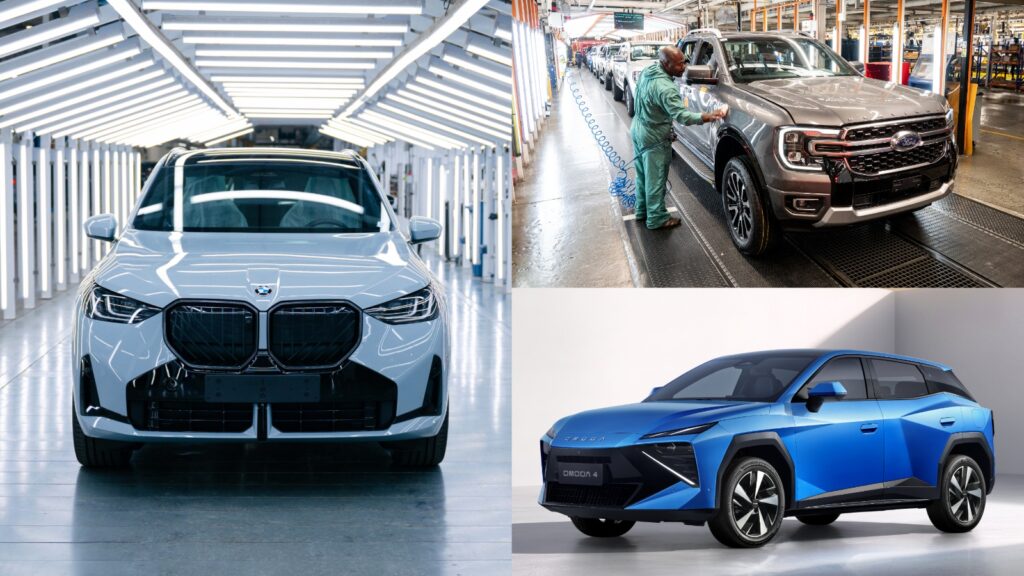
There are seven legacy original equipment manufacturers (OEMs) – Toyota, Ford, VW, BMW, Mercedes-Benz, Nissan, and Isuzu – all of which are very popular, but which colletively only produce a single car that could reasonably be described as affordable.
The VW Polo Vivo, made in the Eastern Cape, has a starting price of R271,900, making it the only locally-built passenger car to retail for less than R300,000.
According to Stats SA, the average formal sector salary in South Africa at the end of 2025 was R29,490, which is barely enough to afford the base Vivo on a 5-year finance plan at the current prime interest rate of 10.25%.
This is assuming the individual dedicates a fifth of their salary to car repayments, which is the maximum amount recommended by financial experts.
This affordability crisis is well-known, which is why Indian and Chinese imports have seen so much success in recent years.
Brands like Mahindra, Chery, and Haval have grown enormously since the start of the decade, but this trend also applies to less obvious brands like Suzuki and Toyota.
Suzuki is a Japanese company, but all of the models sold in South Africa are produced by Maruti Suzuki – the carmaker’s Indian division.
Most of Toyota’s sub-R400,000 vehicles are Suzuki rebadges, meaning they are also Indian imports.
Cars like the Toyota Starlet, Mahindra XUV 3XO, Suzuki Fronx, and Chery Tiggo 4 Pro (all of which cost less than R300,000) have all proven to be massive hits, which has caused an upset in the local car industry as consumers have moved away from old favourites like the VW Polo towards these more affordable alternatives.
Naturally, this has set off alarm bells for industry stakeholders, ranging from dealerships to the OEMs themselves, all of whom have warned that urgent government intervention is needed to support local manufacturing.
However, the solution the Department of Trade, Industry and Competition is currently mulling over is to double import duties on Chinese and Indian cars from 25% to 50%.
In other words, the government’s solution to the vehicle affordability crisis is to raise prices on cheap cars.
The impact a 50% import duty could have

International Trade Administration Commission (ITA) commissioner Ayabonga Cawe told parliament in January that a possible solution to stem the flood of imported cars is to amend the tariff structure on vehicles and vehicle components.
Cawe explained that if these were aligned with World Trade Organisation concessions for most-favoured nations, South Africa could impose a 50% import duty on built-up passenger cars.
Right now, South Africa imposes a 25% duty on all foreign-made cars, except for petrol and diesel models made in Europe, which receive only an 18% penalty under a bilateral trade agreement.
If this goes through, the price of entry-level cars could climb by as much as R40,000.
The Motor Industry Staff Association (Misa) warned the government to carefully consider the repercussions of such a move when attempting to protect OEMs and dealerships.
Misa operations CEO Martlé Keyter said that it was “late in the game” to consider imposing these tariffs, given how entrenched many Indian and Chinese car brands have already become with vast dealer networks.
“The influx of Chinese and Indian brands stimulated the local market and created massive competitiveness,” Keytler said.
“The result, new vehicle sales records for three consecutive months at the end of 2025, not only surpassing pre-pandemic levels for the first time but also reaching highs not seen in a decade.”
As of the time of writing, there are only five passenger cars left in South Africa that cost less than R200,000, and all of them are made in India.
In fact, 19 of South Africa’s 20 cheapest cars are imported from China or India (the exception being the South Korean Kia Picanto).
The VW Polo Vivo, in contrast, is only the 25th most affordable model with a price tag roughly R100,000 more than the cheapest units on the market.





 Loading ...