


Insurance claims can be a headache in South Africa, especially when there is no real evidence of the incident or the order of events. This is where dashcams and footage make all the difference.
According to Funeka Ngewu, Executive Head of Claims Procurement and Legal at Momentum Insure, the “he said, she said” of local accident reporting is becoming increasingly complex.
“Whether you are a daily commuter or an e-hailing driver, the rise of road incidents from smash-and-grabs to fraudulent claims has made the dashcam a popular companion for many drivers,” she says.
Ngewu added that while insurance has traditionally helped to absorb the financial impact of road accidents, the process of establishing the truth is necessary to determine what actually occurred.
“As we look toward a more proactive role in reducing risk, dashcams are emerging as a critical tool to help establish the facts and provide peace of mind,” she explains.
There are several important factors South Africans need to know about how video footage fits into their insurance and safety strategy.
Ngewu explains that a dashcam provides an objective, independent view of the event, and that having clear video evidence can help speed up the claims process by providing immediate clarity.
She adds that fraudulent claims are a reality in South Africa, making video footage an effective deterrent against these scams, because insurers can prove when an incident was manufactured or falsified.
Front-and-rear-facing dashcams with a parking mode can help resolve incidents wherein a parked car is struck by a perpetrator who speeds off by capturing license plates and vehicle descriptions.
Finally, Ngewu explains that a dashcam is a tool and not a silver bullet, and drivers need to understand that footage does not always automatically guarantee a successful claim.
“We look at the whole picture. You will still need a formal police case number, statements from independent witnesses, and a detailed assessment of the vehicle damage,” she explains.
“Evidence is carefully reviewed and considered; if your own footage shows you were speeding or driving recklessly, it may affect the outcome of your claim.”
Making dashcams mandatory in South Africa
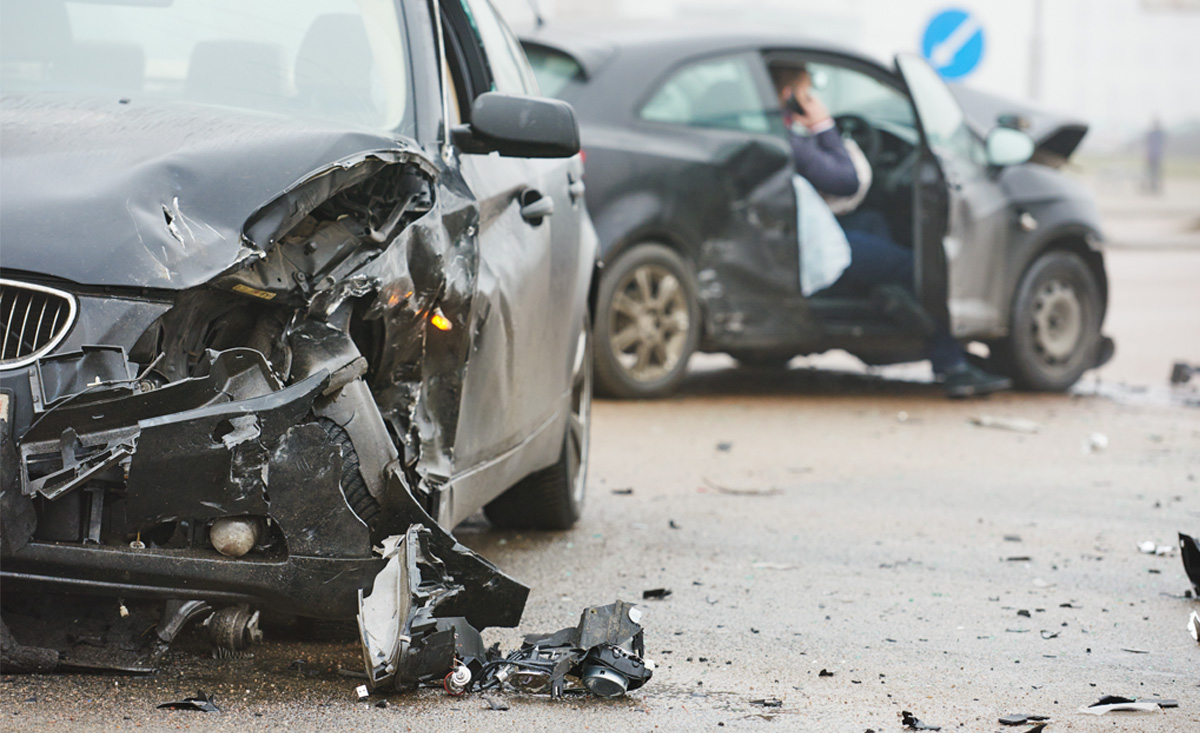
Whether or not dashcams should become mandatory in South Africa has become a highly debated topic, as more motorists are involved in accidents, experience crime, and fraud on the road.
Last year, 11,418 road fatalities were recorded in South Africa, with human behaviour like reckless overtaking and hit-and-run incidents making up over 80% of incidents.
According to Cartrack, this highlights the issue of public accountability and makes a case for the use of dashcams as an extra, objective pair of eyes when you need them.
“No matter which side you’re on, the wider importance of a dashcam solution is undeniable,” the company stated.
Cartrack added that there are some advocating for mandatory dashcams to become mandatory to curb road fatalities, incidents of fraud, and improve overall on-road safety.
“Considering the recent events that’ve taken place, especially regarding the safety of school children and e-hailing drivers, it’s no surprise that South Africans are becoming more concerned about the lack of vehicle dashcams.”
While the case is being made for the mandatory implementation of dashcams, there are many who oppose this due to privacy issues.
“The legal and privacy implications include POPIA, legal, and policy-related matters. These conversations reflect a greater, more difficult conversation around the privacy of individuals,” said Cartrack.
“Dashcams are legal now and free to be used by all, but a mandatory approach means that privacy legislation would have to be much stronger, and regulations would be stricter.”



 Loading ...