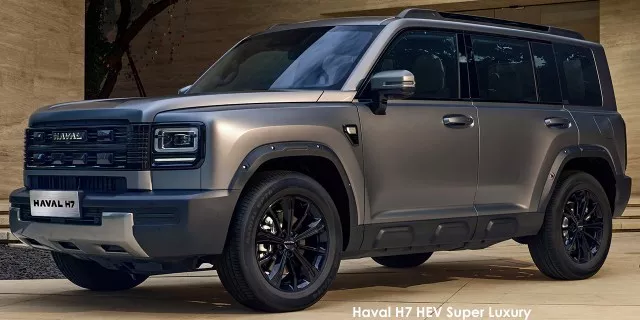
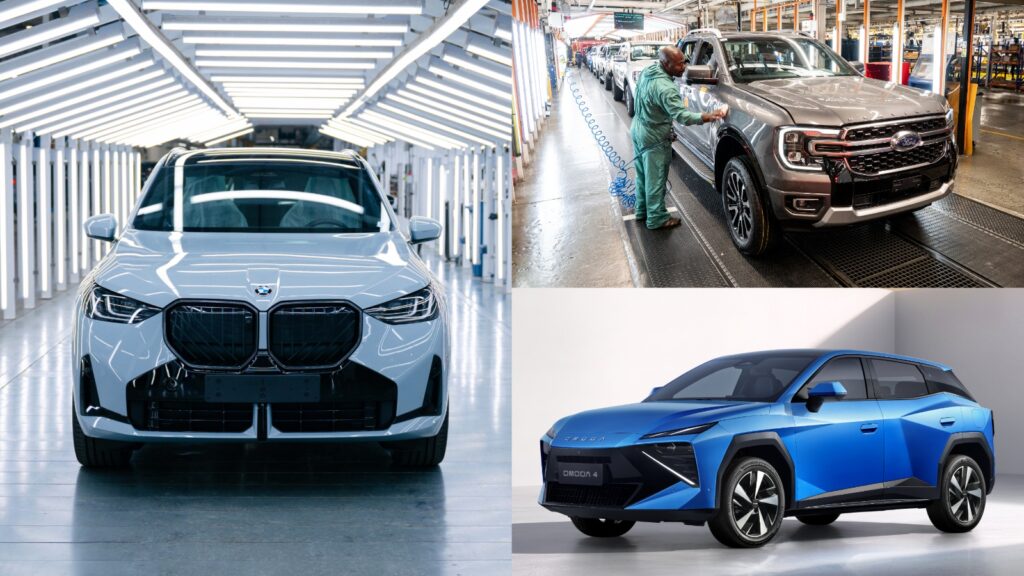
Several emerging car brands have launched in South Africa in recent years, prompting established brands to update their own offerings to remain competitive and increasing the number of outgoing models on our roads.
The influx of these affordable new models in the local market has helped drive South Africa’s new car sales resurgence.
Not only have new options been well received, but updates and facelifted versions of established product offerings have generated a similar level of anticipation among buyers.
The National Automobile Dealers’ Association (NADA) explains that while the appeal of the latest models is undeniable, budget buyers often view the arrival of an updated model as a window for strategic bargain hunting.
The association notes that the most common concern for outgoing car buyers is the fear of being left without parts support for their future maintenance needs.
Prospective owners tend to fear that once a model is discontinued or updated, parts will disappear from distributors’ and retailers’ shelves, when in reality the opposite tends to be true.
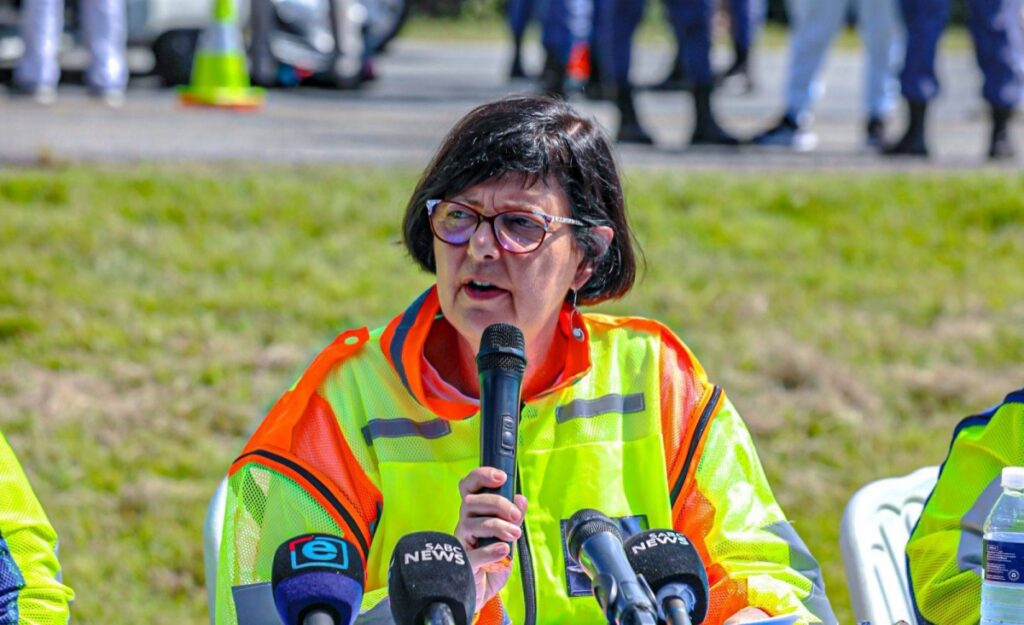
“A primary misconception is that a new model launch renders the previous version a mere relic for the manufacturer,” says NADA Chairperson, Brandon Cohen.
“In modern automotive retail, the lifecycle of a vehicle extends far beyond its production run.”
He explained that consumers can generally buy an outgoing model with high confidence, and with the knowledge that the manufacturer’s support infrastructure will remain in place.
This includes a steady parts supply and specialised equipment stocked by franchise dealerships, all of which have been designed for the long run.
“This is particularly true for brands with a perceivable investment interest in the market, either through manufacturing facilities or an extensive dealer network, or a continuing legacy and strong brand presence.”
Buying an older model with confidence

Once a model is updated in South Africa, or even if the brand exits the local market entirely, chances are they will ensure that parts remain available for some time after.
Cohen explains that Original Equipment Manufacturers (OEMs) tend to support discontinued models with service and repair parts for about 10 years after the final unit leaves the factory.
This, he says, ensures the longevity and resale value of the brand’s fleet, even when it comes to older and discontinued models.
Beyond the long-term availability of parts, buying a final-generation, or outgoing model, means buying mature engineering.
An outgoing model represents the pinnacle of its generation’s development, having benefited from years of continuous improvement.
If the latest models introduce the next frontier of innovation and design, outgoing versions offer buyers a level of predictability that some may find reassuring.
Cohen notes that it is all about offering customers the right choice for their specific needs.
“The new model represents the future of the brand and the latest in technological leaps. Simultaneously, the outgoing model offers a peak level of refinement for its generation,” he explains.
As a result, the launch of a new model should not be viewed as the definitive end of the previous version.
Thanks to a guaranteed parts supply for another ten or more years, alongside a mature mechanical platform, the outgoing model represents a great opportunity for budget buyers.
Previous generation models are also priced well, thanks to attractive dealer incentives, as dealerships look to get rid of older stock in favour of the latest offerings.



 Loading ...