The small industrial town in South Africa with BMW’s oldest factory outside of Germany


The industrial town of Rosslyn is a critical player in South Africa’s automotive industry, with large motor manufacturing plants located there.
Located on the northern outskirts of Pretoria, Rosslyn was founded as a commercial zone for the city’s growing manufacturing industry in the 1960s.
At the time, the government was in the process of decentralising industrial development, moving its production facilities away from the city centre towards newly-designated zones.
Rosslyn was selected due to its prime location, which provided easy access to the rail and road networks, and had close proximity to labour pools in the city and nearby townships like Soshanguve (formerly known as Mabopane East).
In the late 1960s and early 1970s, Rosslyn established itself as one of the country’s fastest-growing manufacturing hubs, which soon attracted the attention of some of the world’s largest car brands, including BMW and Nissan.
Rosslyn itself isn’t particularly big, covering an area of just 0.89 square kilometres. A 2011 census pegged the area’s population at 2,960.
While the population has grown since then, Rosslyn’s nature as an industrial zone means it doesn’t have a large residential block.
The area played a crucial role in maintaining South Africa’s industrial output during the sanctions placed on the Apartheid government.
As sanctions began to ease in the 1980s and 1990s, Rosslyn was well-positioned to become a major vehicle exporter to overseas markets, particularly in Europe.
The area has developed in tandem with its car factories, with new component suppliers, logistics firms, and heavy manufacturing facilities emerging to support the local auto sector.
After 1994, Rosslyn was integrated into the broader City of Tshwane metropolitan area, and government policies like the Motor Industry Development Programme were introduced to support South Africa’s car factories.
The programme aimed to help local carmakers transition from producing vehicles solely for the local market to becoming exporters that were competitive at an international level.
BMW’s first factory outside of Europe

BMW’s presence in South Africa dates back over 50 years, to 1968, when local BMW assembly began under a South African company called Praetor Monteerders.
The BMW Group took full control of operations in 1973 and officially established the BMW Rosslyn Plant, which was the automaker’s first fully-owned production facility outside of its home country of Germany.
For decades, the company produced iconic sedans like the 325 and 200 SA, later transitioning to the fan-favourite 3 Series.
Rosslyn went on to produce an incredible 1,191,604 examples of the 3 Series in the 35 years it occupied the assembly line before the model was finally put aside in the 2010s.
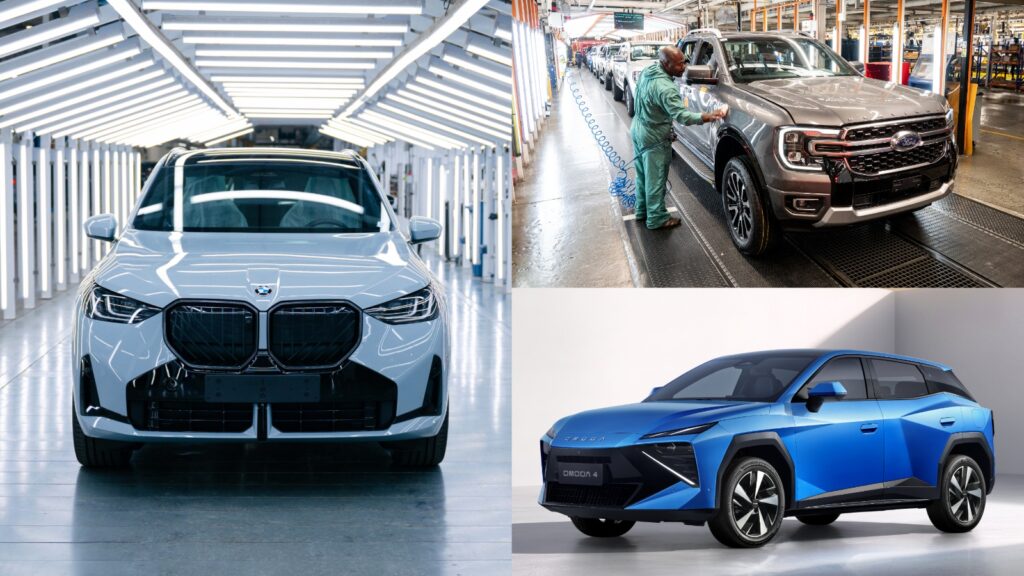
In 2018, BMW Group South Africa made the decision to end production of the 3 Series and shift its focus to the X3 in order to capitalise on the growing global demand for SUVs.
The third-generation X3 was in production from 2018 until 2024, during which time a total of 403,114 units made their way off the assembly line.
In late 2024, the facilities were upgraded to accommodate the new fourth-generation X3, which features a variety of new engines.
Notably, the next-gen X3 is the first to feature a plug-in hybrid (PHEV) powertrain, which means BMW’s plant needed new equipment to install the batteries and electric motors used by the new system.
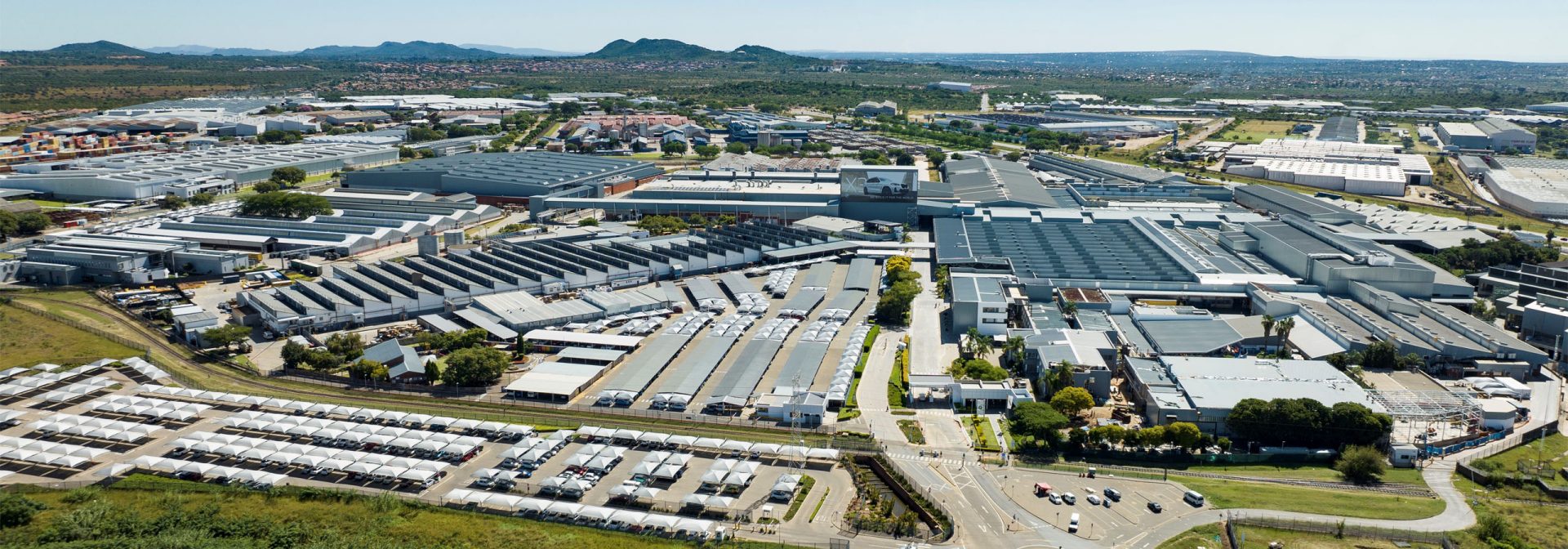
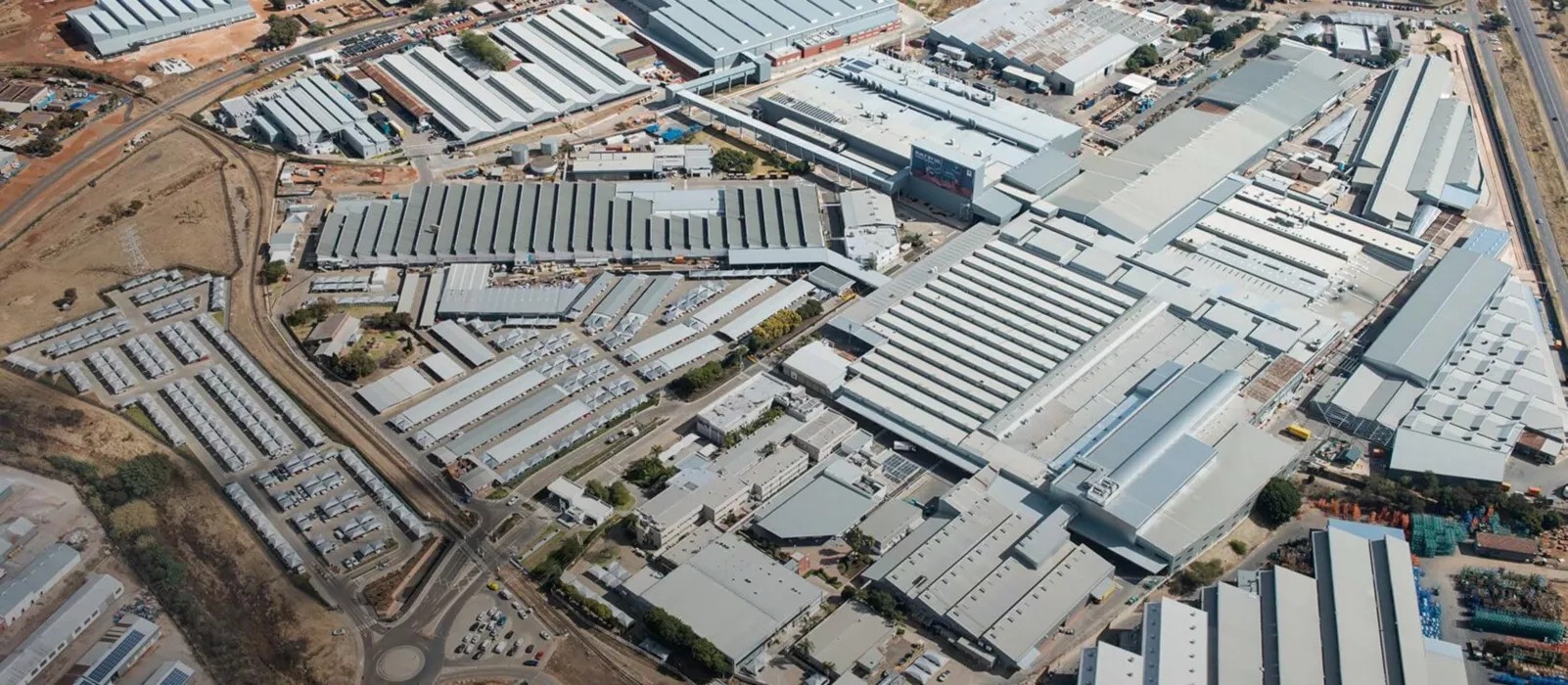
Today, Rosslyn is one of BMW’s two main factories that produce the X3 – one of its most popular cars globally – and it is also the only site with the capacity to build the PHEV units.
The upgrades necessitated a massive R4.2-billion investment from BMW to ensure that it would be able to meet demand for both the local market and over 40 export destinations.
Since 2012, the site has been running 24 hours a day with workers operating on an eight-hour, three-shift cycle.
It has a production capacity of over 76,000 per annum, 96% of which are earmarked for foreign buyers in both left-hand and right-hand-drive markets.
BMW employs over 2,000 people directly in South Africa, and thousands of other jobs are supported at various points in the local supply chain.
BMW’s factory in South Africa


Rosslyn, South Africa



 Loading ...