
South Africans are paying twice as much for cars imported from India


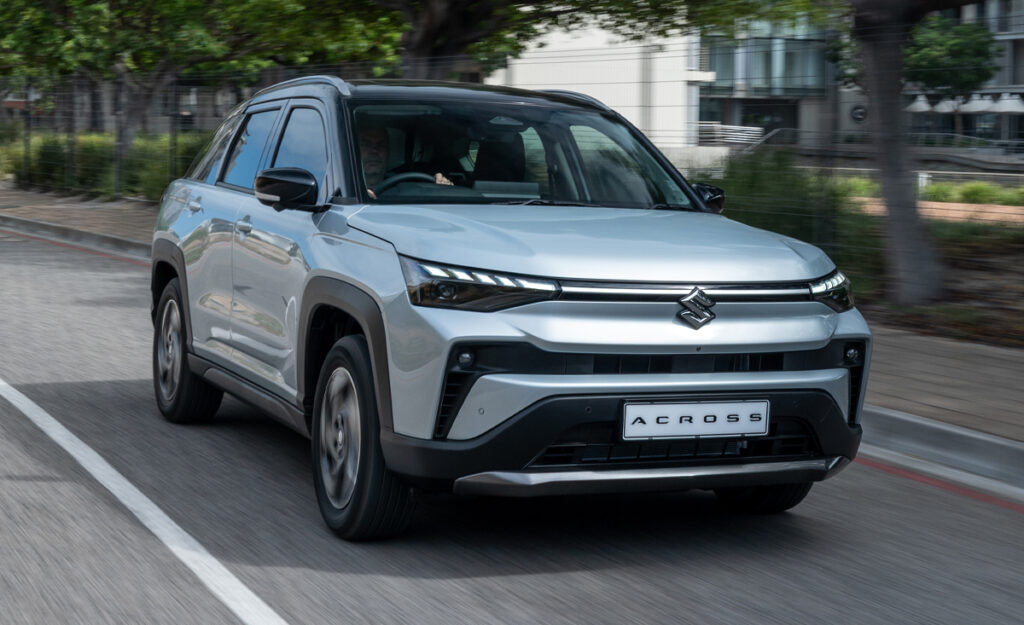
Car buyers in South Africa buying entry-level cars built in markets like India are paying as much as twice what these models sell for at home.
Despite this, India has become one of the biggest sources of imported vehicles in South Africa, with around 40% of all vehicles sold locally originating from the Asian subcontinent.
It is easy to see why this is the case, as these are some of the most affordable options in our market. However, these low prices are still much higher than what buyers are paying in India.
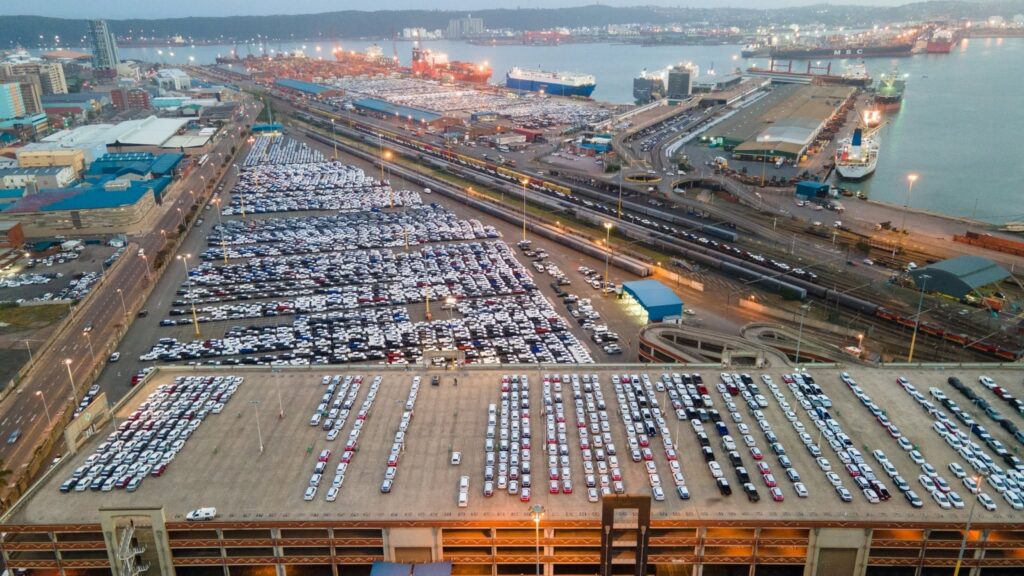
This is not surprising, as Indian cars tend to be cheaper in India than in export locations, since they avoid the costs associated with importing, including shipping fees and taxes.
These costs include 25% import duties and VAT, as well as a range of smaller costs, which include customs fees and tyre levies.
Even considering these additional costs, the gap between the cost of an Indian car there vs what it retails for in South Africa is quite substantial.
Indian carmakers are no longer the only ones manufacturing vehicles there, with several carmakers, including Suzuki and Toyota, shipping cars from plants in places like Chennai and Gujarat all over the world.
When looking at Indian pricing, South Africans may notice the “Lakh” or “L” numbering system, which represents 100,000, as the Rupee (Rs.) carries very little value – the current exchange rate with the Rand is R0.17.
Below is a list of cars built in India and sold in both their and our market, with their price differences:
Not all of these are one-to-one equivalents, as some South African models feature more equipment than their Indian counterparts.
This is one of the factors that raises the cost of locally sold models, although Indian cars also benefit from a government incentive programme for lower taxes on small cars, making them more accessible.
Unfortunately for local motorists, this is not the case here, so even the country’s entry-level offerings are more expensive than in other markets.
A massive price disparity

Suzuki, despite being a Japanese brand, imports much of its local line-up from Maruti Suzuki factories in India, especially entry-level offerings.
The brand’s local arm, Suzuki Auto South Africa, explained to TopAuto why it is not actually possible to make a direct comparison between a vehicle’s price in its country of manufacture and its retail price in another market.
“Vehicle pricing differs across global markets due to a combination of market-specific factors,” the manufacturer said.
“In South Africa, the recommended retail price of a vehicle is influenced by a range of market-specific considerations, including factors such as import duties and taxes, exchange rate fluctuations, logistics costs, and local regulatory requirements.”
The carmaker explained that the competitive landscape, and the unique needs of a particular market also inform pricing.
“As a result, vehicle pricing is determined based on the conditions and requirements of each market, rather than the manufacturing country alone,” it told TopAuto.
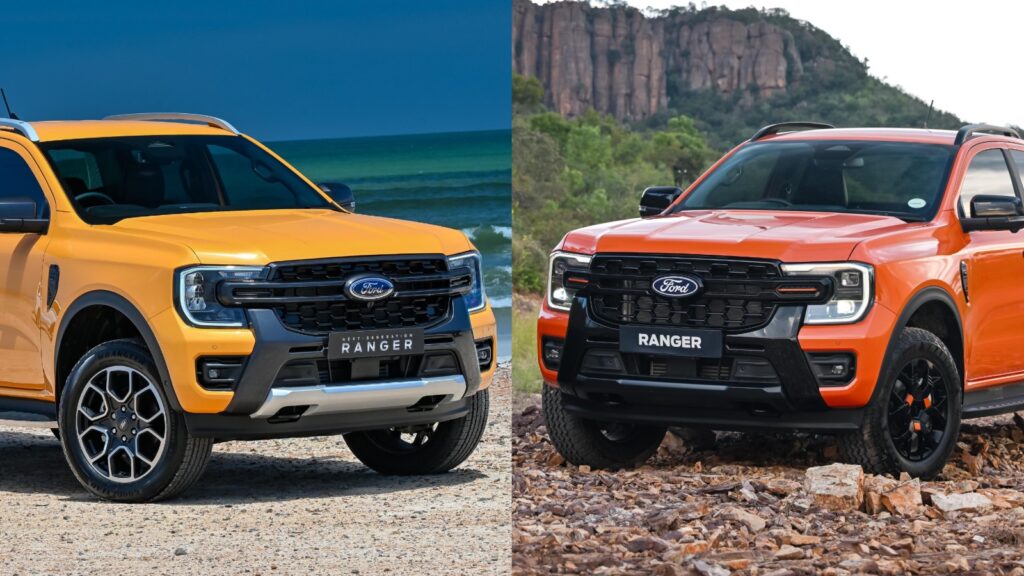
We have also reached out to Mahindra South Africa, which produces some of its vehicles locally, for comment, and will add this when received.



 Loading ...
-2026.10.webp)



-2026.10.webp)