


South African car owners are increasingly likely to sell their damaged, non-running and written-off cars rather than repair them or leave them standing.
Rising repair bills, expensive parts and a tight household budget environment are pushing owners to turn dead vehicles into cash.
This is according to Damaged Cars Wanted, a vehicle-buying service run by Johannesburg yard Lou Appel’s Auto Spares, which has noticed a rise in the number of cars ending up on its lot.
“For years, the default reaction to a serious knock or a major mechanical failure was to fix the car, whatever it cost. That is changing,” it said.
“With panel work, engine and gearbox repairs and replacement parts all more expensive than they were a few years ago, a growing number of owners are doing the maths and finding that the repair is worth more than the car.”
The buyer explained that instead of sinking money into a vehicle they may never fully trust again, owners are selling them as is.
Because repair costs have risen sharply, and insurers are writing off more vehicles after accidents and hailstorms, many households need the cash that a standing vehicle represents.
In the company’s words, a car that has been sitting in a driveway or backyard for months is cash waiting to happen, adding that there is a growing awareness that a damaged car is not worthless.
“Many people still assume a non-runner or an accident wreck has no value, so it sits and slowly deteriorates. In reality, even a badly damaged vehicle holds value in its usable parts and scrap metal,” it said.
“As more owners realise this, more of them are choosing to sell damaged cars instead of letting them rot.”
Damaged Cars Wanted said it expects the trend to continue as long as repair costs remain high.
What is driving the increase
The damaged car buyer noted that part of what is driving the increase in these vehicle sales is how much easier the process has become.
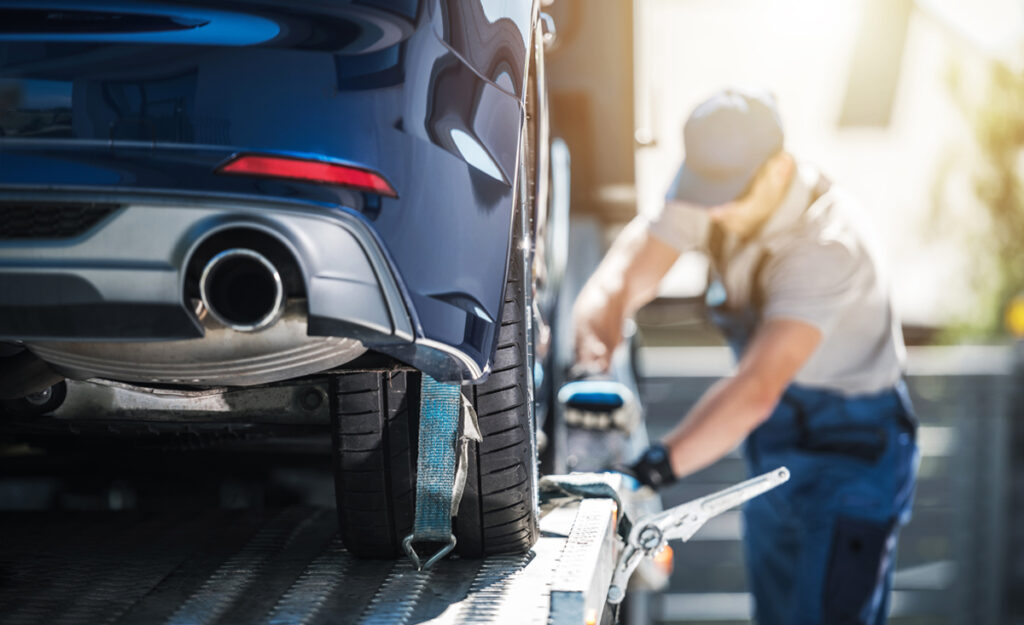
It added that selling a written-off or non-running car privately in South Africa usually leads to one of two frustrations, including a tow bill that eats into the offer, or weeks of messages from a buyer who goes quiet.
Modern scrap buying companies have become more streamlined, with many, like Damaged Cars Wanted, making obligation-free offers based on photos of the car, along with the VIN and basic details.
The increase in damaged-car sales spans nearly every category of damaged vehicles, including front-end smashes, rear hits, side impacts and rolled vehicles written off as Code 2, 3 or 4.
This also includes non-runners with seized engines, blown gearboxes, slipping clutches and failed timing chains, and even cars that have not moved in years.
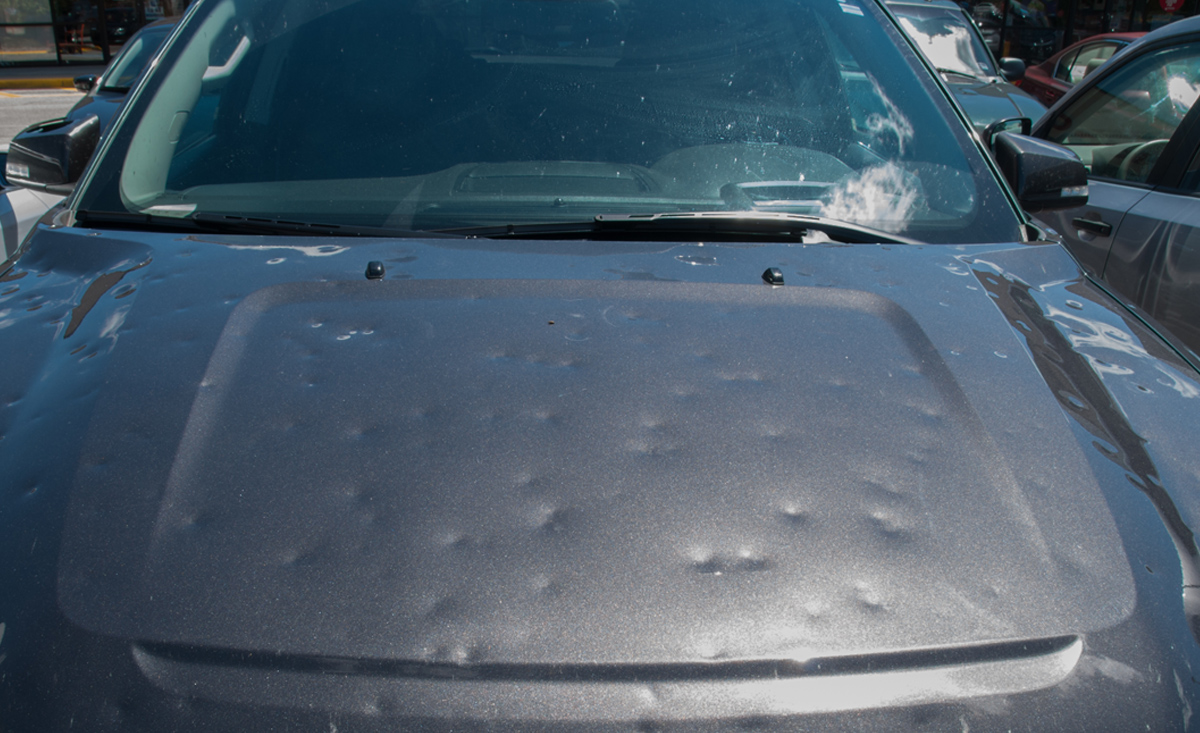
Damaged Cars Wanted explained that hail-damaged cars are a seasonal driver of the trend, with storms leaving thousands of vehicles in dented limbo each year and many insurers offering poor salvage figures.
“Flood and water-damaged cars, fire-damaged vehicles and cars with electrical faults such as dead body control modules and immobiliser failures all form part of the weekly intake,” it said.
“The common thread is owners deciding that selling makes more sense than repairing.”
The company explained that because demand for cash for scrap cars is rising, sellers are in a better position than they often assume.
“The offer comes down to the year, make, model, mileage, what is still complete on the car, what the salvage market is paying for those parts, and the cost of recovering the vehicle,” it said
As a result, a vehicle that may look like a write-off to its owner can still carry real value in a trade.


 Loading ...
-2026.10.webp)


-2026.10.webp)