
Warning for motorists with parking fines in one of South Africa’s biggest cities



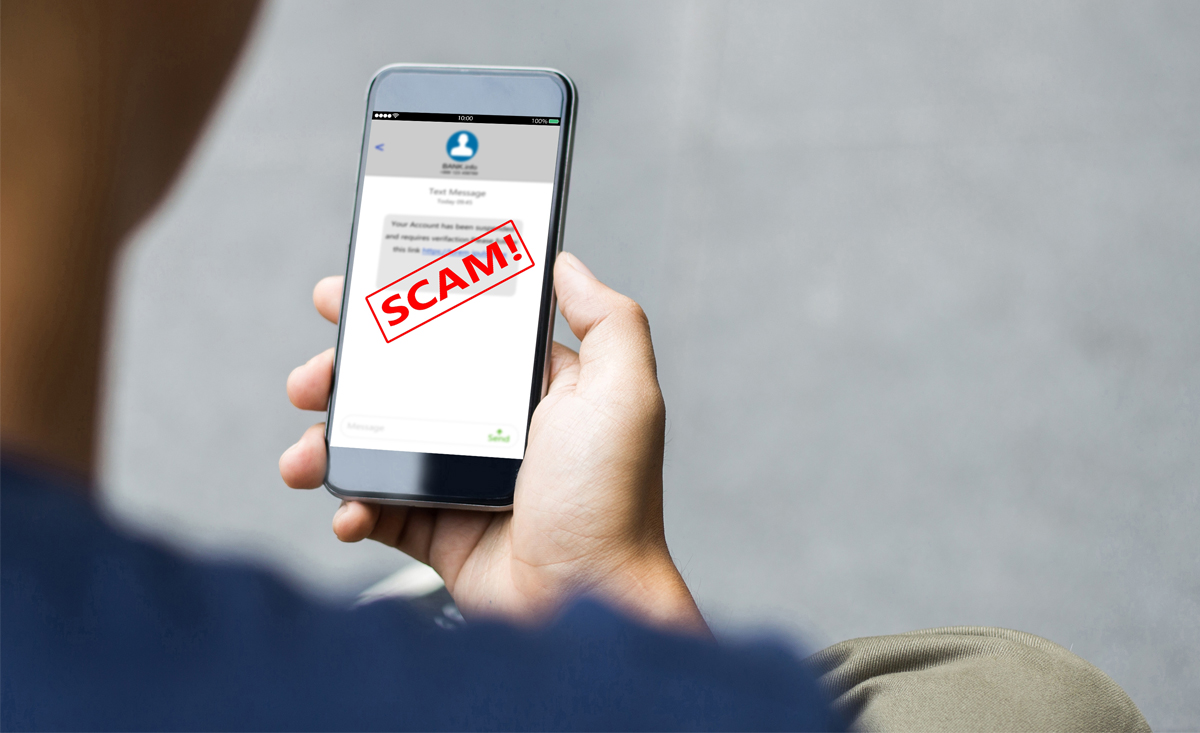
The City of Cape Town has warned motorists about a circulating scam calling on them to pay for so-called ‘unpaid parking fees’ through a link shared via SMS.
According to the City’s Urban Mobility Directorate, scammers may also use other platforms to share these harmful links, warning motorists not to fall for the scam or click on any links requesting a payment.
“Residents and visitors should remain vigilant and avoid clicking on links in unsolicited messages claiming that parking fees are outstanding,” said the City’s Mayoral Committee for Urban Mobility, Rob Quintas.
“The City does not request payment for parking fees through SMS, email, or WhatsApp messages.”
To help safeguard motorists, the City of Cape Town advised the public about the following:
- Any person receiving an SMS, email, or WhatsApp message about ‘unpaid parking fees’ should ignore the message and not click on any links.
- One of the common messages used by scammers reads: ‘Action required: Your parking fee remains unpaid. Please settle the balance immediately…’. This message is fraudulent.
- Road users should not confuse these fraudulent messages with legitimate notifications about outstanding traffic fines.
- The City sends reminders to motorists who have outstanding traffic fines registered in their names. These legitimate notifications contain a link where road users can view their outstanding fines at www.cityofctviewfines.co.za.
- Parking fees must be paid upfront to the parking marshal.
- The City does not send emails or WhatsApp and SMS messages requesting payment for parking fees.
The City noted that if anyone has concerns regarding an outstanding parking fee, or believes they have an outstanding ticket, they should not respond to the message or click on any links.
Instead, they are encouraged to contact the City’s Transport Information Centre (TIC) for assistance on 0800 65 64 63 or [email protected].
“If in doubt, contact the City directly through the Transport Information Centre for verification,” advised Quintas.
A warning for motorists
Speaking to CapeTalk, OUTA Executive Director of the Accountability Division, Stephanie Fick, explained that under the Electronic Communications Act, the Post Office can use other means of communication to issue traffic or parking fines.
“In other words, they can send you, for example, a cell phone or WhatsApp message or send you an email,” she explained.
“I think what is important is that the obligation still lies with them, and they need to make sure that you get the email or get it directly, as they can still serve it to you; that is their responsibility.”
However, it remains a motorist’s responsibility to ensure that their details are up to date with the Traffic Department.
She also warned consumers who are being inundated with spam messages and calls that fraudsters are purely after their money.
“Make sure that if someone sends you a WhatsApp message saying you have these outstanding fines, make sure that the actual link is from a reputable source,” she advised.
Communication that does come through official channels, from the Post Office for example, cannot be ignored or brushed off by motorists who then claim that they did not click on it out of fear of scams.
“You have to consider that if you receive anything through a legitimate channel, you can’t ignore it,” explained Fick.
“But if you are still in Cape Town, where there is no AARTO yet, it has to be served on you personally.”
She said motorists here cannot receive fines via email or WhatsApp, and should therefore be able to defend themselves against a contempt of court charge for missing a payment or court date.
However, these motorists may still need to defend themselves against the original charge or road traffic violation.






 Loading ...