South Africa’s biggest transport company secures R6.7 billion deal


South Africa’s state-owned transport company, Transnet, has signed a R6.7 billion deal with Westinghouse Air Brake Technologies Corporation (Wabtec), a 157-year-old American rail equipment company.
The long-term material and technical support agreement, signed between Wabtec and Transnet Engineering, will see the American company provide support for Transnet’s Class D43 and D44 locomotives.
The 10-year deal is expected to enhance the availability and reliability of the railroad’s locomotive fleet.
“This agreement supports our Reinvent for Growth strategy and represents an important step in improving the performance of our locomotive fleet,” said Transnet Engineering Chief Executive Bessie Mabunda.
“The D43 and D44 locomotives serve critical freight corridors that move export commodities, containers and general freight across South Africa.”
She added that strengthening their reliability and availability will help improve service delivery, support freight recovery and enhance the country’s logistics competitiveness.
Under the agreement, Wabtec will provide Transnet with components, technical expertise and predictive maintenance capabilities, including its digital condition monitoring platform, Expert-on-Alert.
According to the American company, these solutions will help improve locomotive performance, accelerate maintenance turnaround times, and strengthen Transnet’s fleet lifecycle management.
“Transnet is making strategic investments to strengthen the reliability, efficiency and long-term performance of its rail network,” said Sameer Gaur, President of Wabtec’s Global Freight Services.
“This agreement builds on our shared commitment to improving fleet availability, enhancing customer confidence and creating a more competitive freight logistics network that supports trade and industrialisation.”
The working relationship between Wabtec and Transnet Engineering will extend beyond maintenance support to include technical collaboration, knowledge transfer, and localisation initiatives.
These efforts are aimed at developing local rail industry skills, strengthening local capabilities, and supporting the long-term growth of South Africa’s rail sector.
Transnet deals with the private sector
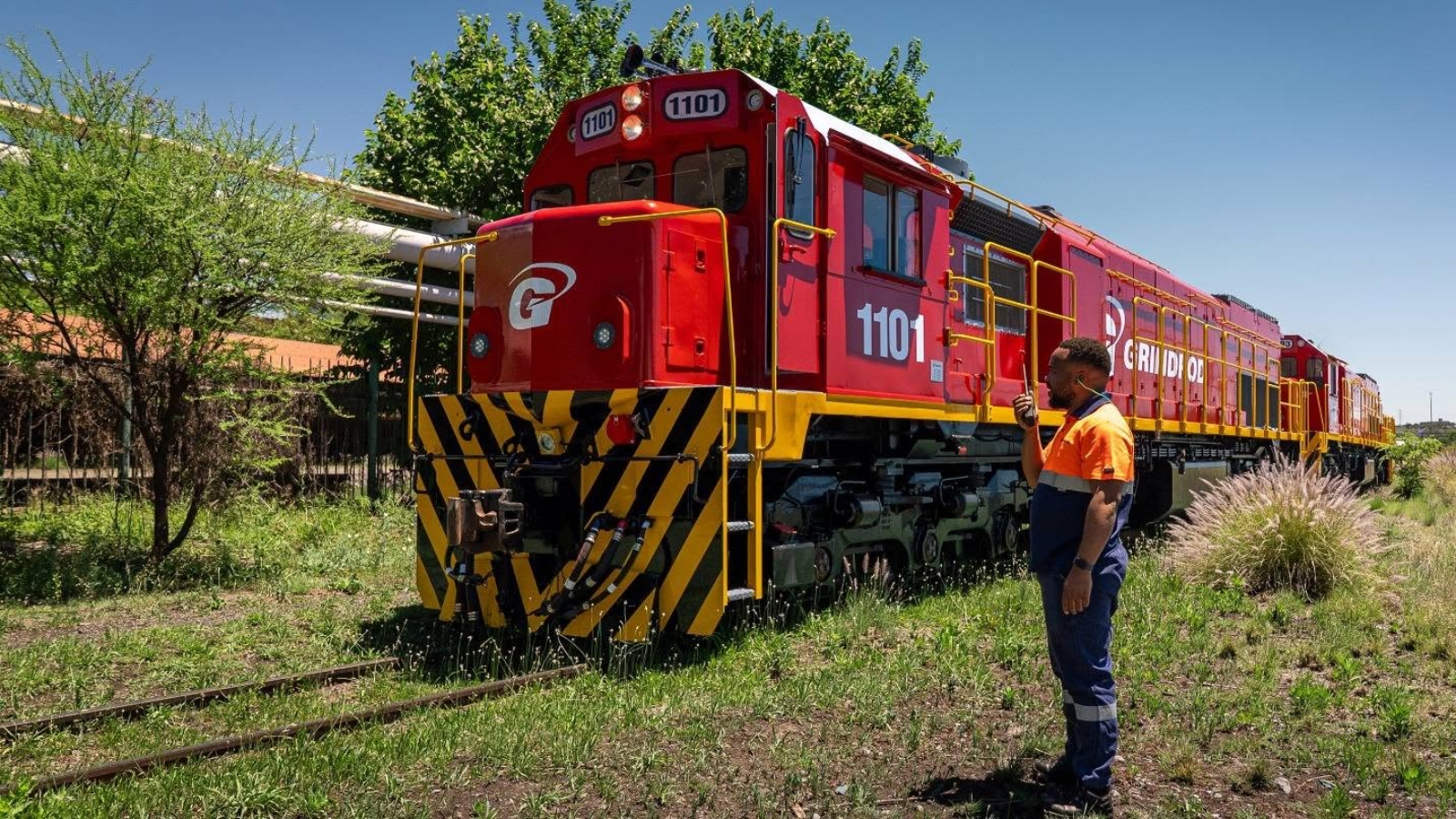
In 2022, Transnet announced that it would open its railway lines to private rail operators, naming the chosen 12 operators, including Grindrod, earlier this year.
The private rail operator became the first private company to operate a train on South Africa’s national freight rail network under the country’s new open-access framework.
Alongside the Transnet Rail Infrastructure Manager (TRIM), it completed a test train on the North-East Corridor earlier this month, travelling empty from Komatipoort and returning with 2,991 tonnes of cargo.
Following the test run, Grindrod plans to begin commercial operations in 2027 and will move 288,000 tonnes of cargo in its first year.
Transnet allocated the company two slots on the North-East Corridor, allowing it to primarily transport coal from Mpumalanga to its Matola Terminal in Mozambique.
This partnership also allows Grindrod to integrate rail operations more closely with its existing port and terminal infrastructure.
Allowing the private rail operator to use its own trains on the national network could improve the efficiency and reliability of its supply chain services.
Following the test run, Grindrod Group CEO Kwazi Mabaso explained that the milestone demonstrated the practical benefits of rail reform.
“As an integrated logistics provider, the ability to combine rail operations with our terminal infrastructure and corridor footprint enables us to deliver greater efficiency, reliability and value to our customers,” he said.
Transnet said it views the test as evidence that its open-access policy is moving beyond planning and into operation.
TRIM chief executive Moshe Motlohi said the successful test train was a landmark achievement for South Africa’s rail reform programme, adding that it demonstrated open access is no longer merely a policy concept.
He explained that the collaboration with private operators would help create a more competitive and efficient rail network.
The test train also demonstrates how private operators can help improve network utilisation and move more freight by rail.




 Loading ...