This is how much petrol you’re allowed to keep at home in South Africa


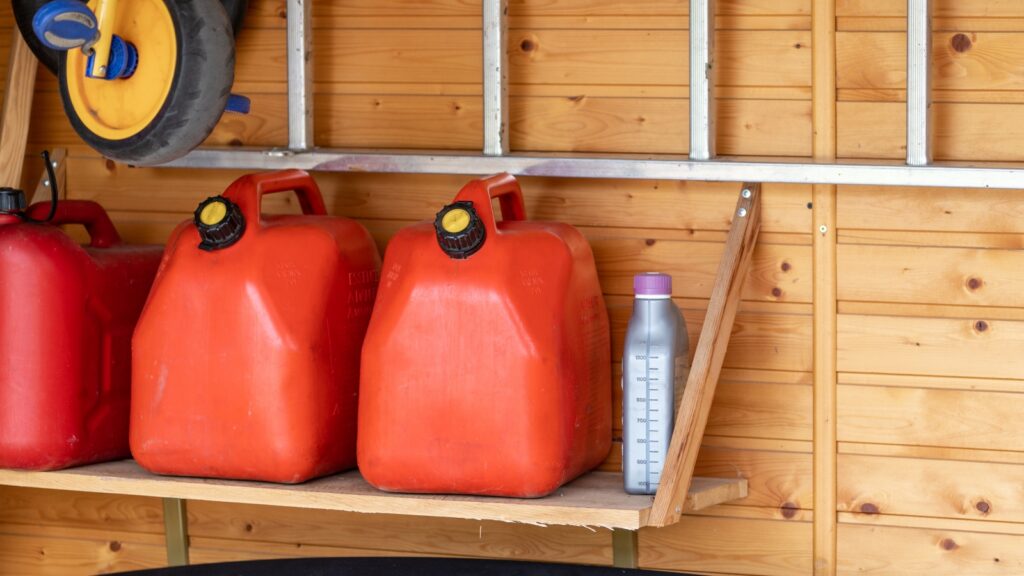
With South Africa’s immediate fuel outlook looking uncertain at best, motorists are once again flocking to stock up on fuel amid fears over petrol and diesel shortages.
During the last fuel supply crunch, earlier this year, due to US strikes on Iran, the Department of Mineral and Petroleum Resources and the Fuels Industry Association warned motorists not to panic-buy fuel.
However, many South Africans will still feel the need to build up reserves in preparation for another potential shortage, but knowing how much can be stored and how to do so safely is crucial.
Alongside the DMPR and FIASA, the South African Insurance Association (SAIA) has noted that storing petrol at home can have serious safety, environmental, and insurance risks.
SAIA explained that petrol is classified as a hazardous substance under occupational and fire safety legislation, with the serious risk of fire or explosion.
Petrol vapours also pose several health hazards, while spills can contaminate soil and water sources, and cause significant environmental damage.
According to SAIA, municipal by-laws limit how much fuel South Africans are allowed to store, with regulations on petrol storage at residential properties enforced locally by municipalities.
It said that most municipalities allow only 20 to 25 litres of fuel in approved containers to be stored at a time, with this fuel used for common tools like lawn mowers or for limited emergency purposes.
Storing more than the local limits could constitute a breach of fire safety regulations and even hazardous substances legislation.
Petrol purchased from retail service stations must be transported in strict accordance with the National Road Traffic Act, and SANS 10231 standards.
“Only approved and certified containers, such as metal jerry cans, or those marked UN, ASTM, or AS, may be used,” said SAIA.
“Failing to comply with these requirements may result in legal action by law enforcement.”
Storing fuel at home becomes an insurance risk

SAIA explained that insurers do not cover losses arising from illegal or non-compliant activities.
It added that large quantities of fuel on a residential property could significantly raise the fire risk, accelerate the spread and intensity of a fire, and even be considered contributory negligence in the event of a claim.
This includes a scenario where the fire starts in another part of the home, as the presence of petrol can increase the risk of damage and lead to a claim being rejected.
SAIA encouraged consumers to contact their insurers for more information and to review their insurance policies before storing any amount of fuel in their personal capacity.
If small quantities are needed, SAIA said that consumers should follow municipal rules and the following safety procedures:
- Store fuel in a secure, well-ventilated area;
- Never store petrol inside the house or in living areas;
- Use only certified storage containers;
- Keep fuel away from heat, sparks, electrical equipment, or open flames;
- Label containers clearly with the fuel type and “Flammable” warnings;
- Ensure no smoking near storage or dispensing areas;
- Keep a fire extinguisher close by;
- Use proper equipment to prevent static discharge during transfers;
- Keep a spill response kit on hand;
- Use bunded areas or drip trays to contain leaks;
- Never start a siphon with your mouth—use a pump or hose;
- Avoid using mobile phones while refuelling; and
- Keep fuel out of reach of children and uninformed people.
That being said, considering the potential risk to homeowners, SAIA advised that petrol should not be stored at one’s premises at all.






 Loading ...