


South African motorists are paying 26% more for petrol than they did at the start of the year, with prices rising by R6.17 per litre during that period.
This is according to the latest Competition Commission Cost of Living (COL) Report, which highlighted sustained pressure on household budgets.
The pressure is the result of electricity, water, petrol, transport, healthcare and communication costs rising faster than overall inflation.
According to the commission’s analysis, despite price pressures differing across different categories, essential expenditure continues to place significant pressure on household affordability.
The biggest reason for this is skyrocketing petrol prices, which affect the entire financial ecosystem, as nearly every industry relies on fuel at some operational level.
“Petrol prices increased by 26% between January and July 2026, driven largely by global pressures linked to the Middle East conflict,” found the Competition Commission.
It also found that these higher fuel and transport costs have increased production, logistics and distribution costs across the economy, adding upward pressure on the prices of basic goods.
“This is reflected in several food markets. In some markets, however, producer or retail price increases to historic highs raise concerns that these increases are not cost-reflective and may not decrease when fuel prices normalise,” the commission said.
One major cause for concern for the Competition Commission is rising minibus taxi fares, which are directly affected by the price of petrol.
The commission found that over the same period that petrol prices increased by 26%, taxi fares were hiked by 13%.
This has raised concerns that commuters may continue to face higher costs even if petrol prices decline, as taxi fares generally do not adjust downwards.
The Motor Industry Staff Association (MISA) has warned that South Africa’s workers are being driven below the survival line by fuel price hikes that official inflation figures fail to capture.
“Every gain a worker has made in wage increases in recent years has been quietly absorbed by the pump, the prepaid electricity meter and the till,” said Martlé Keyter, CEO of Operations at MISA.
“Families are choosing between transport to work, electricity at home and food on the table, and there is no version of that choice that does not cost them something.”
R500 more expensive to fill up
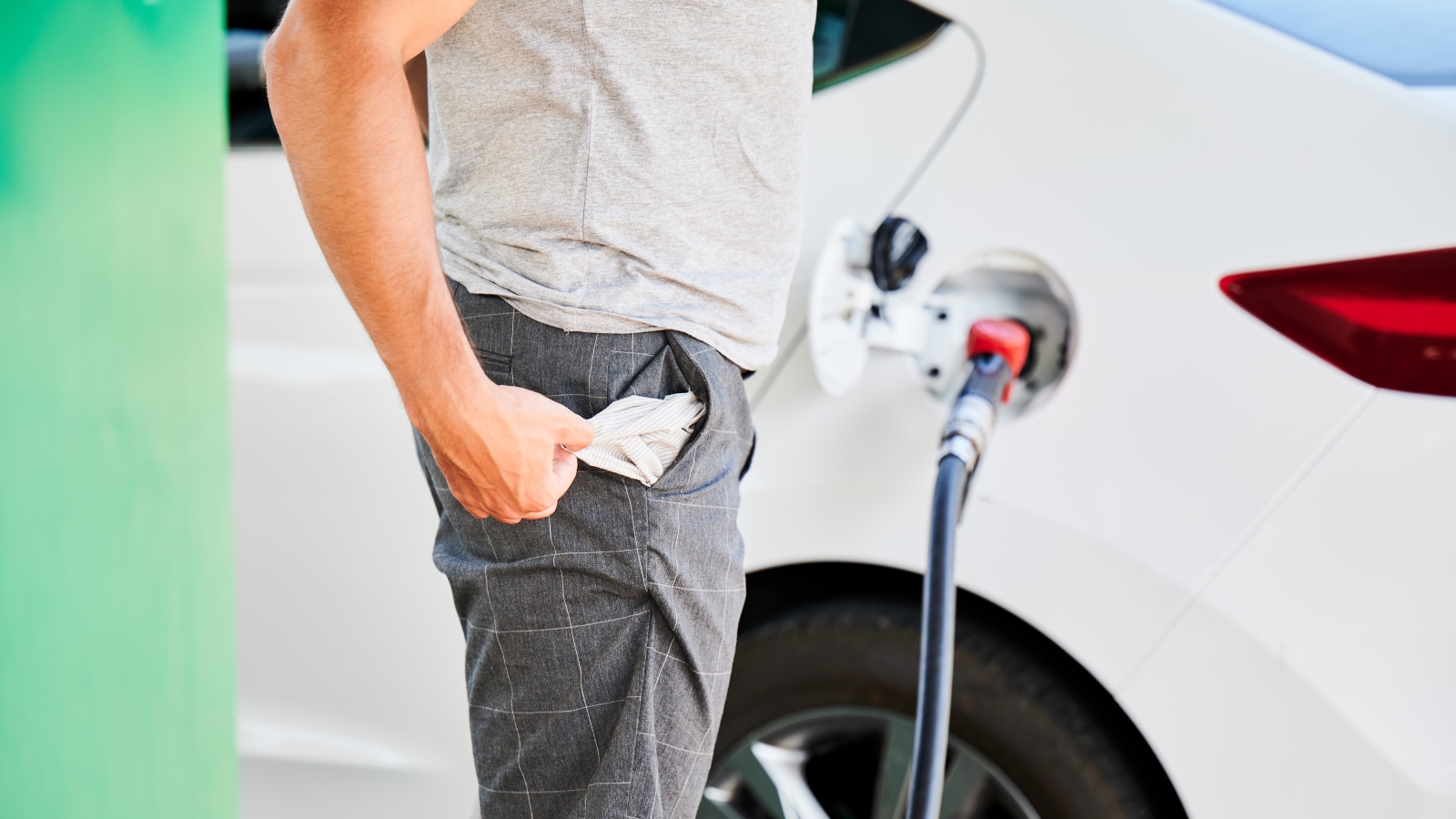
Some South Africans are paying as much as R500 more per tank than at the start of the year following regular drastic fuel price increases.
In January, inland motorists paid R20.75 per litre for 95-octane petrol – the lowest price recorded since 2022 – and even dropped by a further 65c per litre in February.
This is where the good news ended, as late in February, the United States and Israel launched joint military strikes against Iran.
These strikes immediately affected global oil prices, with Brent crude oil prices increasing from around $70 per barrel to over $110 per barrel by the end of March.
Oil prices recovered throughout June and July, leading to petrol price cuts in July and August, but prices are still much higher than before the war broke out.
Following another round of strikes between the warring nations, oil prices have climbed once again, as the Strait of Hormuz remains closed to most tankers.
As a result, petrol prices rose once more in September, meaning South African motorists are spending significantly more to fill their cars this month than in January.
Below is a breakdown of how much more motorists with vehicles of various sizes are paying to refuel in September.
| Tank size | Cost to refill in January 2026 (R20.75/l) | Cost to refill in September 2026 (R26.92/l) | Difference |
|---|---|---|---|
| 30 litres | R622.50 | R807.60 | +R185.10 |
| 40 litres | R830.00 | R1,076.80 | +R246.80 |
| 50 litres | R1,037.50 | R1,360.00 | +R322.50 |
| 60 litres | R1,245.00 | R1,615.20 | +R370.20 |
| 70 litres | R1,452.50 | R1,884.40 | +R431.90 |
| 80 litres | R1,660.00 | R2,153.60 | +R493.60 |
As a result of sustained petrol price increases in 2026, some motorists are paying nearly R500 more to fill up an 80-litre tank.
This may get even worse, as recent data from the Central Energy Fund (CEF) indicates that petrol will increase again in October.


 Loading ...
Conversation
2 commentsThe most frustrating thing about this it is pure premeditated crime, the WEF/UN has so many times outlined their mandates to reach Agenda2030 goals, and one of them is to make it unaffordable to drive a gasoline or diesel car. And the complicit politicians like the Traitor, Ramaphosa are bringing this plan in via the back door. The prices are inflated for devious activity, yet nobody seems to connect the dots. What is wrong with people?