


Ride-hailing, or e-hailing, has become such a popular mobility choice in South Africa that commuters spend tens of billions of rands each year on services like Uber, Bolt, and Wanatu.
According to the IMARC Group, a leading market research company, the South African ride-hailing sector reached R20 billion in 2025 and is on track to reach R50 billion by 2034.
“The market growth is steady, fueled by rising urbanisation and a move towards digital mobility solutions,” it said.
“As flexible transport demand continues to grow, the industry keeps changing, impacting the South African ride-hailing market share.”
The group found that the need for convenient mobility is driving a market growth rate of 10.72% every year.
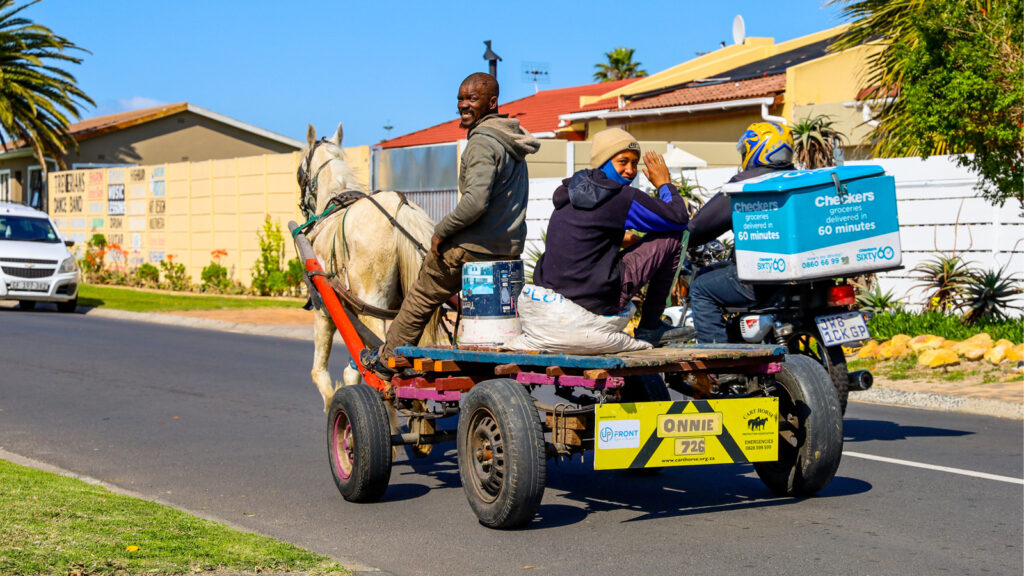
It also highlighted that motorbike services are highly sought after because they can traverse crowded streets effectively, though they are more common with on-demand takeaway or grocery services.
One main driver for the uptake in e-mobility is that conventional public transport tends to lag behind commuters’ demands.
“Ride-hailing services represent an on-demand, affordable alternative that has strong appeal among younger, more technology-oriented city residents,” said IMARC.
“It is fueled by increased smartphone penetration and broader access to mobile internet, facilitating convenient app-based bookings for rides.”
According to the group, the South African Department of Transport emphasised in March 2024 that urban mobility programmes led more people to use digital platforms for transportation.
This was particularly true in larger cities like Johannesburg and Cape Town, where commuters were changing their travel habits and concentrating on convenience, security, and time savings.
IMARC found that government initiatives to improve transport infrastructure and update urban mobility systems add to the ride-hailing industry’s growth.
“Together, these elements provide a robust platform for consistent South Africa ride-hailing market growth, as changing urban realities persist in shaping transport needs throughout the nation,” it said.
Regulating South Africa’s e-hailing sector

In its findings, IMARC noted that South Africa’s ride-hailing legal and regulatory landscape is adapting to provide safer, more dependable services to passengers and drivers alike.
It said that policymakers are aiming to develop clear, consistent rules that allow for innovation while safeguarding customer rights.
“This involves enforcing standardised background screening of drivers, vehicle testing, and rules for resolving complaints,” it noted.
“These practices instil public confidence and promote broader use of ride-hailing services.”
The regulations it highlighted are likely related to the National Land Transport Amendment (NLTA) Act, which was proposed and implemented to standardise the industry.
This legislation will allow e-hailing drivers to receive official e-hailing operating licences rather than the current system, where they must use charter permits and meter taxi operating licences.
Part of this new system requires e-hailing operators to identify themselves as such, whether that be with a sign or branding that they are an e-hailing vehicle.
Their licences and operating permits also indicate which geographic area they are approved to operate in.
Beyond the vehicles, e-hailing drivers are also vetted and subject to criminal record checks under the new regulations.
IMARC added that the government is also working closely with industry participants to evolve regulations that stay ahead of fast-paced technological development and market expansion.
“The changing regulatory landscape not only improves security but also delivers operational certainty for service providers, allowing for sustainable business operations,” it said.
“Therefore, regulatory advancements are important to creating long-term stability and confidence in the industry.”
The group noted that the South African ride-hailing market is benefiting from these trends.
It added that they harmonise innovation with prudent regulation, setting the market up for continued growth and enhanced service quality in the future.




 Loading ...
Conversation
1 commentsAnd the taxis can do what they want to killing e-hailing drivers harassing people in their private vehicles etc. And totally disobey traffic laws.