South Africa’s electric car owners are laughing all the way home


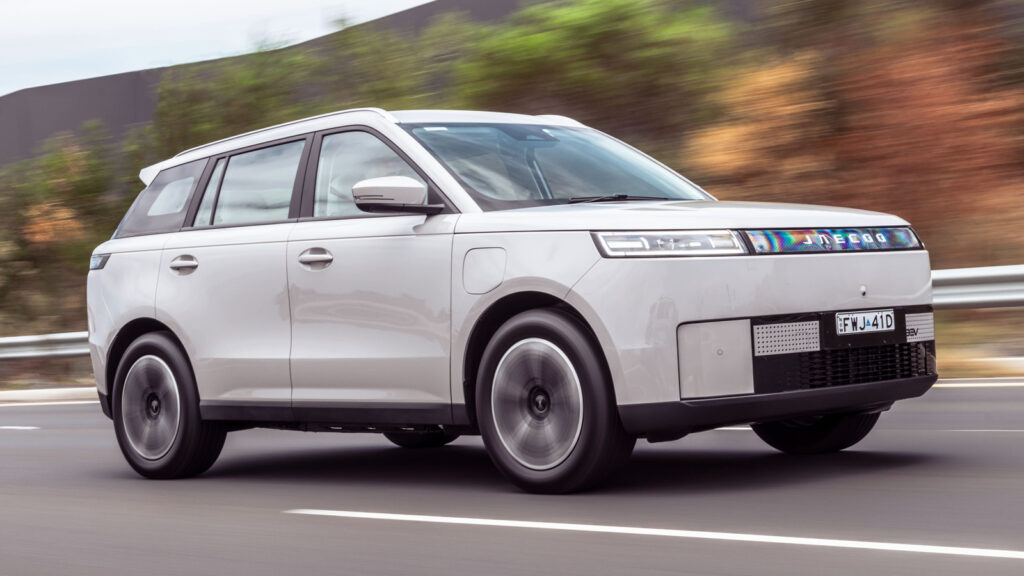
A recent global survey revealed that South African battery electric vehicle (EV) drivers are among the most satisfied in the world, mostly thanks to low energy costs compared with record-high petrol prices.
The 2026 Global EV Driver Survey, released by the Global EV Alliance (GEVA), captured respondents from 34 countries across all continents and found South Africans among the happiest.
Around 91% of local respondents said they are “very satisfied” with EV ownership, compared to a global average of around 88%, putting South Africa in line with Australia, the Netherlands, and the US.
Nearly 9 in 10 surveyed South African drivers also said that their next car would also be an EV.
The South African Electric Mobility Association (SAEMA) welcomed the results, saying they give a clear view of how South African drivers use their EVs, and how their experience compares with more mature markets.
“The message from South African drivers is clear. When people drive electric, they do not want to go back to petrol or diesel,” said SAEMA.
According to the survey, 82% of respondents named lower energy costs as a main reason to buy an EV, compared to a global figure of 48%, while only 8% of South African drivers named climate benefits as a main reason.
Lower maintenance costs also played a more important role among 32% of South African respondents than the global benchmark of 24%.
Of all the reasons local EV buyers made the switch, fuel prices had the strongest effect, with about 94% of respondents agreeing that higher fuel prices made the shift to EVs faster.
On top of this, two in three, or 67%, South African EV drivers have solar panels at home, against 48% globally.
The South African Electric Mobility Association explained that local EV buyers are making the switch “because the numbers make sense”.
“Fuel is expensive, and an EV costs less to run and to maintain. First movers also charge with solar energy as needed. This gives them more control over their energy cost,” it said.
South Africa is still behind
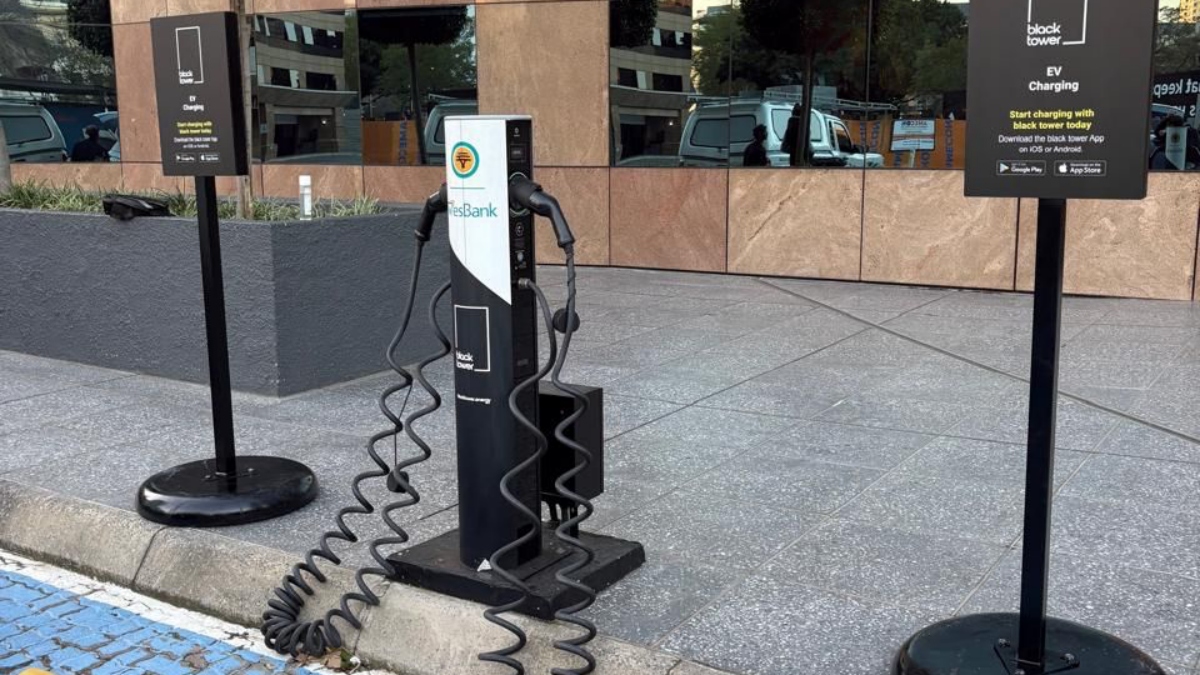
Survey respondents highlighted that the technology is not the problem, but that there is a need for more emphasis on technical regulations for vehicles, specifically fuel efficiency standards, and charging infrastructure.
More than 70% of respondents said the biggest barrier to EV adoption in South Africa is the lack of charging sites along highways.
On top of this, nearly half of South African drivers said that fast charger coverage on highways needs improving, with one in four reporting that local fast chargers are often out of order.
These concerns change how local EV owners drive, with 29% of local drivers reporting frequent range anxiety, against 11% globally.
“Our EV drivers charge at home with no difficulty. When they leave the city, the experience varies,” added SAEMA.
“Reliable highway charging is the fastest way to make the EV the only car in the household.”
Other concerns hindering local EV adoption include myths about electric cars, which 49% of South African drivers reported, alongside 78% still believing that EV batteries do not last.
A vast majority of local respondents want the government to act, with about 80% agreeing that policy measures are necessary to increase EV sales.
About 72% also agree that the government must require vehicle manufacturers to sell a larger share of EVs in South Africa.
“South African drivers are ready. The automotive policy and regulatory framework must catch up,” said SAEMA.
“We need more EV models across all brands, manufactured locally, a pre-owned EV market that people can trust, and expanded charging along our national routes.”





 Loading ...